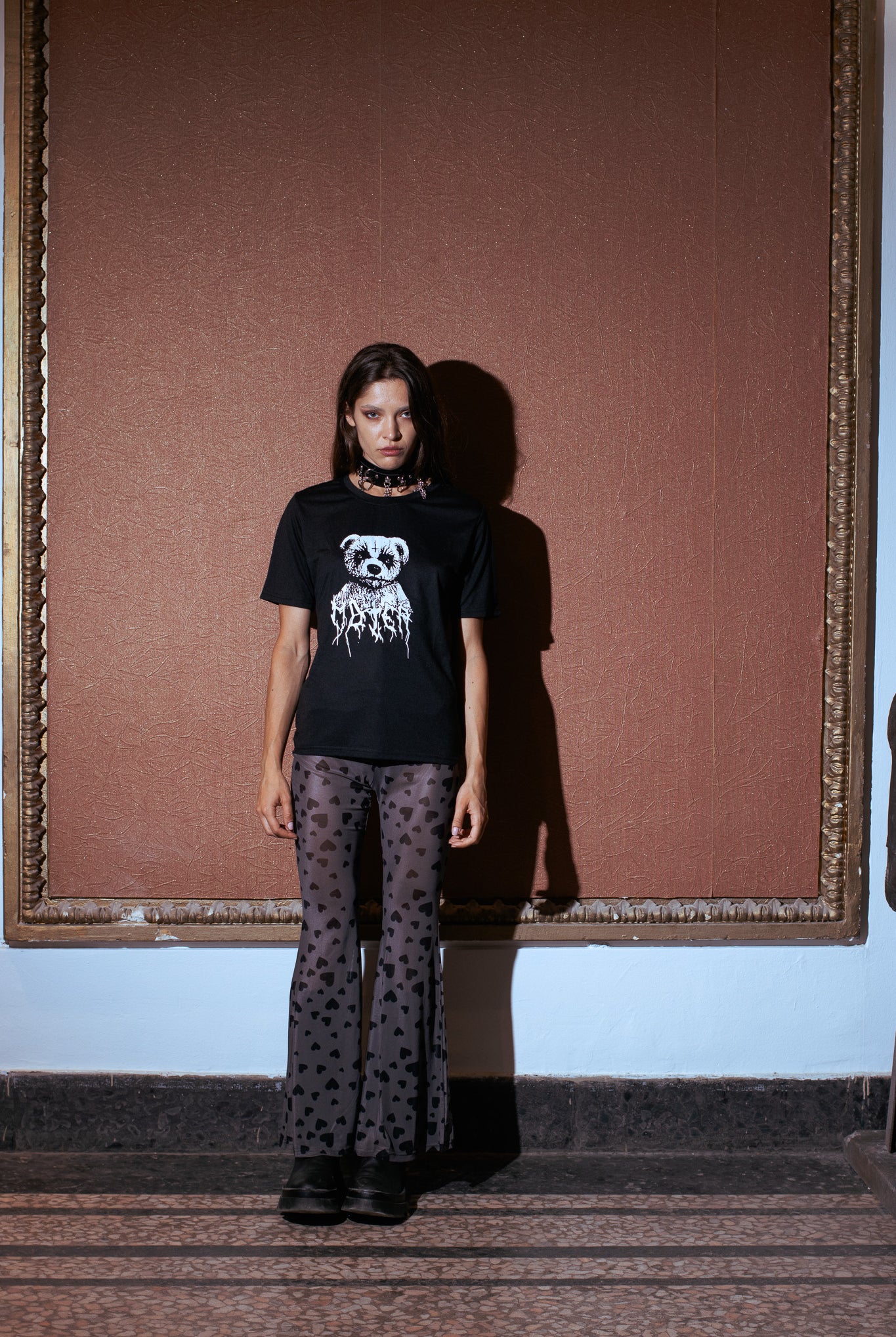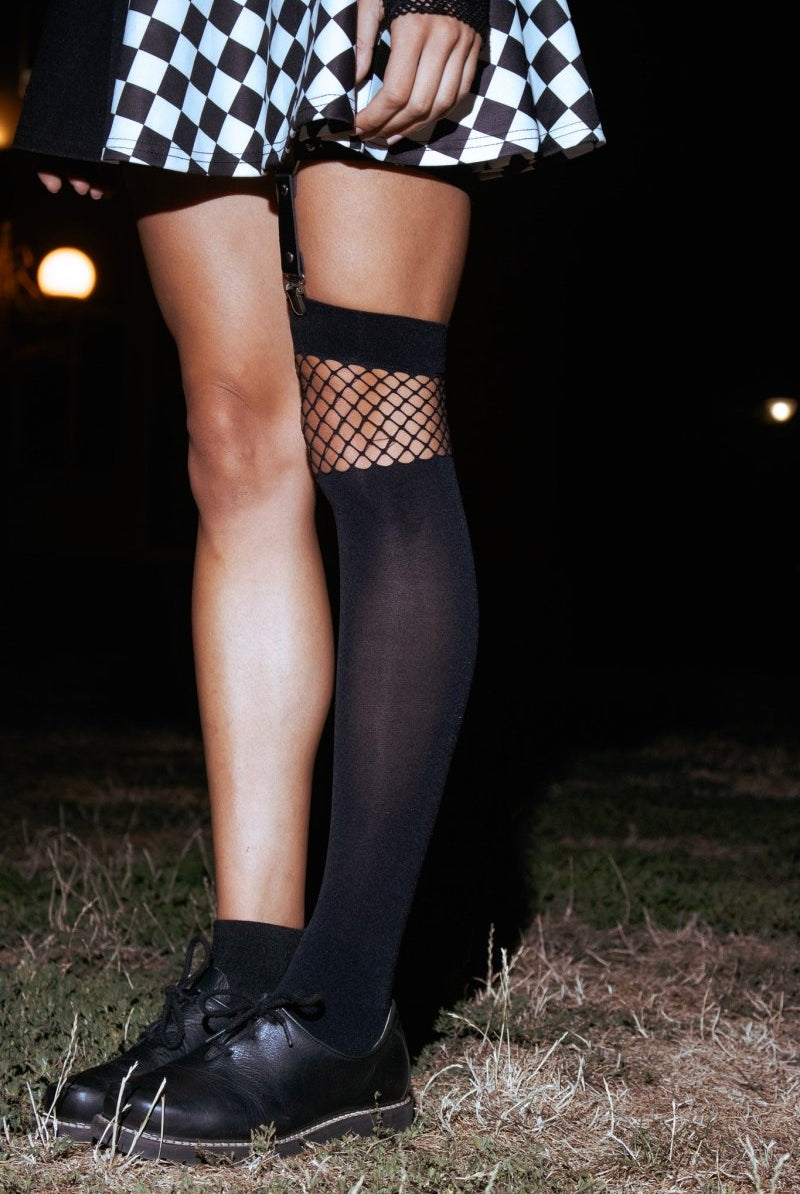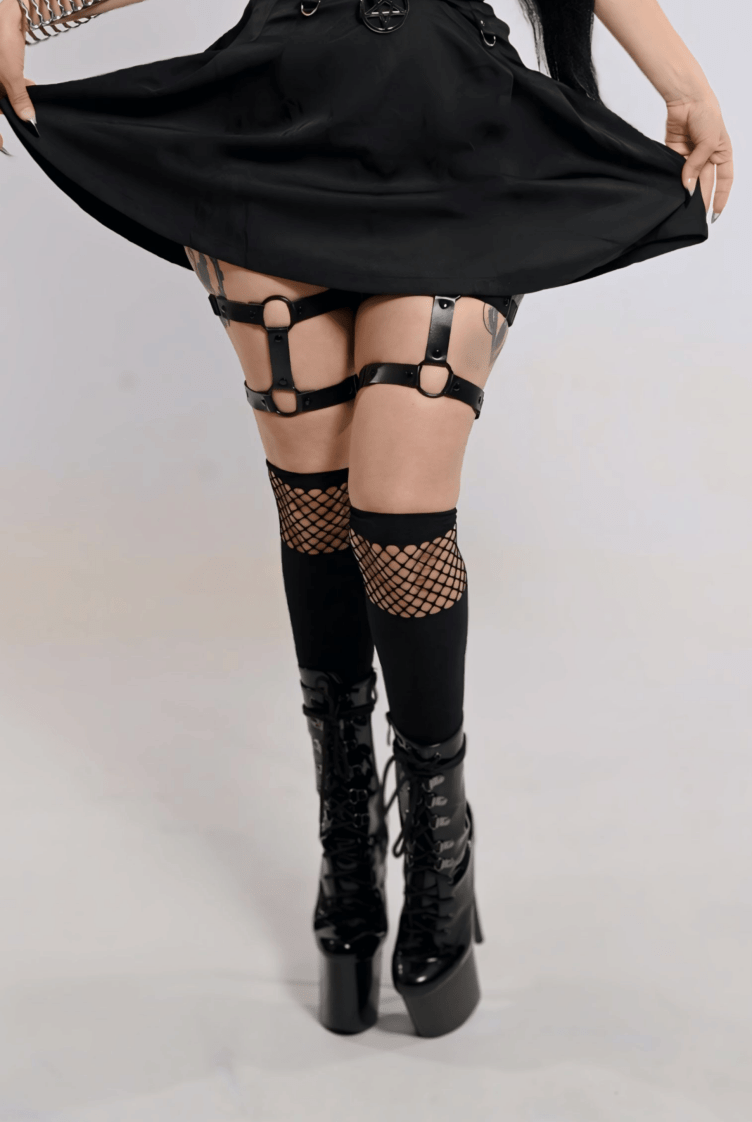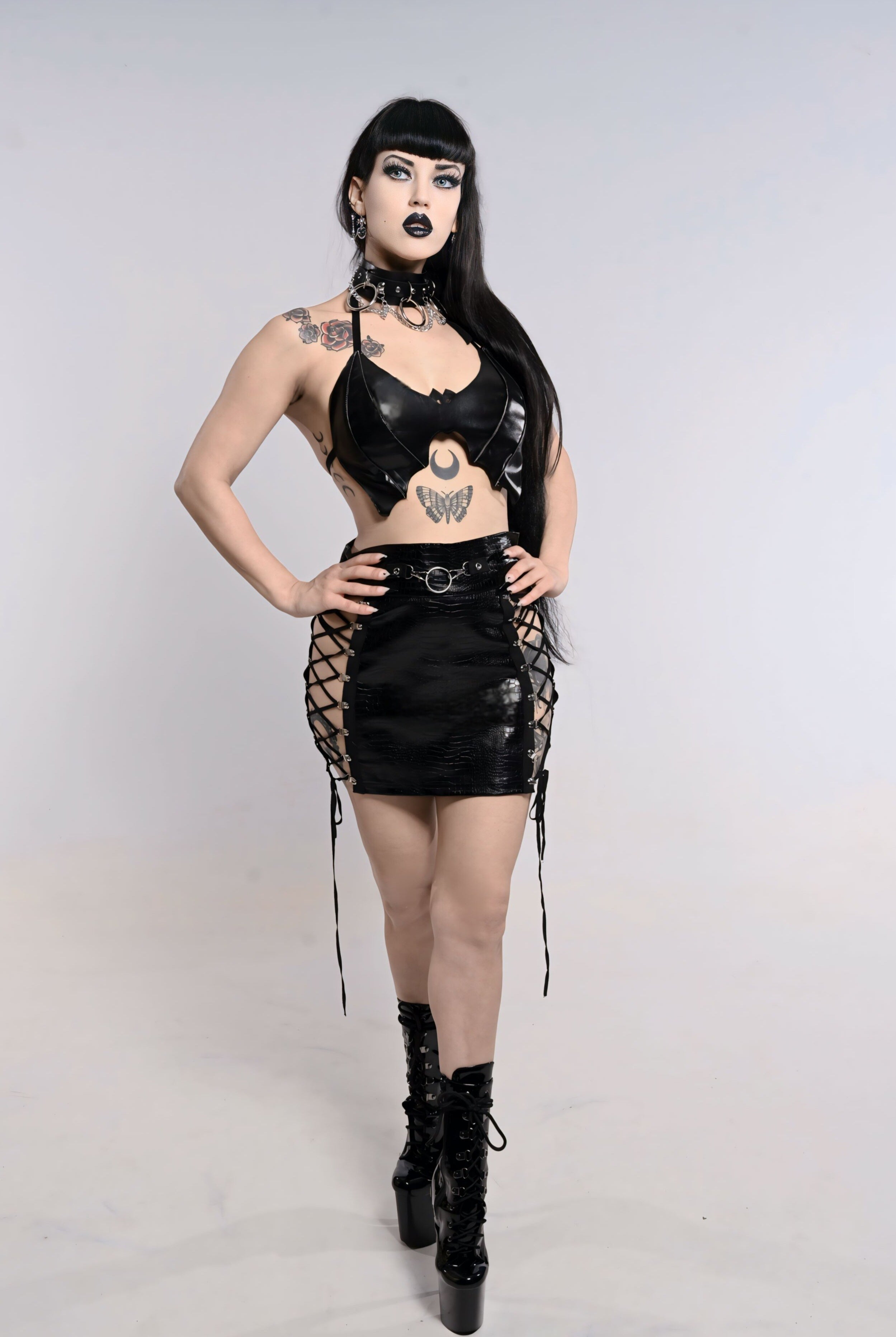

The best goth boots for women in 2026 are Demonia for affordable platforms, Dr. Martens for everyday durability, New Rock for investment-grade leather, and KOI Footwear for a fully vegan independent option. Which brand you pick depends almost entirely on which aesthetic world you're building, and that is exactly what this guide maps out.
Getting the boots wrong undermines everything else. You can have the perfect gothic romance dress, the right jewellery, the layered corset and the lace gloves, and a pair of poorly chosen boots collapses the whole look into costume. The community has learned this through expensive mistakes, and the mainstream alt-footwear market has not made it easy. Mass-alt brands that used to be trusted have drifted: quality dropped, ownership changed, and the community migrated its recommendations accordingly. This guide reflects where those recommendations have landed.
The Cursed Closet does sell boots, at the affordable end: 23 pairs between $31 and $94, in the platform, ankle and lace-up styles that go with the rest of what we carry. They are in our goth boots collection. What we do not do is compete with New Rock on a $300 investment boot, and this guide is written on that basis. The brands below are ranked on aesthetic and community trust rather than on what we happen to stock, and where another brand is the right answer we say so. We also sell the rest of the outfit, which is why customers ask us constantly what goes on their feet before they add our gothic dresses and corsets to their basket. Consider this the foundation layer of the look.
Key Takeaways
- Demonia is the community consensus for affordable platforms (roughly $50-$150); wide-calf options available.
- Dr. Martens is the everyday-wearable standard, with a genuine vegan line and proven durability.
- New Rock is the investment boot ($200-$400+) for trad-goth and Victorian aesthetics.
- KOI Footwear is the standout fully vegan independent brand at accessible price points.
- Every major goth sub-aesthetic (whimsigoth, gothic romance, dark academia, corporate goth) calls for a different boot silhouette, mapped below.
What Makes a Boot Actually Goth (Not Just Black)
Not every black boot is a goth boot. The distinction is hardware, sole profile, heel shape, and the subcultural lineage the design carries. Getting fluent in these signals means you stop buying boots that look vaguely dark and start buying boots that read correctly within the aesthetic you have chosen.
Platform Boots
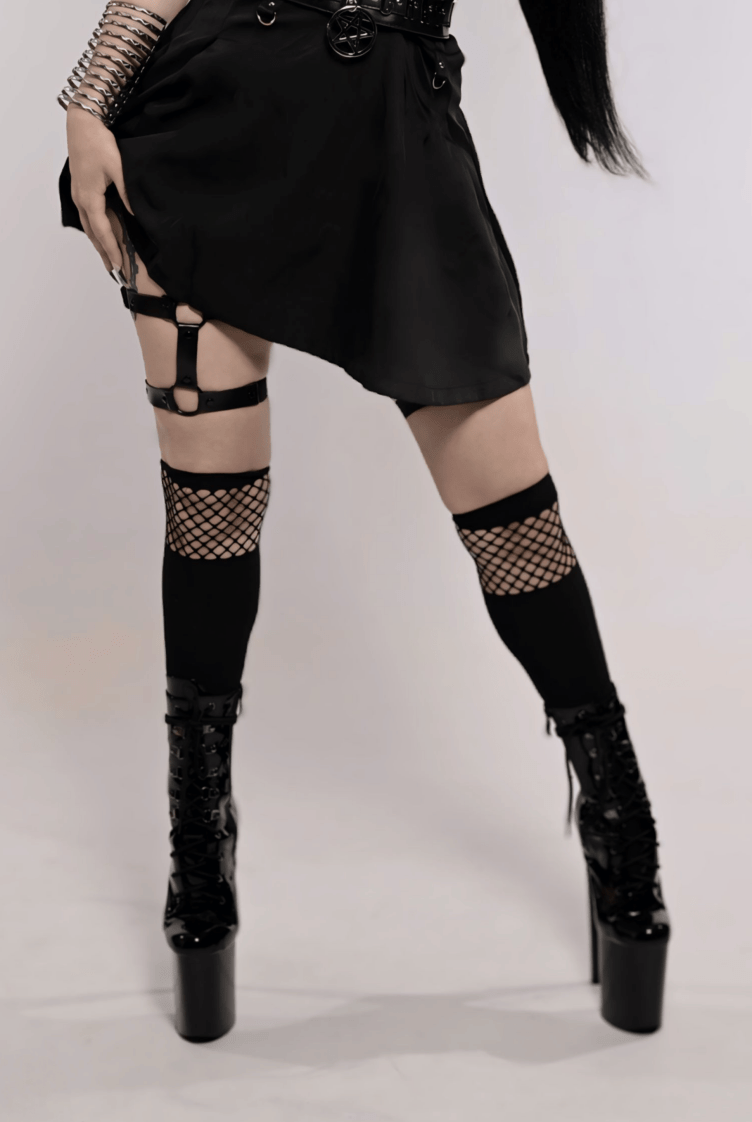
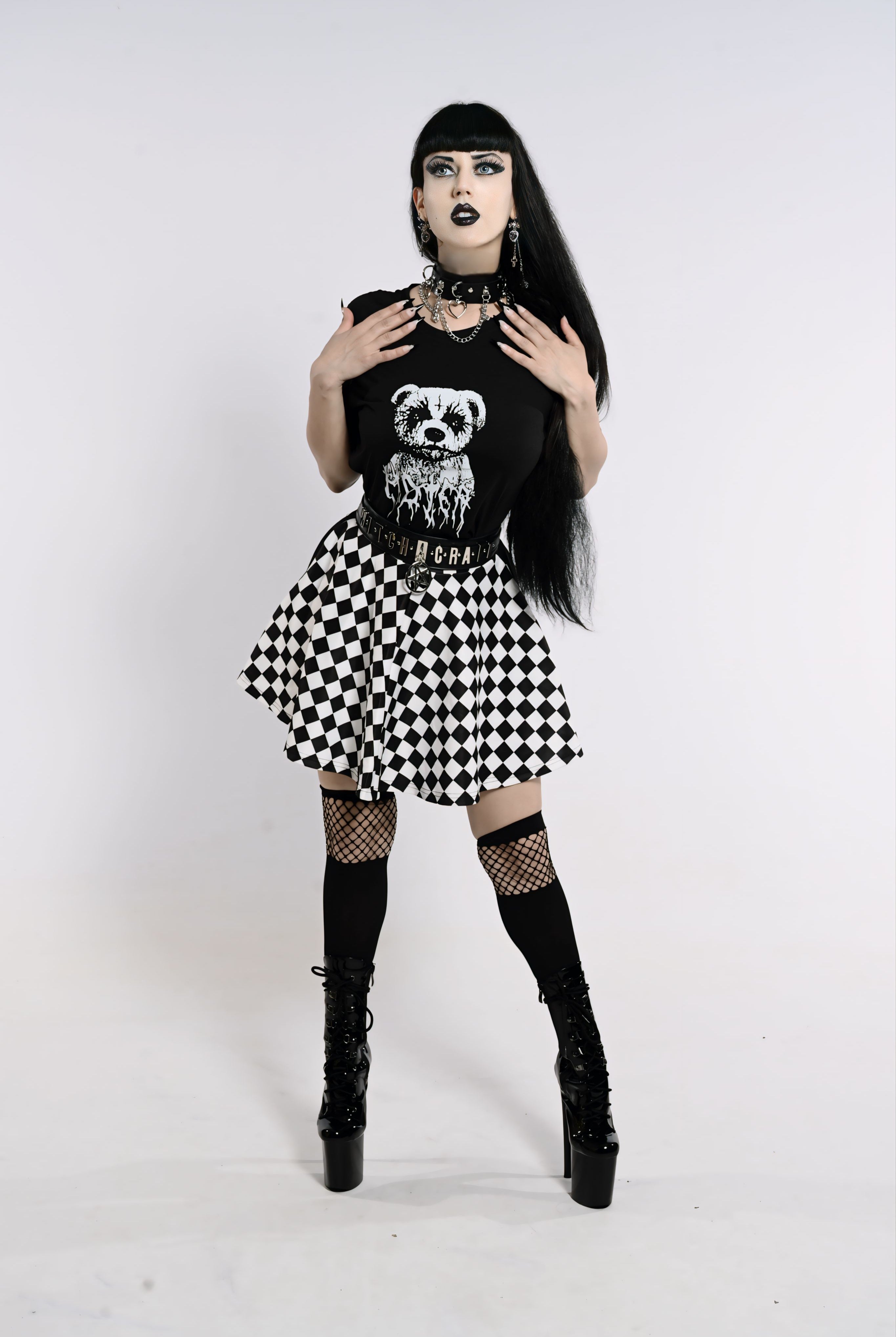
The platform is the most visually legible goth signal. It adds height through the sole rather than the heel, which creates the chunky, stomping silhouette associated with trad-goth, nu-goth, and cybergoth aesthetics. Platform heights range from a manageable 1.5 inches (accessible, wearable all day) to the Demonia Camel-311 territory (five-inch platforms, not built for the supermarket run). Key hardware cues: D-rings, buckle straps, and chunky metal eyelets all amplify the gothic read.
Combat Boots
The combat boot sits lower, with a chunky lug sole and minimal heel. Its roots are punk and post-punk: the Dr. Martens 1460 is the canonical example, worn by every goth adjacent to Siouxsie, Bauhaus, and The Sisters of Mercy since the early 1980s. Combat boots read as democratic, hard-wearing, and subcultural in a way that platforms do not. They pair naturally with dark academia layering and gothic romance midi dresses where you want the boot to anchor rather than announce.
Victorian and Heeled Ankle Boots
The Victorian lace-up or heeled ankle boot is the gothic romance and whimsigoth pick. Think a stacked heel, narrow toe, and either side-button or front-lace closure. These are closer to historical mourning dress footwear than to punk stagecraft, and they read differently: refined, melancholic, literary. Hades Footwear and some of the New Rock range work here. These pair with bias-cut slips, ruffled Victorian blouses, and the kind of dress that belongs in a Crimson Peak scene.
Key Material Signals
Genuine leather ages well and holds form; it is also the traditional choice in trad-goth and industrial aesthetics. Vegan leather (PU) has improved dramatically and is now the default for brands like KOI and Demonia's broader range; it photographs well but varies considerably in durability. Avoid anything marketed as "faux suede" in a black boot unless you are buying it for a single occasion: it pills and fades fast.
The Best Goth Boot Brands, Ranked by Aesthetic (Not Affiliate Commission)
Demonia: The Accessible Platform Standard
Demonia is where most people in the community start, and for good reason. The brand has been producing platform and alternative footwear since 1990, and its range covers every goth sub-aesthetic from the understated (low platform, single buckle) to the maximalist (six-inch stacked platforms with fishnet cut-out panels). Prices run roughly $50-$150, which makes them genuinely accessible as an entry point.
The community consensus is honest about limitations: Demonia uses PU (vegan) leather across most of its range, which is a feature for some and a drawback for others. Durability is decent for the price but does not match New Rock or Dr. Martens over years of daily wear. That said, for platform variety, aesthetic range, and affordability, nothing competes at this level.
Wide-calf options exist within the Demonia range, which matters. Good Goth (a specialist alt-footwear retailer) carries Demonia alongside other brands and stocks wide-calf variants with their sizing clearly labelled, making it the cleanest way to shop the brand if fit is a concern.
Best for: Nu-goth, trad-goth platform silhouettes, whimsigoth with star and moon hardware, cybergoth. Pairs with: TCC gothic dresses and gothic skirts.
Consider Emma, who had been wearing Killstar's platform boots for two years until the stitching separated on the left boot six weeks after delivery. She asked r/GothFashion for alternatives and got the same two answers in every reply: Demonia for platforms, Dr. Martens if she wanted something she would still be wearing in 2030. She bought both. The Demonias go out on weekends; the Docs go everywhere else.
Dr. Martens: The Everyday Rebellion
Dr. Martens does not need an introduction to anyone who has been in or adjacent to goth, punk, or post-punk culture. The 1460 eight-eyelet boot has been a subcultural staple since the 1970s, worn by The Clash, Ian Curtis, Siouxsie Sioux, and every art student who found themselves listening to Joy Division at 2am. The Jadon platform variation has absorbed that heritage and made it explicitly gothic-platform in profile.
The air-cushioned sole is the practical reason the community keeps returning: Docs are wearable for full days in a way that many platforms are not. They also age. Real leather Docs develop a patina; the boot you buy in your twenties will look better in your thirties with proper care.
The vegan range (marked "Vegan" on site) uses synthetic uppers and is structurally comparable in quality to the non-vegan line. It is not an afterthought. The price point (typically $150-$200) positions Docs as a mid-tier investment rather than an entry-level purchase, which is accurate: they are built to last.
Best for: Dark academia layering, gothic romance where you want a grounded boot rather than a heel, everyday alt wear, post-punk and trad-goth basics. Pairs with: TCC corsets, gothic tops, and dark academic layers.
New Rock: The Investment Boot
New Rock is a Spanish brand that has been making heavy-duty gothic and industrial footwear since 1976. If Demonia is where you start, New Rock is where you arrive when you decide to stop compromising. The soles are thick, the leather is genuine, the hardware is chunky and stamped, and the heels are engineered to survive the kind of use that destroys PU alternatives in a season.
Price reflects that: New Rock boots range from roughly $200 to $400 and beyond for the more architectural designs. They are not a casual purchase. But in r/goth discussions about boots that last, New Rock appears with a consistency that no other brand matches at the construction quality level. "I've had mine for nine years" is a common sentence in those threads.
The aesthetic skews industrial and trad-goth: flame motifs, thick platform soles, heavy metal buckles, pointed toe options. For Victorian lace-up or whimsigoth aesthetics the range is thinner, but for anyone building a wardrobe around a heavier gothic register, these are the boots.
Best for: Trad-goth, industrial, Victorian-adjacent heavy leather looks. Pairs with: TCC's darker Victorian-register pieces and gothic jewellery.
KOI Footwear: The Vegan Independent Pick
KOI Footwear is a UK-based brand that is fully vegan across its entire range. Not a vegan line within a broader catalogue, not a token alternative: every boot, every shoe, every platform on the site is animal-free. For the portion of TCC's customer base where vegan footwear is a non-negotiable, KOI is the answer.
The aesthetic is playful and genre-literate: chunky platforms, pastel-to-black colour range, pop-culture collabs (Twilight, Rocky Horror), and a design sensibility that sits comfortably in whimsigoth and dark-romantic territory. Prices are accessible ($60-$120 for most styles), drops are regular, and the brand reads as independent in spirit rather than conglomerate-owned.
The community in r/GothFashion has been consistently warm on KOI over the past two years, particularly on the chunky-heel and platform styles. Quality is reported as solidly mid-tier, which at the price point is a fair assessment.
Best for: Whimsigoth, pop-goth, vegan-committed shoppers, anyone who wants an independent brand feel. Pairs with: TCC's softer aesthetic pieces, gothic necklaces and star-and-moon jewellery, and lighter gothic layers.
T.U.K. Footwear: The Punk Heritage Option
T.U.K. was founded in 1991 and has bases in the UK and California. The brand's roots are in creepers, the brothel-creeper sole that is among the oldest alternative footwear silhouettes still in active production, and its range extends into platforms, ankle boots, and pointed-toe options that draw on 1950s rockabilly and 1980s post-punk equally.
The vegan options within the T.U.K. range are well-constructed and clearly labelled. Mid-price ($80-$160) positions the brand between Demonia's entry level and Dr. Martens' everyday-staple tier. For anyone whose aesthetic is more vintage-punk than platform-maximalist, T.U.K. often fits better than either of those alternatives.
Best for: Punk and post-punk aesthetics, vintage-alt styling, creeper fans, everyday alternative wear. Pairs with: TCC gothic tops and alt accessories.
Hades Footwear: The Gothic Romance Artisan
Hades occupies a niche that no other brand on this list quite reaches: gothic footwear as wearable sculpture. The brand produces heeled boots and shoes with architectural detailing, spine heels, mechanical gear motifs, and silhouettes that are explicitly built for gothic romance and dark-formal dressing rather than stage presence or daily utility.
If you are building a gothic romance wardrobe around Crimson Peak, Wuthering Heights, or the bias-cut slip aesthetic, Hades is worth a serious look. The price range sits in the $100-$200 band for most styles, which is competitive for the construction level and design specificity.
The brand's community footprint is smaller than Demonia or Dr. Martens, but among gothic romance and dark-formal dressers it is well regarded. It does not have the same mainstream distribution as the tier-one brands, which is part of its appeal to a community that has become sensitive to the moment a brand gets big enough to get acquired.
Best for: Gothic romance, Victorian formal, dark-elegant aesthetics, anyone who wants footwear that reads as curated rather than commercial. Pairs with: TCC gothic dresses, bias-cut mourning slips, and Victorian blouses from the Gothic & Alt Tops collection.
Which Boot Style Belongs to Which Aesthetic?
The most useful thing this guide can do is map boot choices to aesthetic registers, because the community does not dress in a single monolithic "goth" mode. Here is how the major sub-aesthetics break down.
Whimsigoth reaches for the softer platform: KOI's chunky-heel styles, Demonia pieces with star or moon hardware, or a platform ankle boot in washed black or deep berry. The silhouette should feel mystical rather than industrial. Think Practical Magic rather than Ministry.
Gothic romance wants a Victorian silhouette: heeled, lace-up, slightly pointed, in genuine or well-finished vegan leather. Hades Footwear is the most direct fit. New Rock has options in this register. Dr. Martens 1460s in black worn with a bias-cut dress create a deliberate contrast that works well if the rest of the outfit leans literary.
Dark academia calls for clean lines. A good quality combat boot (Dr. Martens, T.U.K.) or a plain heeled ankle boot that reads collegiate rather than theatrical. Nothing too maximalist: the dark academia aesthetic is about restraint and layering, not hardware.
Trad-goth goes heavy. New Rock or Demonia's larger platform styles, proper leather or quality PU, substantial sole profile. This is the Bauhaus-and-Sisters-of-Mercy register: the boot should look like it belongs on a stage at The Batcave in 1982.
Corporate goth needs a boot that passes in professional environments while retaining gothic credibility. A clean Chelsea boot with a structured heel, or a minimalist pointed-toe ankle boot in matte black. Dr. Martens does this; so does the lower end of the New Rock range. Avoid obvious buckle-heavy hardware if the office demands a degree of subtlety.
A Note on Vegan and Independent Brands
The community's increased attention to ethics in alt fashion is not separate from the Killstar conversation: it is the same conversation. When Killstar was acquired by Bertram Capital in 2020 and its design team was subsequently let go, the community's disillusionment was not only about quality. It was about the reorientation of values: from a brand built by people inside the subculture to a brand optimised for margin.
Vegan footwear carries a related signal. Demonia's PU construction was initially a cost compromise; it has since become a feature for a significant portion of the community for whom vegan leather is an active preference rather than a budget limitation. KOI's fully vegan model is a cleaner commitment, and the community notices that distinction.
For wide-calf options: Demonia carries wide-calf variants across several of its platform boot styles. Good Goth (goodgoth.com) stocks Demonia alongside other alt footwear brands with wide-calf sizing clearly marked and easy to filter. This is worth naming because the editorial gap here is genuine: almost no existing boot guide calls out wide-calf availability, and it is a named community concern.
Independent brands to know beyond this list: Fantasmagoria (fantasmagoria.shop) carries platform wedges, creepers, and PVC heels in a smaller boutique model. YRU (yru.com) covers the cyber-goth and festival end of the spectrum, with ultra-chunky platforms and futuristic materials. Neither sits squarely in the occult or gothic romance lane but both serve specific corners of the community well.
How to Style Goth Boots With the Rest of Your Outfit
The boot is the foundation; the rest of the outfit builds upward. Here is how TCC's collections map to the boot styles above.
With gothic dresses: Platform boots under a full-length gothic dress create the silhouette most associated with the trad-goth and gothic romance aesthetics. A Demonia platform under a tiered black chiffon dress reads maximalist; a heeled Victorian boot under the same dress reads formal-melancholic. The gothic dresses collection covers both registers.
With corsets: A corset worn over a shirt or blouse, with a midi skirt and platform combat boot, is one of the most enduring dark-romantic silhouettes in the community's wardrobe. The corset draws the eye to the waist; the boot grounds the look. Dr. Martens worn with a waist-cinching corset and wide-leg trousers is the dark academia variant of this formula.
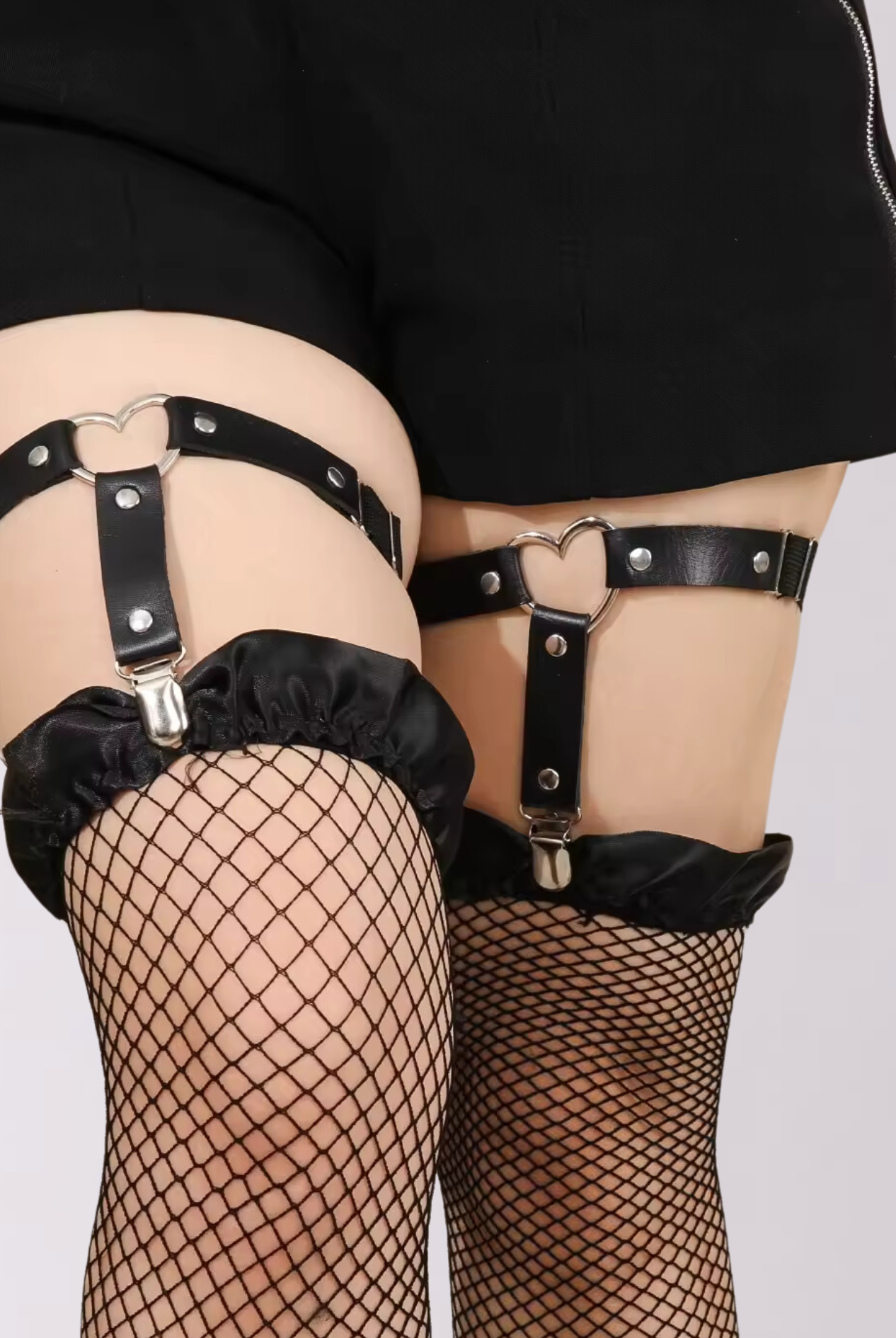
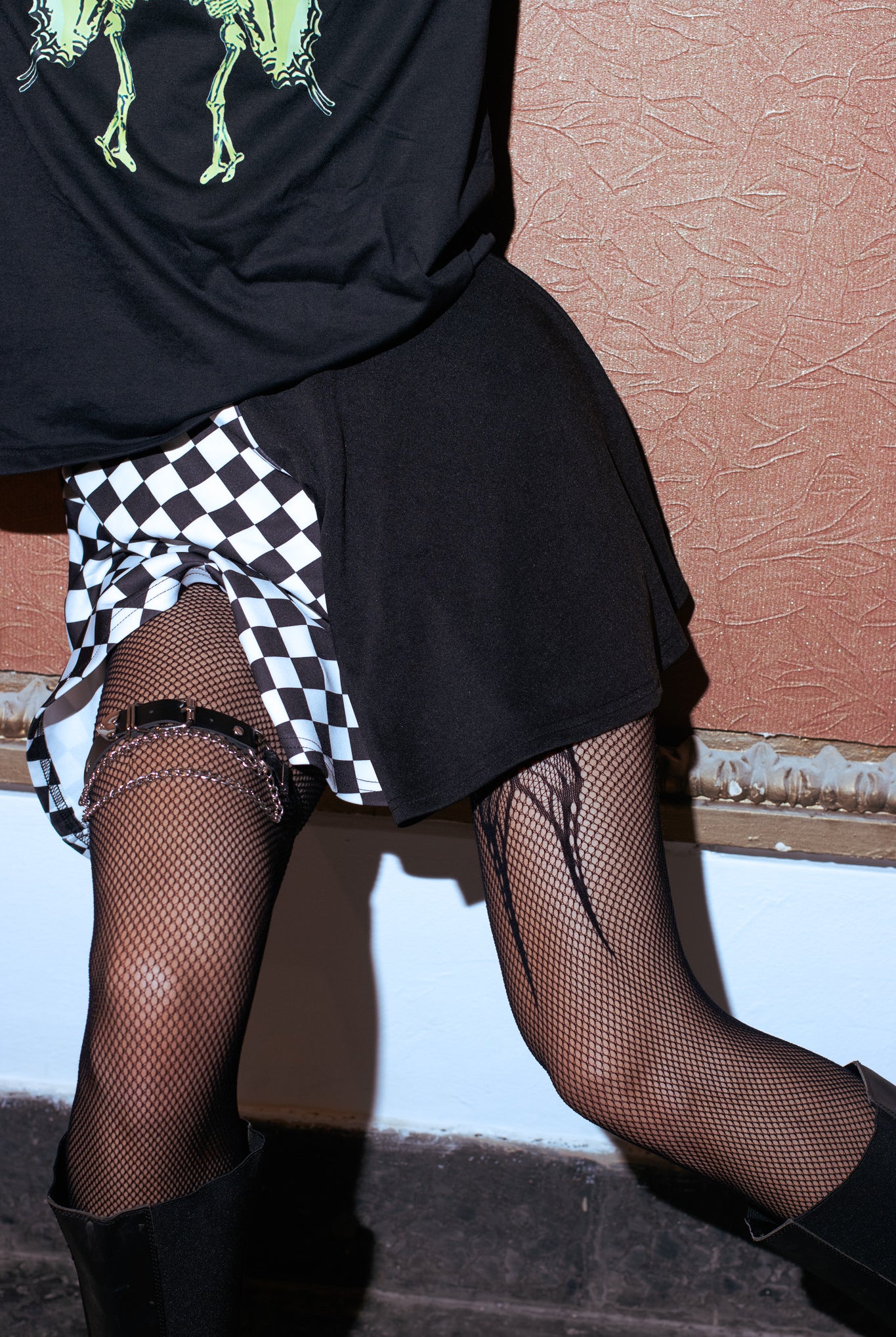
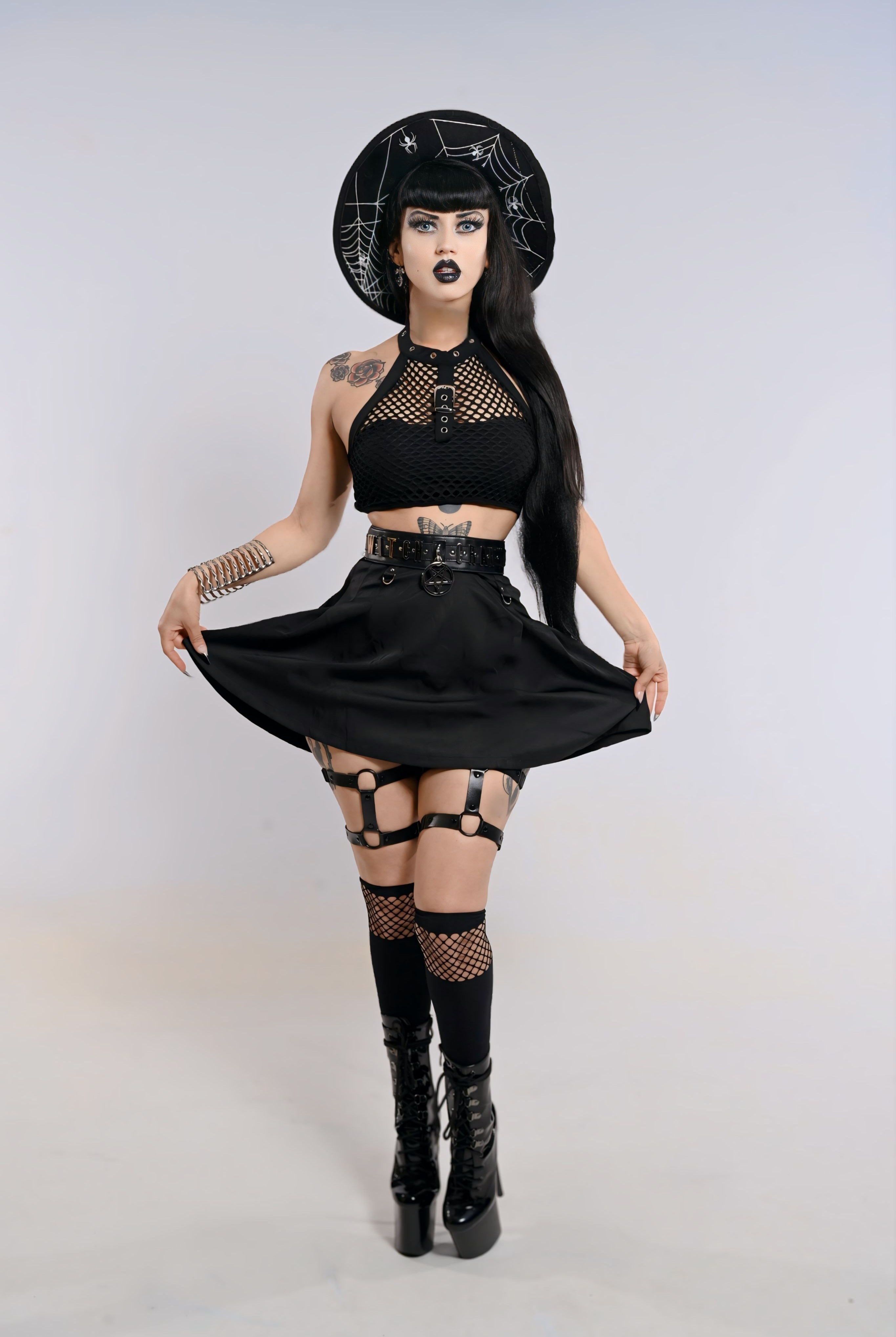
With gothic skirts: Midi and maxi gothic skirts pair naturally with either a heeled ankle boot (visible below the hem, adding a literary note) or a platform boot (worn with a shorter midi, the platform adds proportional drama). Fishnets and lace-top thigh-highs worn under the boot, visible at the calf, add texture and subcultural specificity.
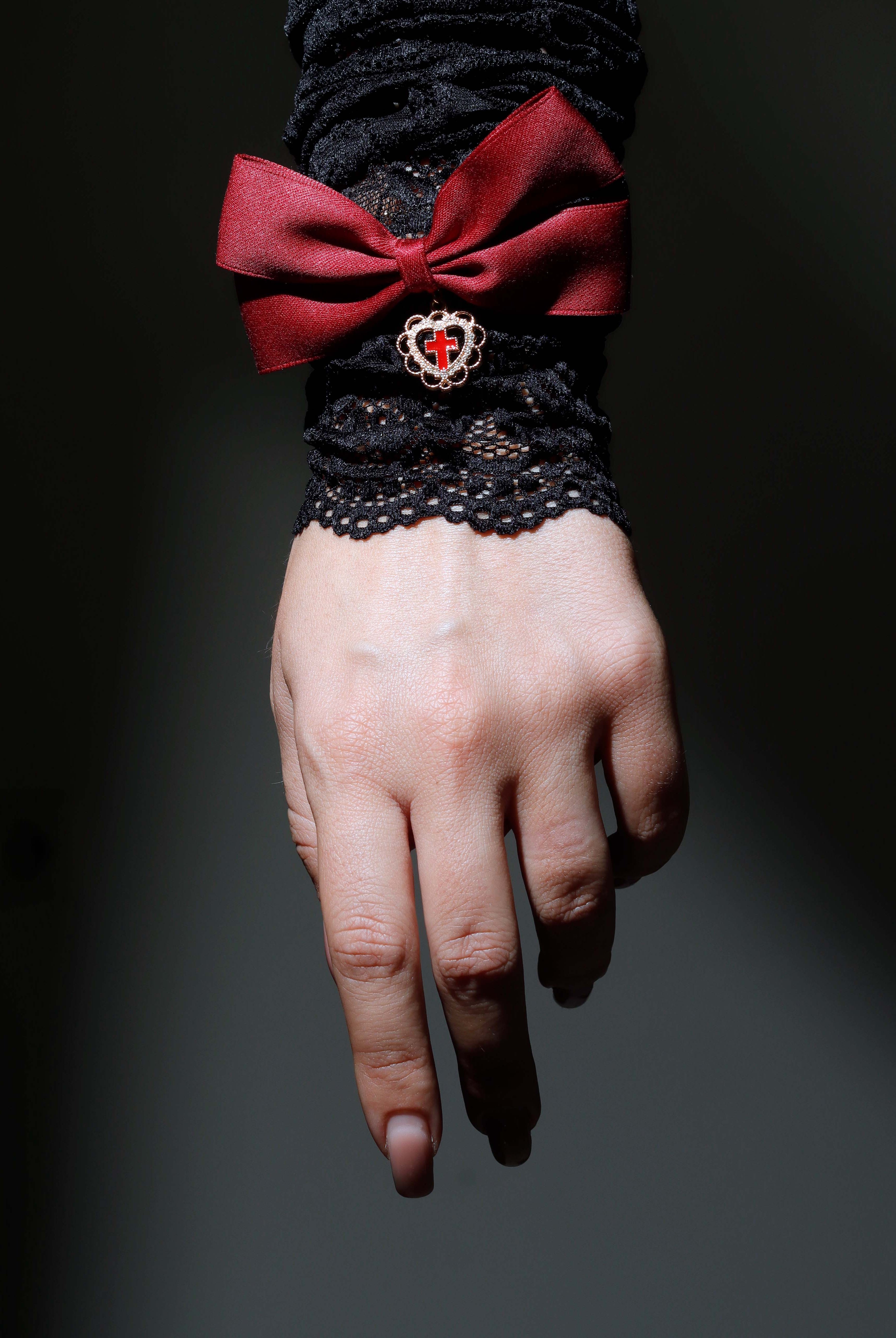
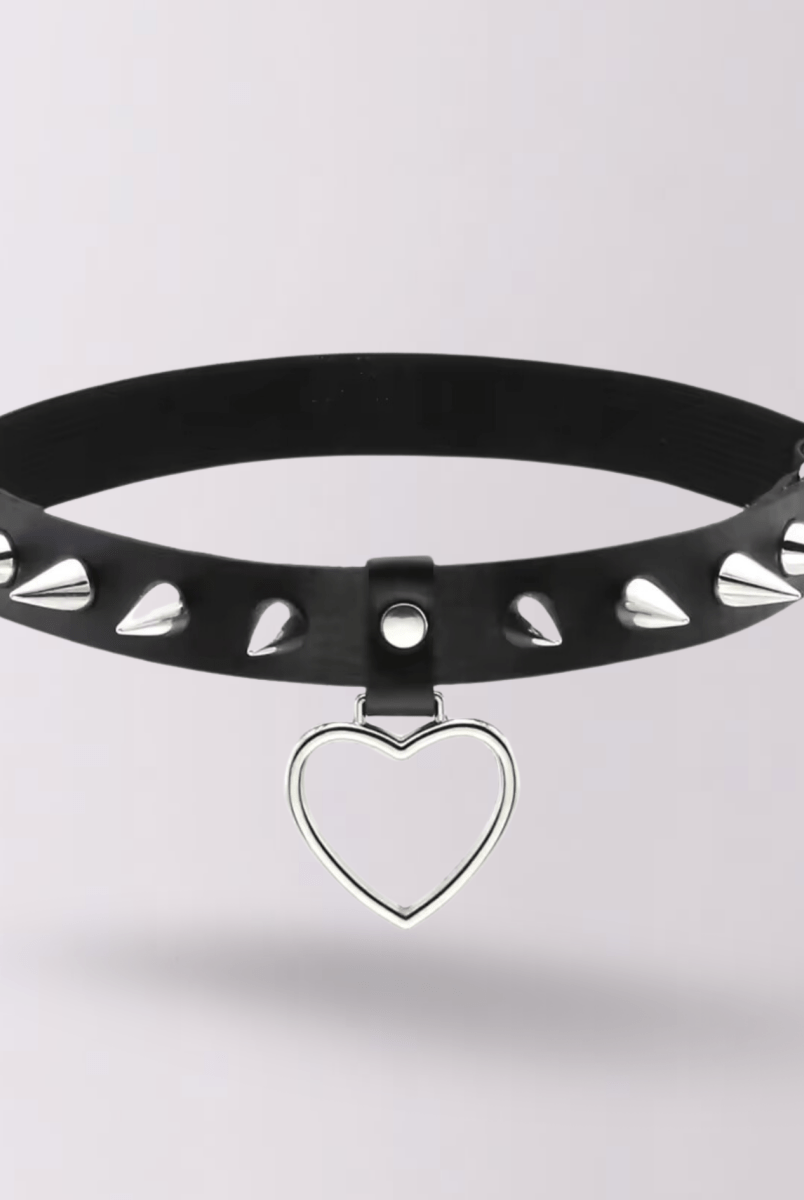
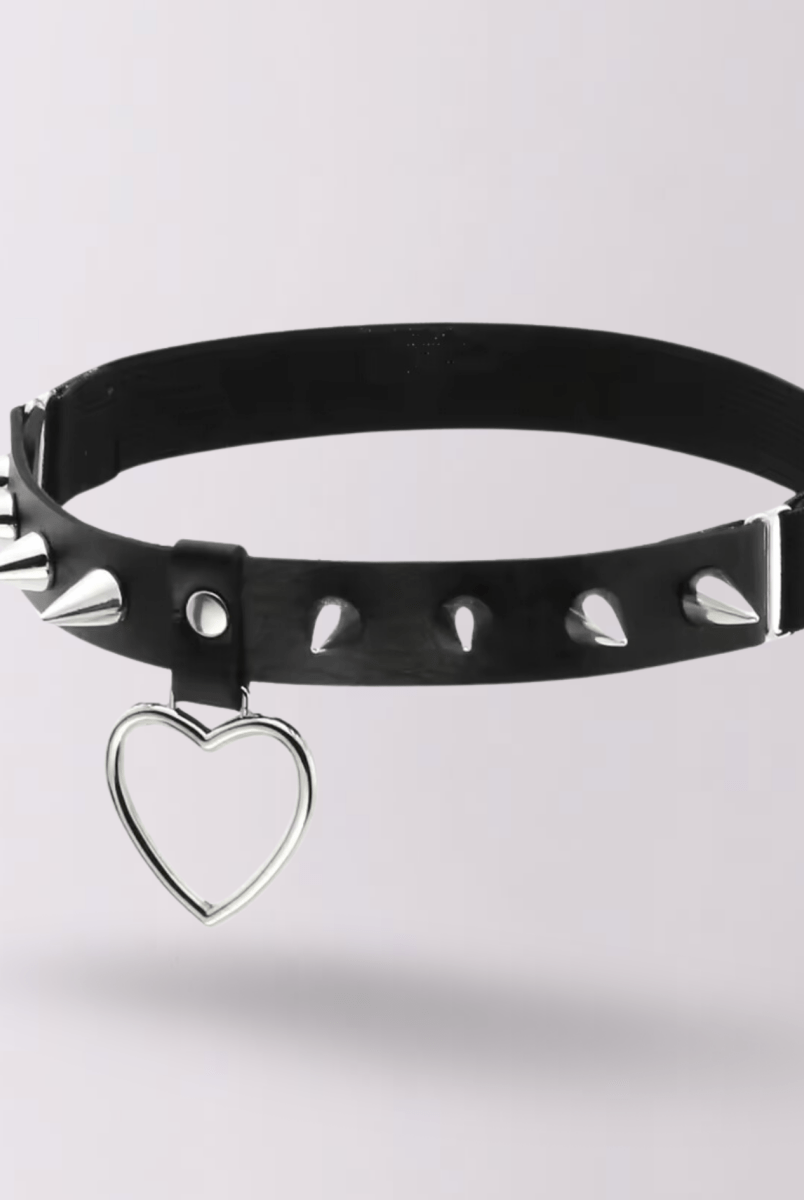
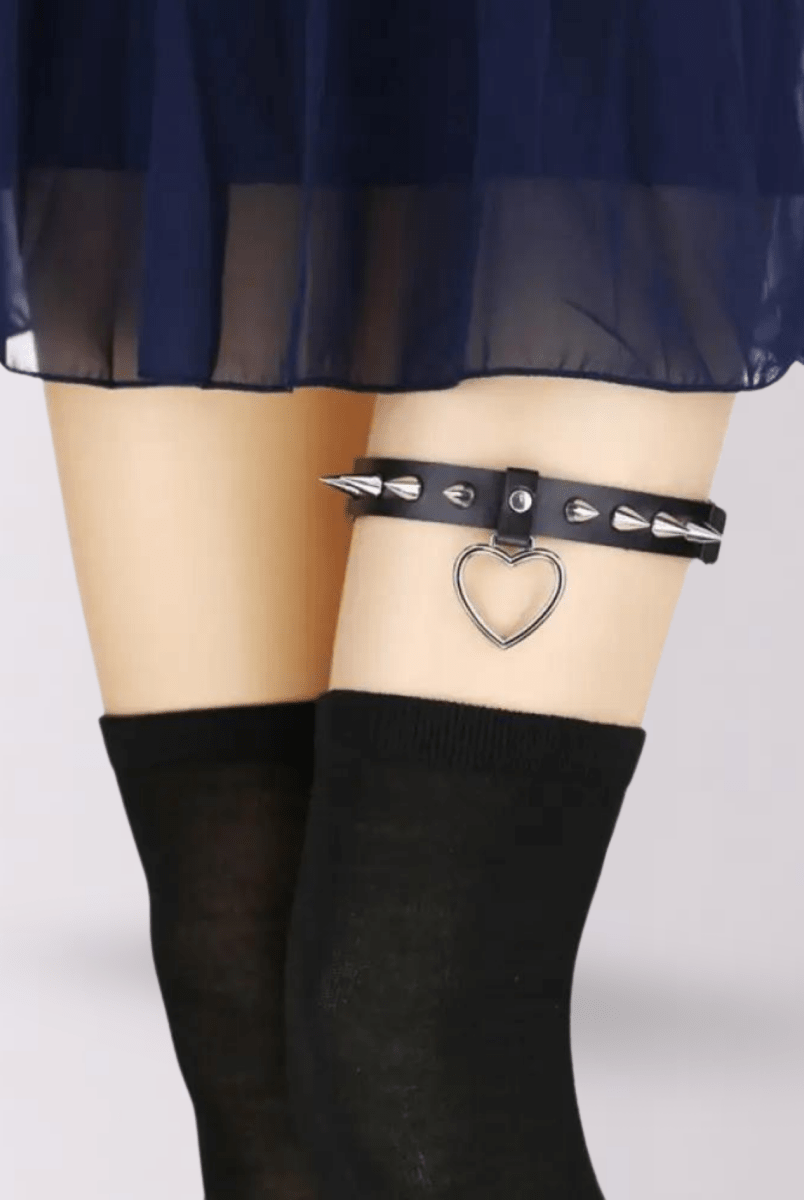
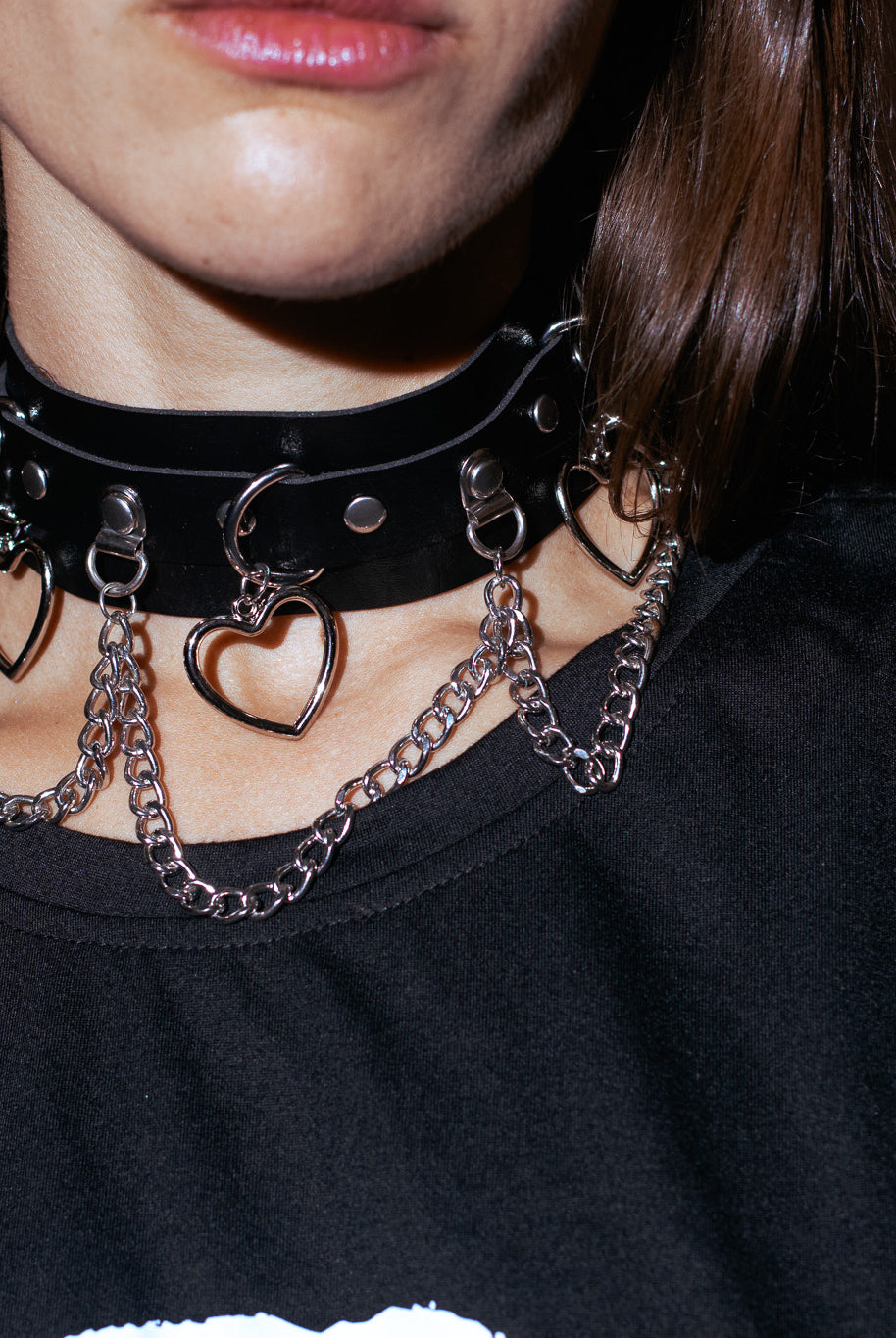
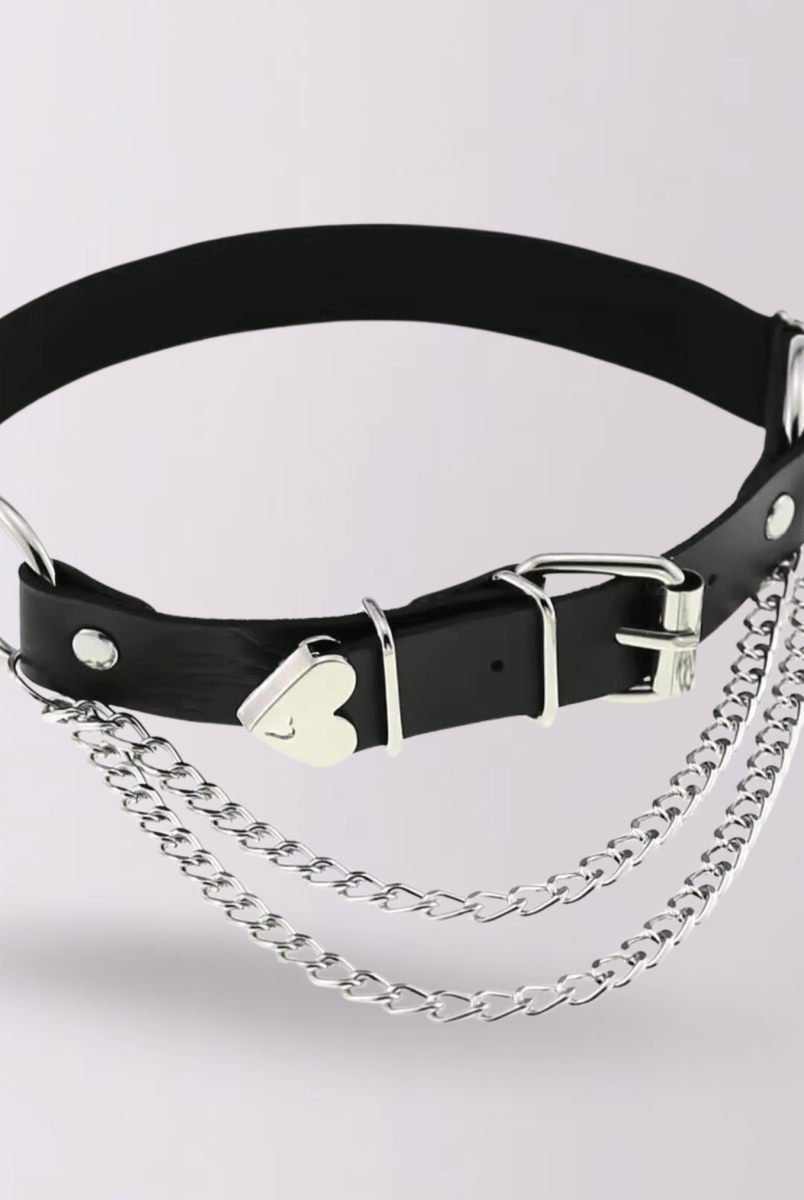
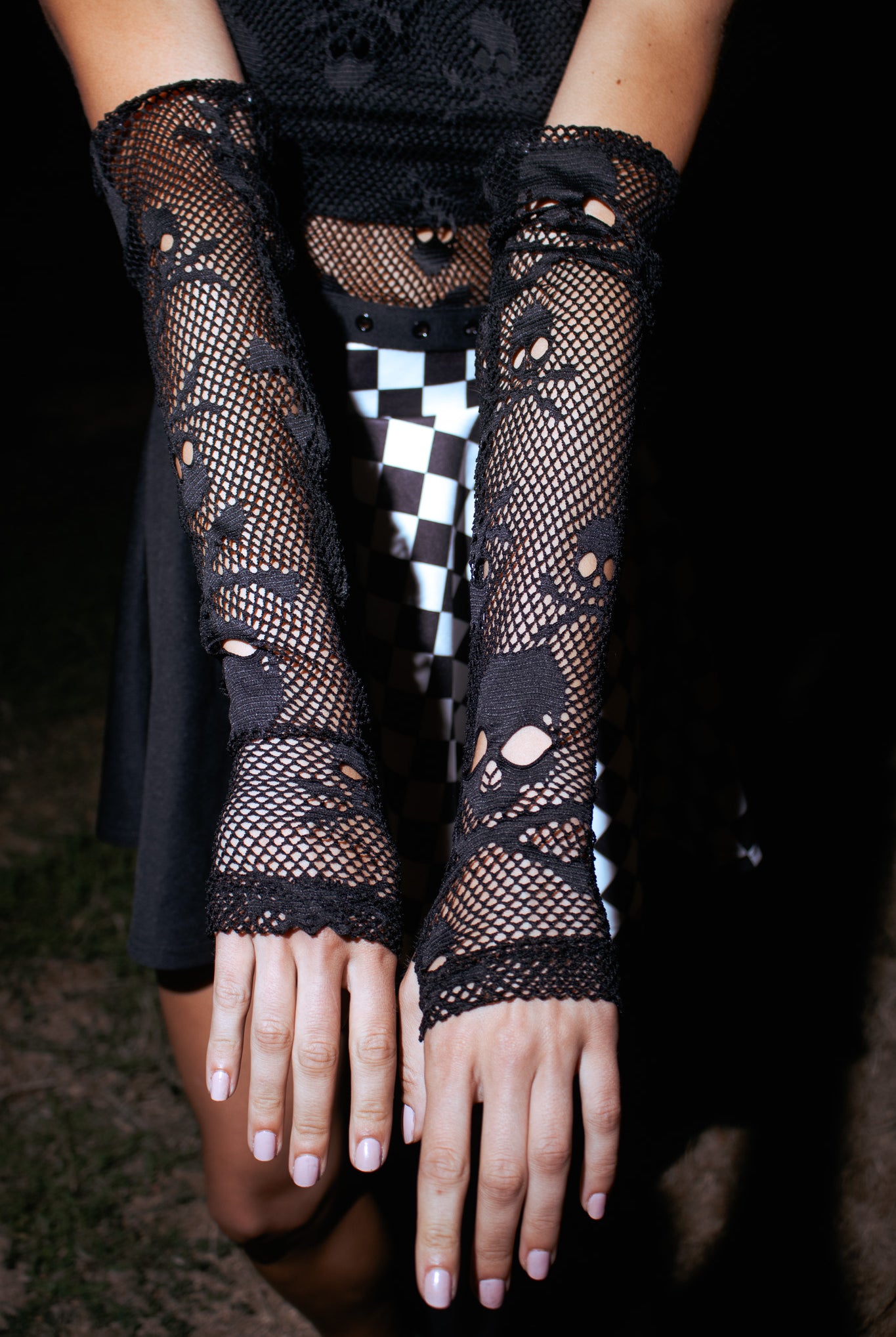
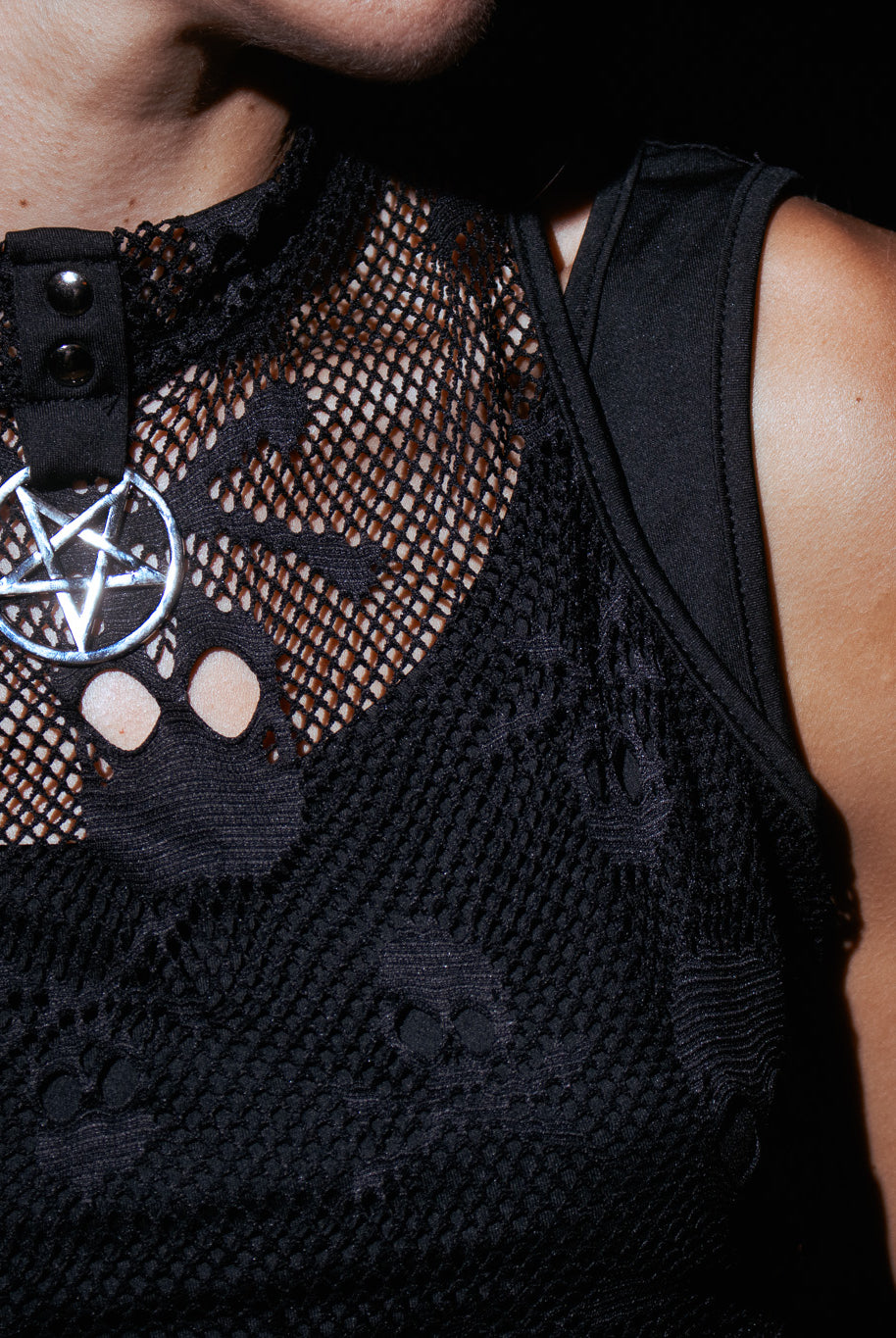
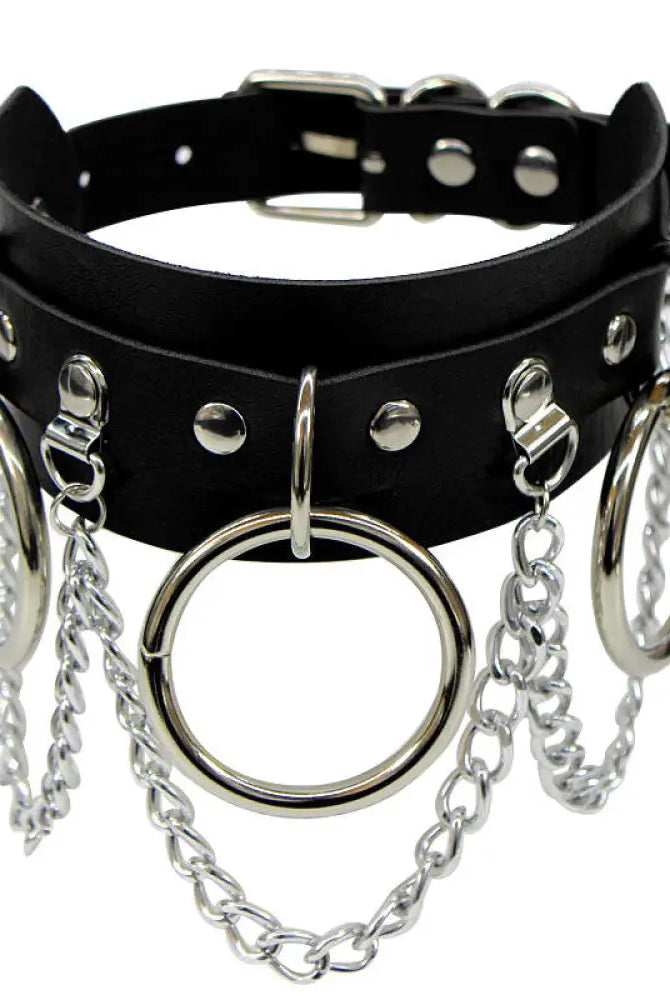
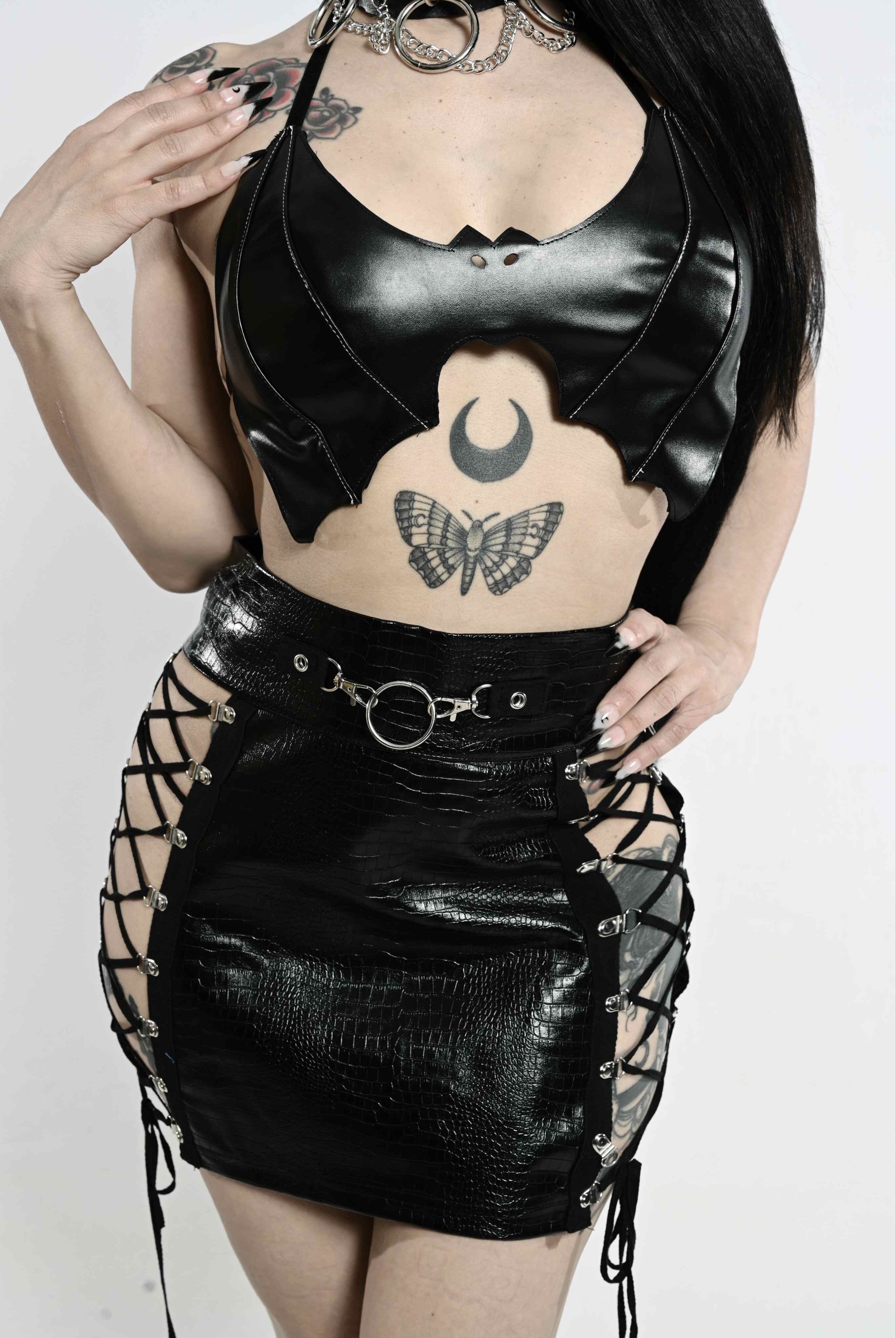
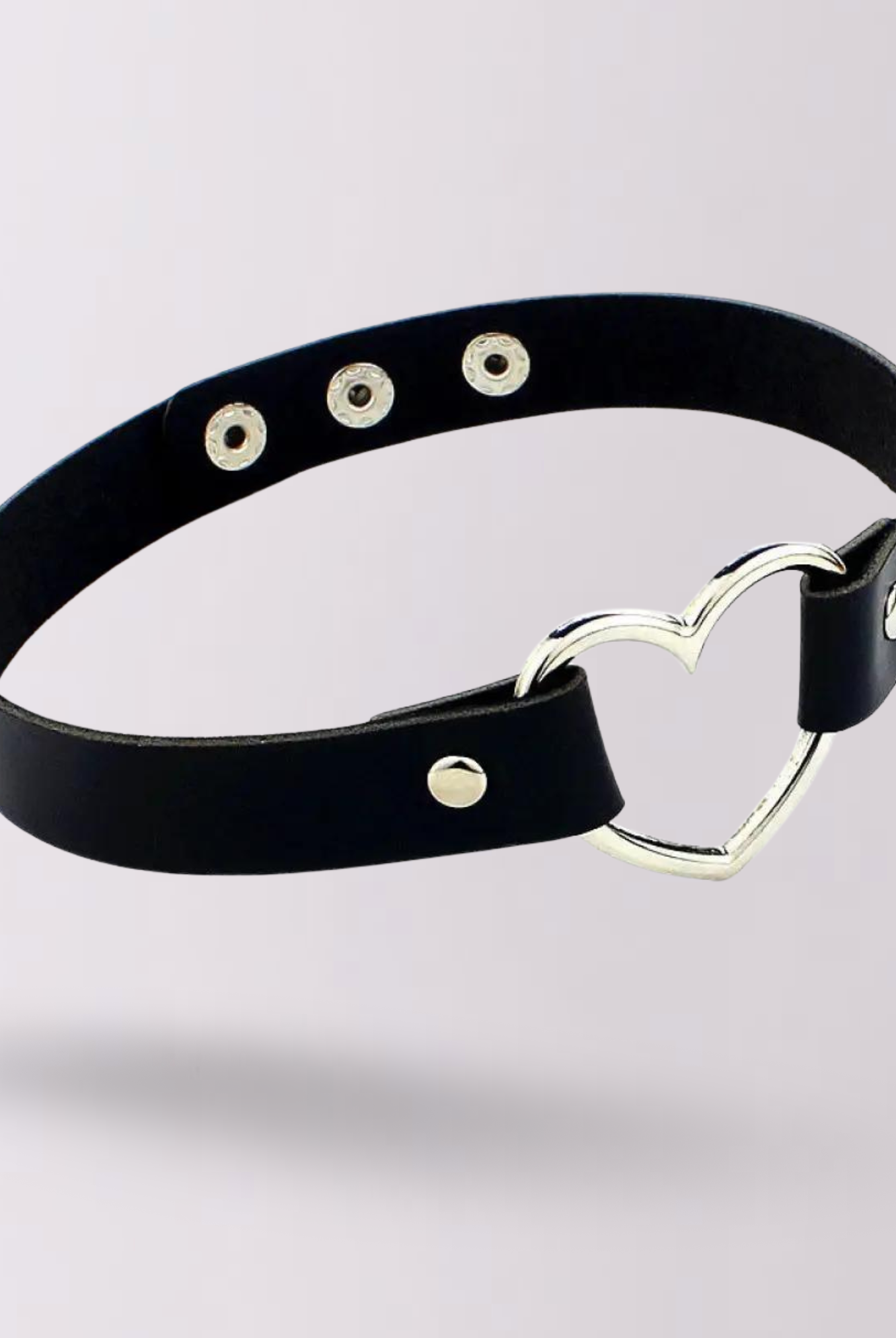
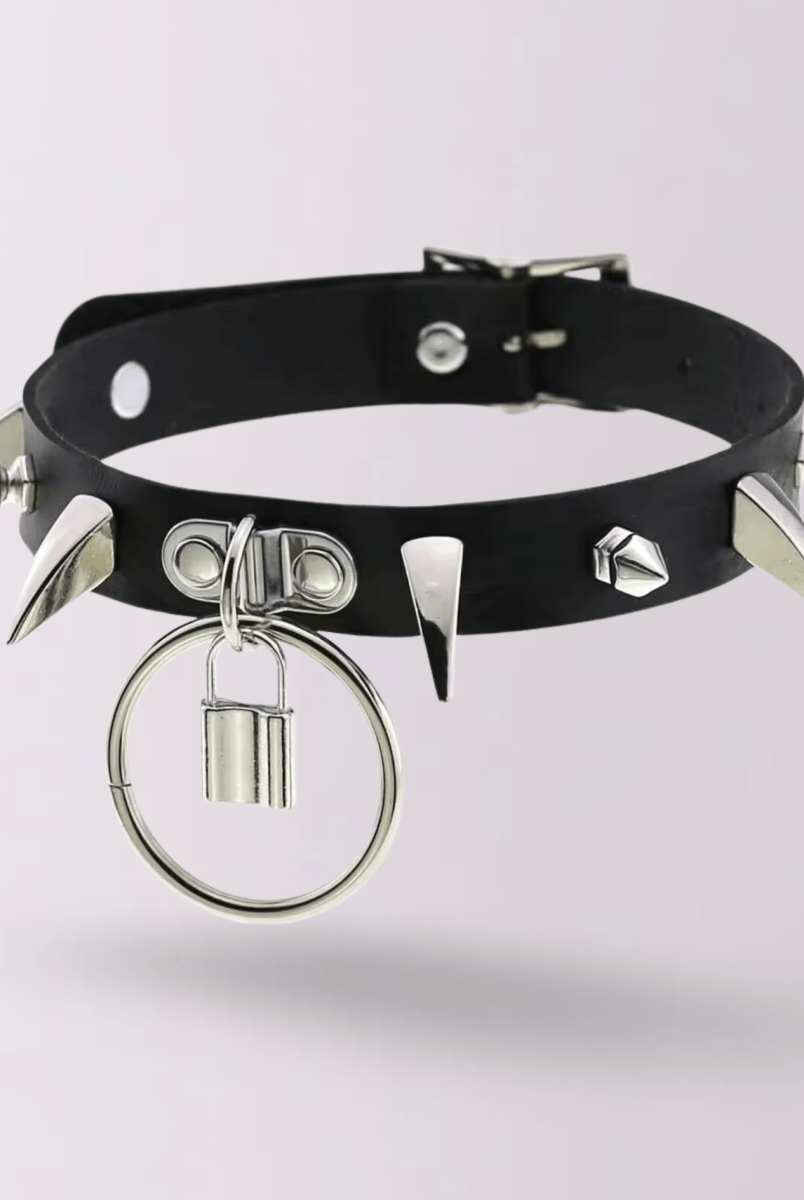
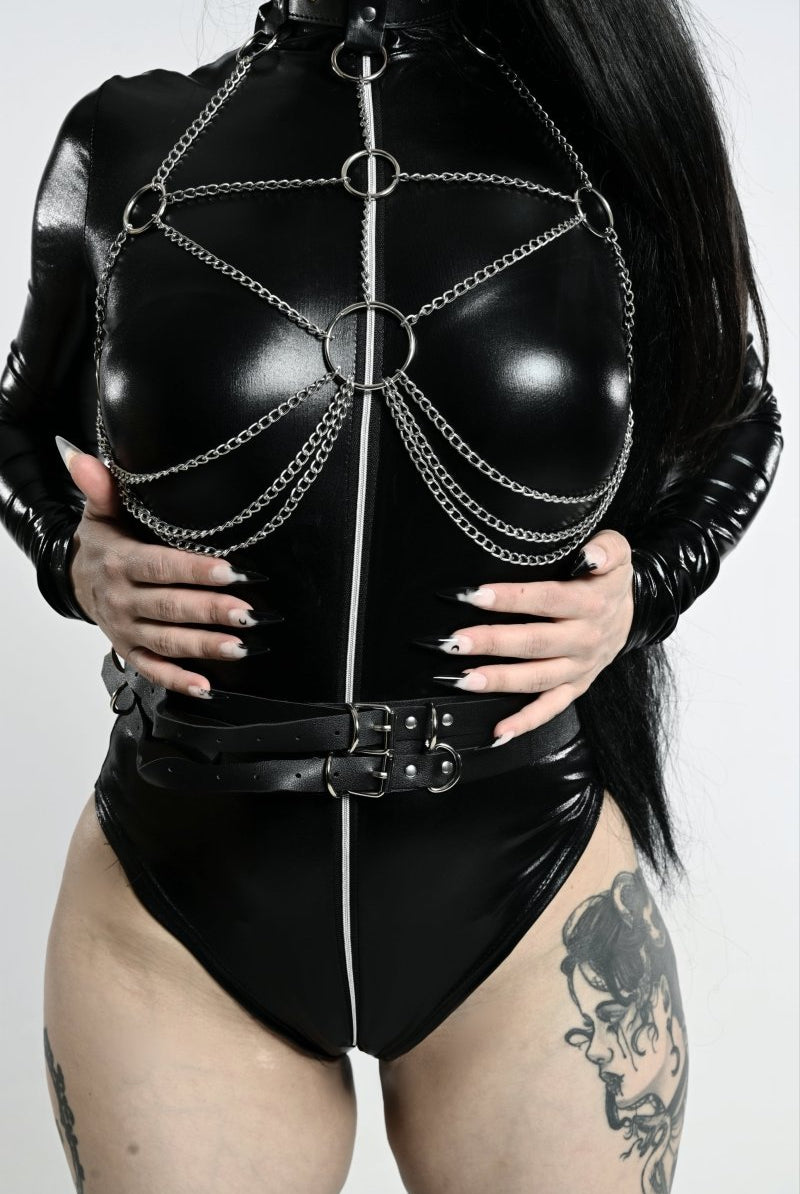
With jewellery and harnesses: Gothic jewellery and leather harnesses and chokers complete the look at the neck and wrist. Matching hardware is not required but reads as considered: silver pentagram jewellery with silver boot buckles, or a black leather harness worn over a dark slip dress with black New Rock boots, creates a unified aesthetic logic.
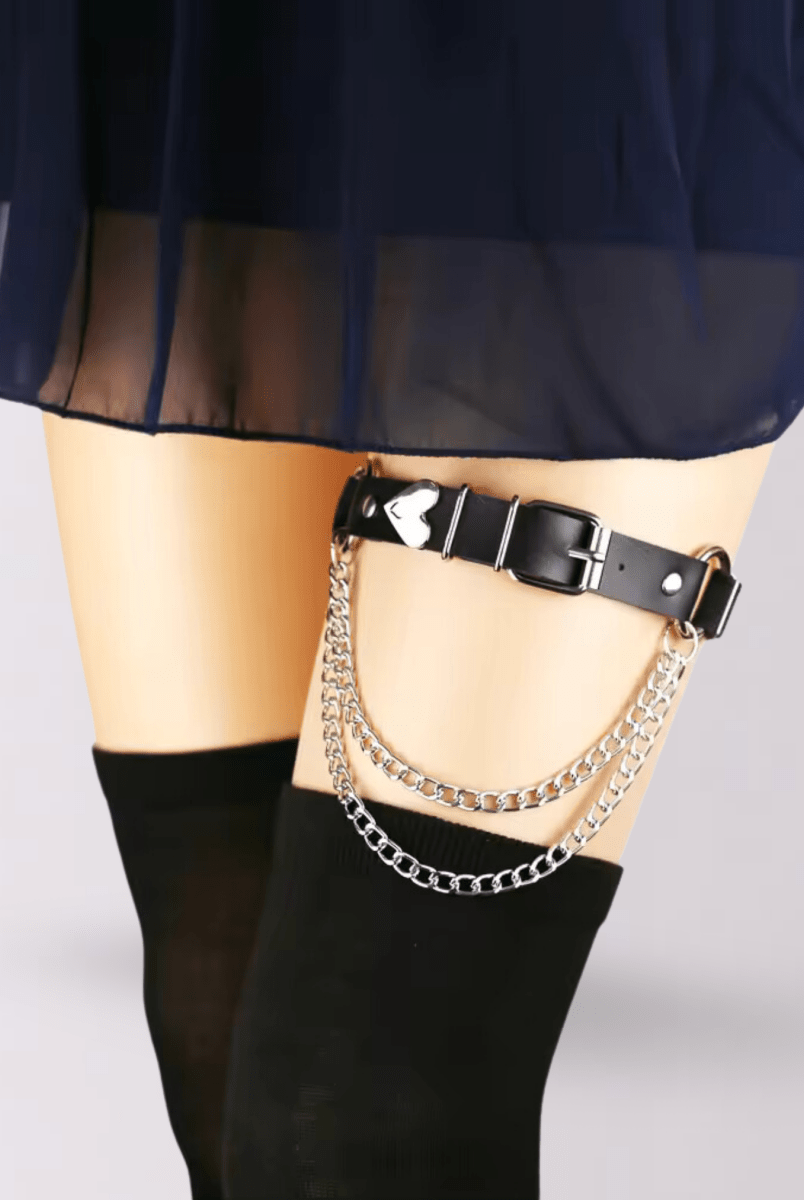
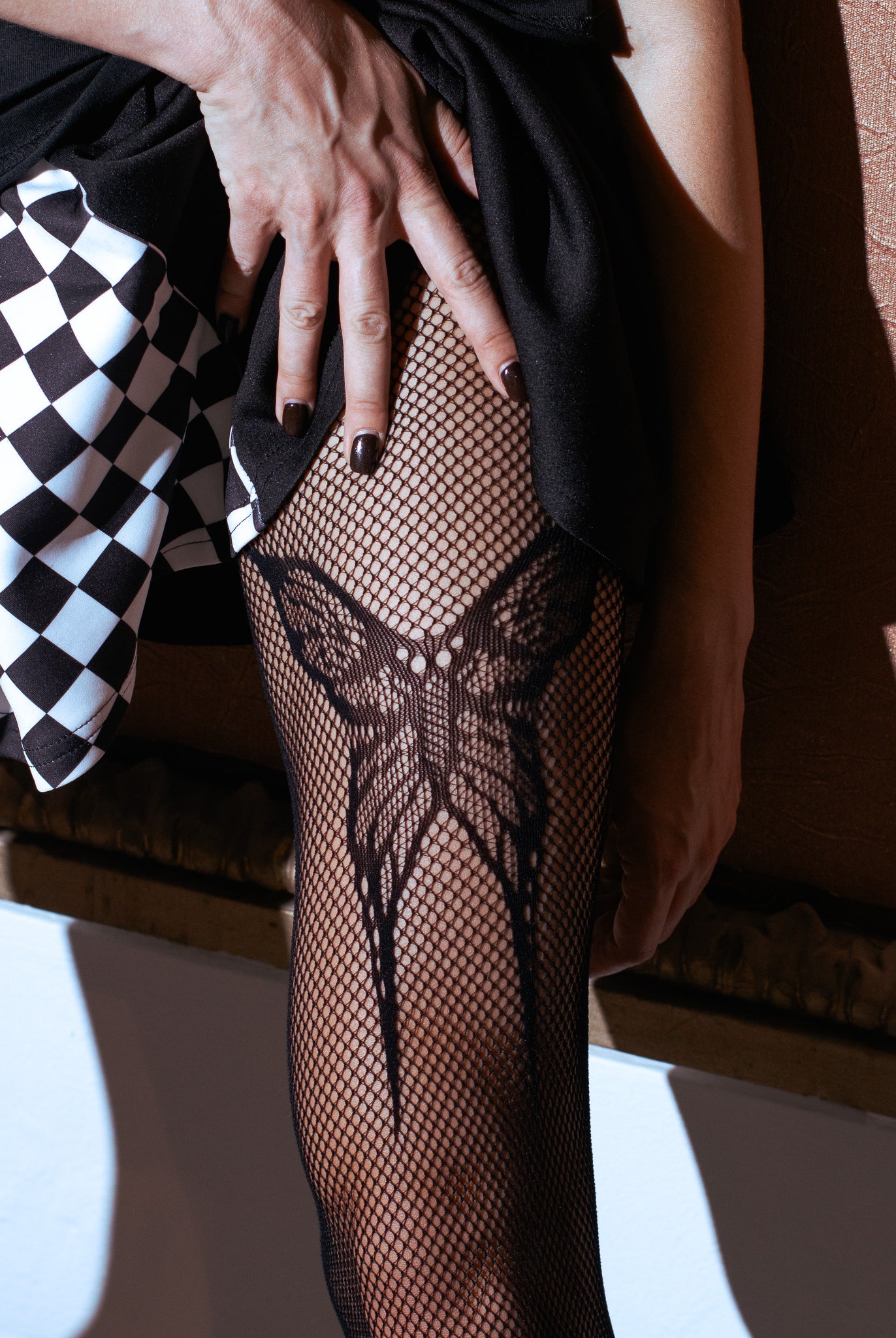
Hosiery: Fishnet tights worn with any platform boot are not a cliché; they are a subcultural constant because the visual rhythm of the net pattern against a chunky sole works. Lace-top thigh-highs, visible above a boot shaft, carry a gothic romance reading that fishnets do not. Both are worth having in the wardrobe.
FAQ: Best Goth Boots for Women
What are the best boots for a goth aesthetic?
The best goth boots for women depend on which aesthetic you are building. For platforms and trad-goth: Demonia. For everyday durability: Dr. Martens 1460 or Jadon. For an investment-grade leather boot in industrial or trad-goth: New Rock. For gothic romance with a Victorian silhouette: Hades Footwear. There is no single best boot; there is a best boot for your aesthetic register.
What brand makes the best platform goth boots?
Demonia is the community consensus for the best goth boots in platform styles at an accessible price ($50-$150). For vegan platforms, KOI Footwear is the standout fully vegan independent option. For a premium platform in genuine leather, New Rock makes some of the most durable heavy-platform boots available.
Are Demonia boots worth it?
Yes, at the price point. Demonia offers the widest aesthetic range in alternative footwear at roughly $50-$150, with strong platform variety and wide-calf options available. Durability is honest mid-tier: better than fast-fashion adjacent brands, not as long-wearing over years as New Rock or Dr. Martens in genuine leather. For a platform-specific boot, they represent good value for the aesthetic and price.
What boots do goths actually wear?
It varies by sub-aesthetic. Trad-goth and industrial wearers favour heavy platforms and Dr. Martens or New Rock. Whimsigoth leans toward softer KOI or Demonia platforms with celestial hardware. Gothic romance dressers reach for heeled Victorian lace-up boots (Hades, New Rock). Dark academia styling typically pairs with clean Dr. Martens or T.U.K. combat boots. The community wears across all of these depending on the day and the outfit.
Are there vegan goth boots?
Yes. Demonia uses PU (vegan) leather across most of its range. KOI Footwear is fully vegan across every product it sells. T.U.K. carries a clearly labelled vegan sub-range. Dr. Martens offers a vegan line using synthetic uppers at comparable quality to its non-vegan boots. New Rock's range is primarily genuine leather; this is part of its construction quality appeal but means it is not the right choice for strictly vegan shoppers.
What goth boots are good for wide calves?
Demonia carries wide-calf variants across several of its platform boot styles, and Good Goth (goodgoth.com) stocks Demonia alongside other brands with wide-calf sizing clearly marked and easy to filter. This is one of the most underserved practical questions in alt-footwear, and Good Goth is currently the most reliable specialist resource for it.
The Boots Are the Foundation. Build the Rest From Here.
The right goth boots are not an afterthought. They determine whether the full outfit holds together as a coherent aesthetic statement or collapses into a collection of individually interesting pieces that do not speak to each other. The community has learned this the hard way through years of fast-fashion adjacent alt brands offering boots that looked right on the product page and failed within a season.
The brands in this guide have earned their community recommendations through quality, aesthetic specificity, or genuine independent values, often all three. Demonia for platforms. Dr. Martens for durability. New Rock for the long game. KOI for vegan independence. T.U.K. for punk heritage. Hades for gothic romance.
Once the boots are right, the rest of the wardrobe builds around them. The Cursed Closet's collections are curated by aesthetic world rather than product feed: gothic dresses, corsets, skirts, and gothic jewellery built for exactly the looks mapped in this guide. Start with the boots, then explore what goes with them.
Explore gothic dresses and corsets at The Cursed Closet
The Cursed Closet is an independent, creative-director-led alternative fashion brand specialising in occult, witchy, and gothic romance clothing. Founded in 2023. No PE ownership. Plus-size availability across the range.