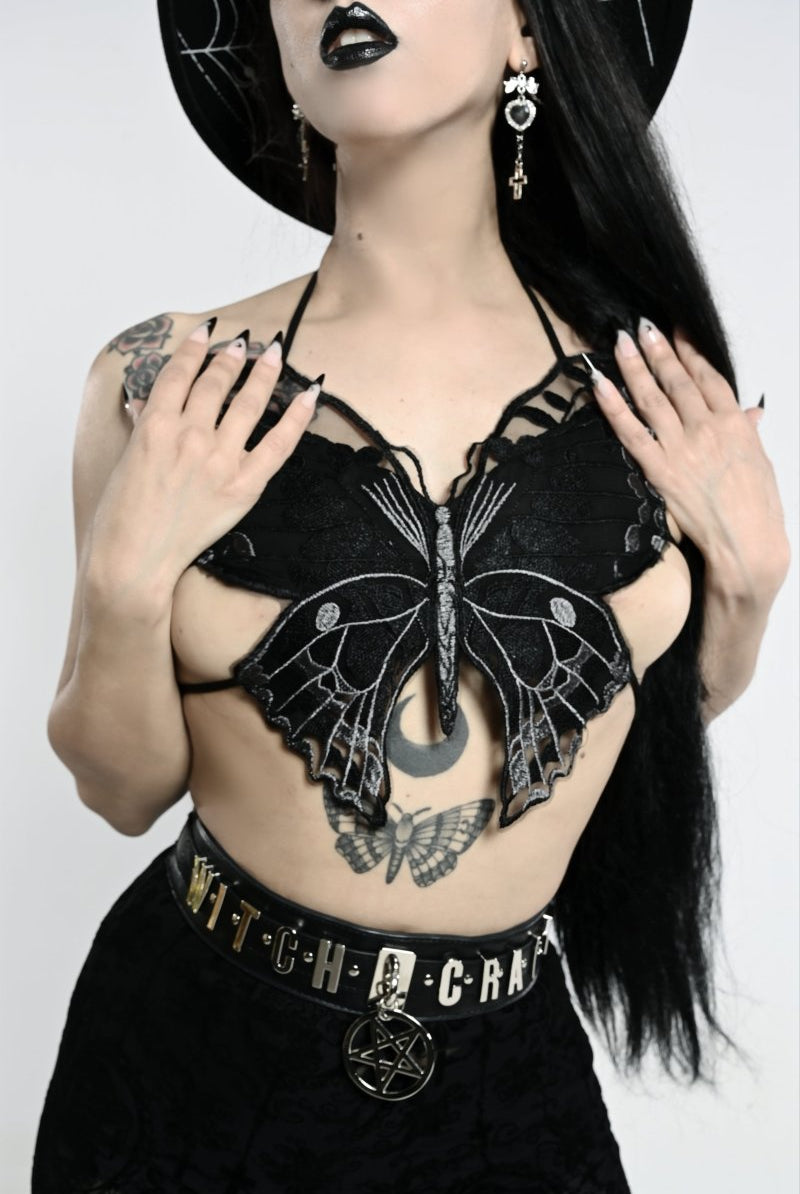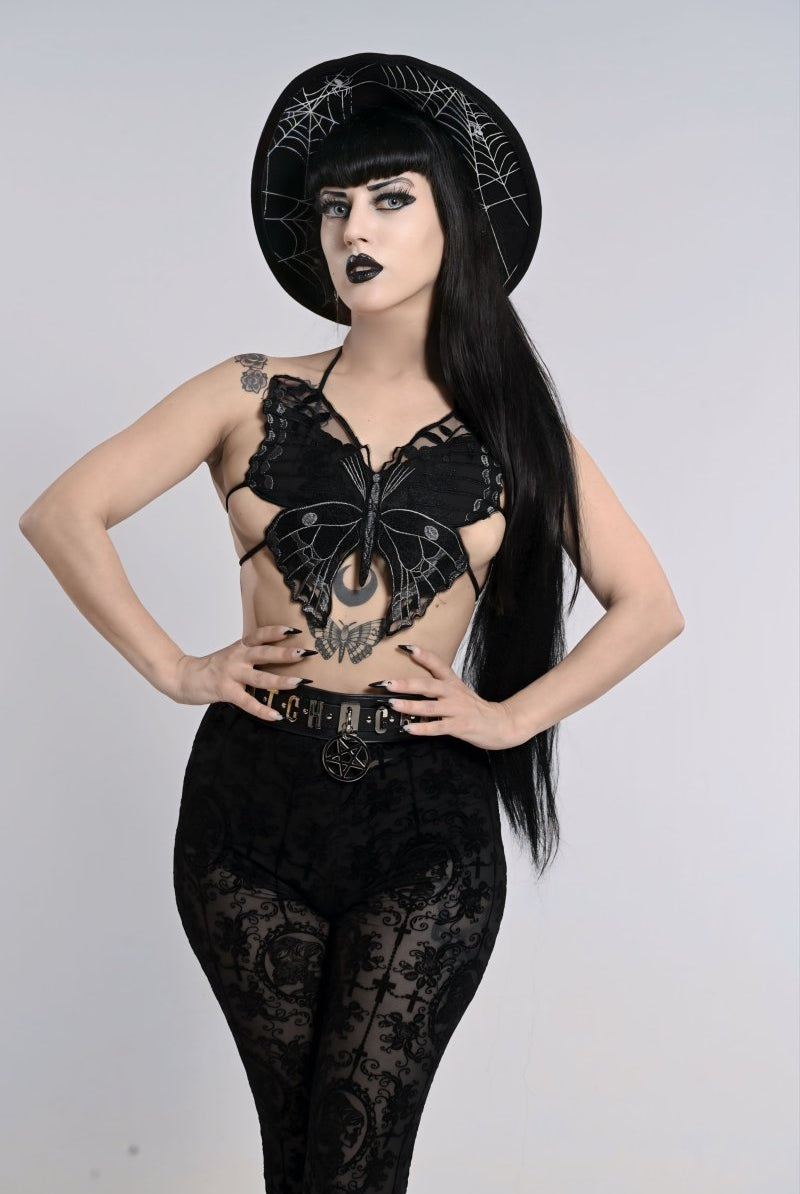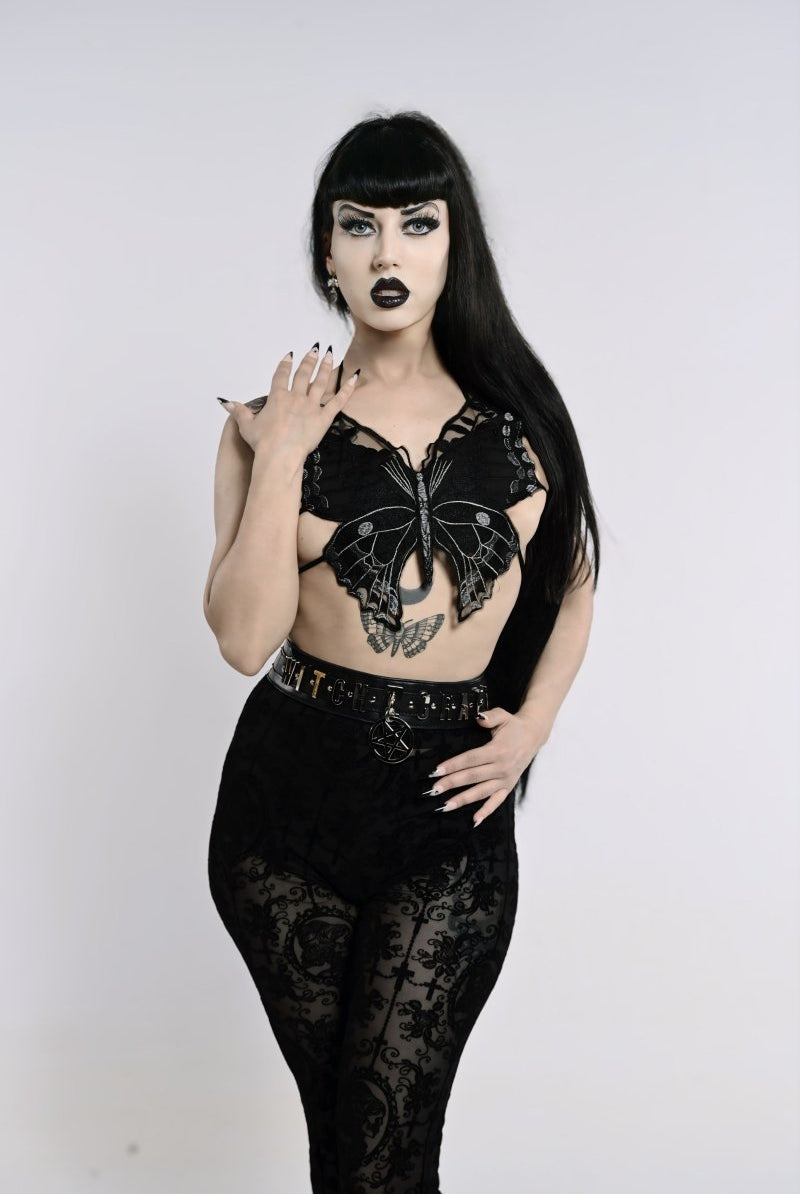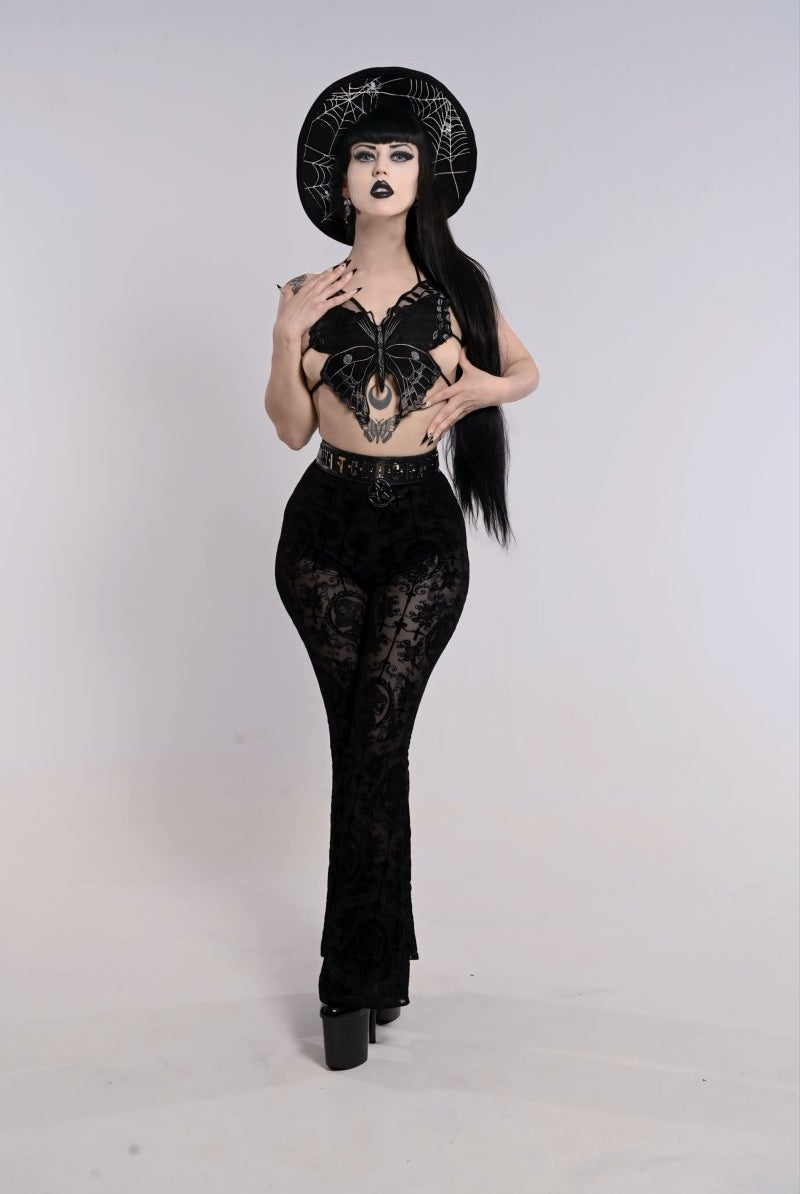

Key Takeaways
- "Cursed" in dark-alt fashion is an aesthetic identity rooted in witchcore and gothic romance, not a joke T-shirt from a print-on-demand site.
- Gothic and cursed aesthetics are surging in 2026: Pinterest reports "Carmilla aesthetic" searches up 60%, gothic decor interest up 29%, and multiple editorial outlets have declared it the Year of the Witch.
- The cursed wardrobe has a clear visual vocabulary: bias-cut slips, velvet, oxblood, celestial jewellery, Victorian silhouettes.
- The aesthetic extends beyond clothing into gothic homeware, and independent brands are the only ones serving the genuine dark-alt market.
- The Cursed Closet is independent, creative-director-led, plus-size across the range, and curated by Alisa Karin, built specifically for this aesthetic and this customer.
"Cursed clothes" is climbing in search, and if you type the phrase expecting meme tees and absurdist novelty gifts, you will find those. But a different search is happening underneath them, quieter and more deliberate, from people who want to actually live inside the aesthetic. This piece is for them.
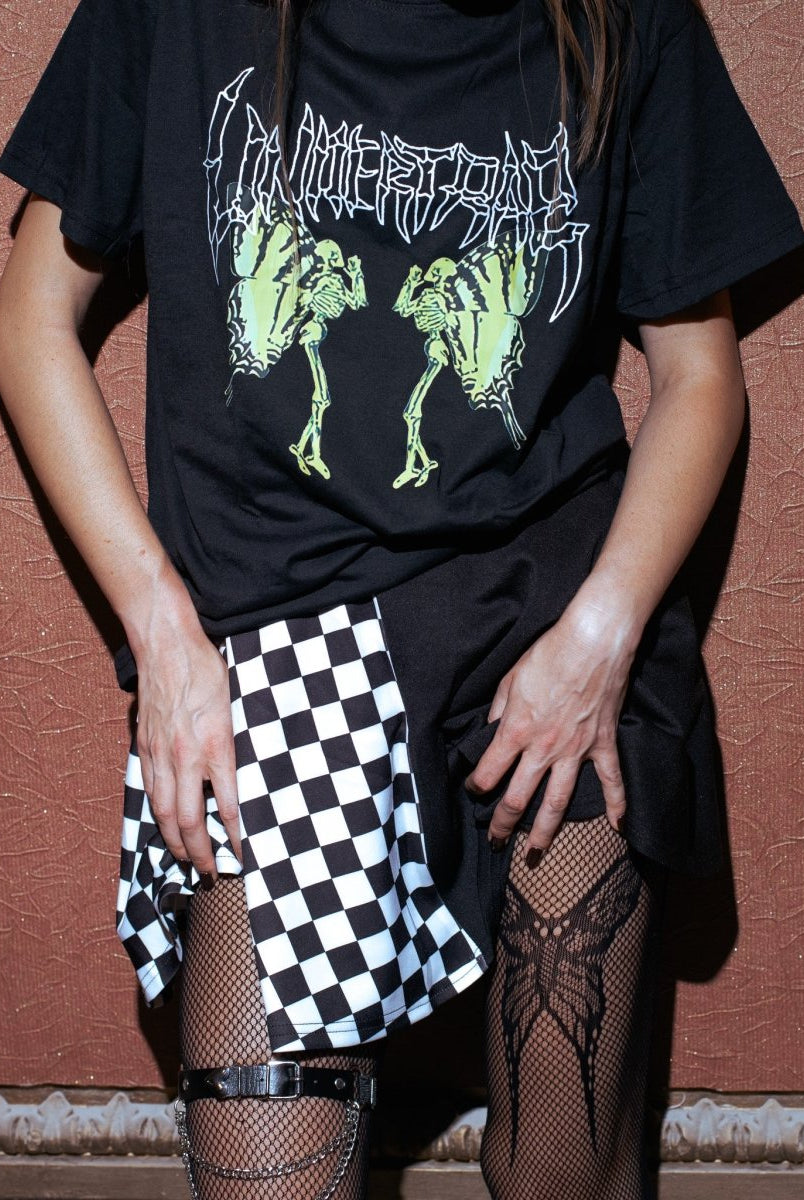
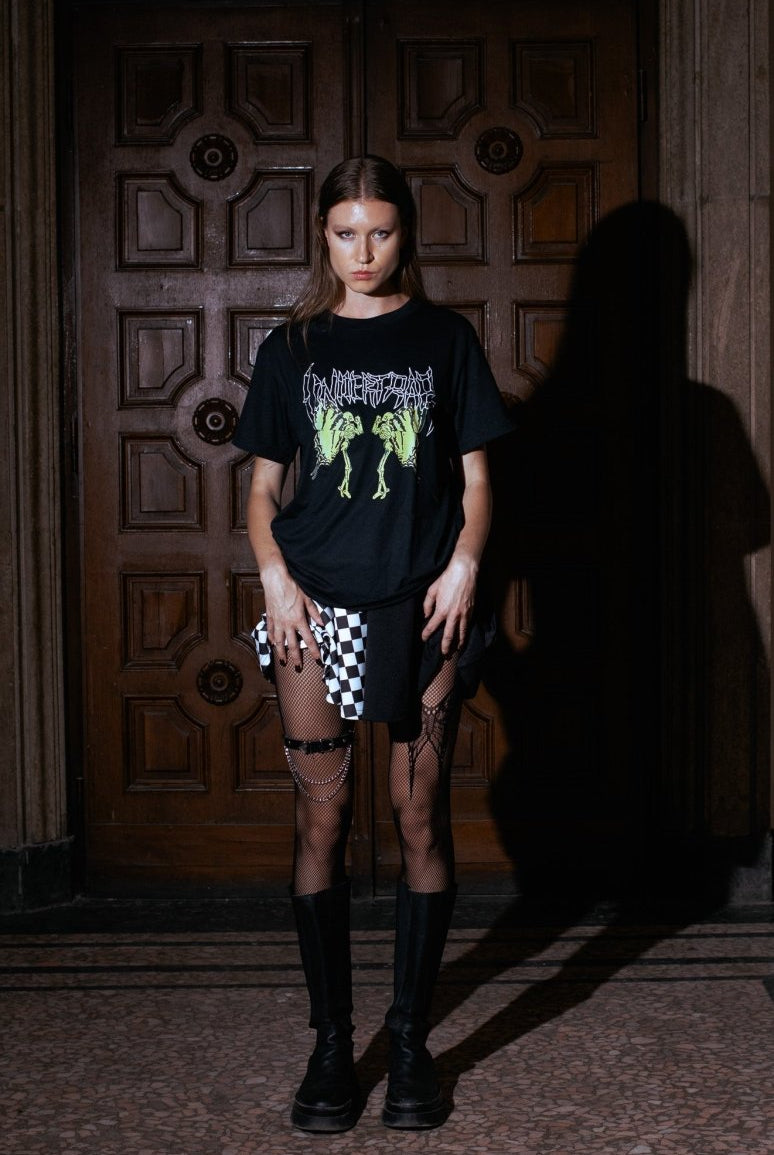
In dark-alt culture, "cursed" has a specific and earned meaning. It is the visual language of intentional darkness: occult symbols, gothic silhouettes, garments that feel like they arrived from another era or another story entirely. It sits at the intersection of witchcore, gothic romance, and the long lineage of subcultural dressing that runs from Bauhaus to Chelsea Wolfe to the Anne Rice resurgence happening on every BookTok corner right now. And in 2026, that aesthetic is having a cultural moment that goes well beyond the wardrobe.
What Does "Cursed" Mean as an Aesthetic?
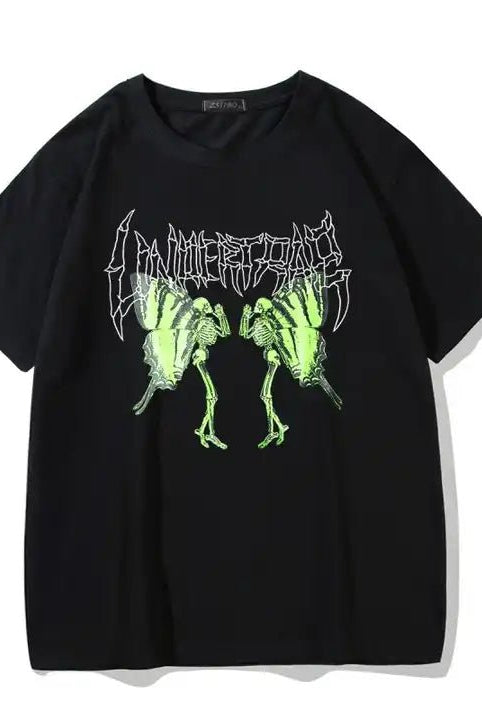
The word "cursed" entered internet vernacular as slang for the unsettling and the absurd, which is why the top search results for "cursed clothes" are currently occupied by Redbubble listings for dark-humour graphic tees and Danhausen wrestling merchandise. That intent is real and the products exist. But it is not the whole story.
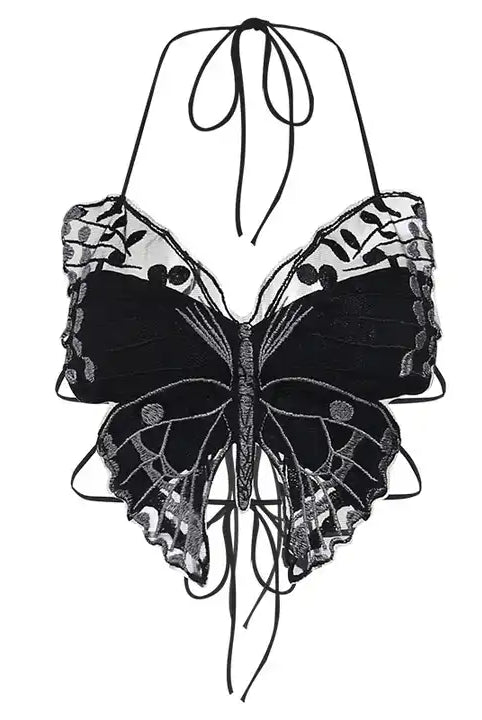
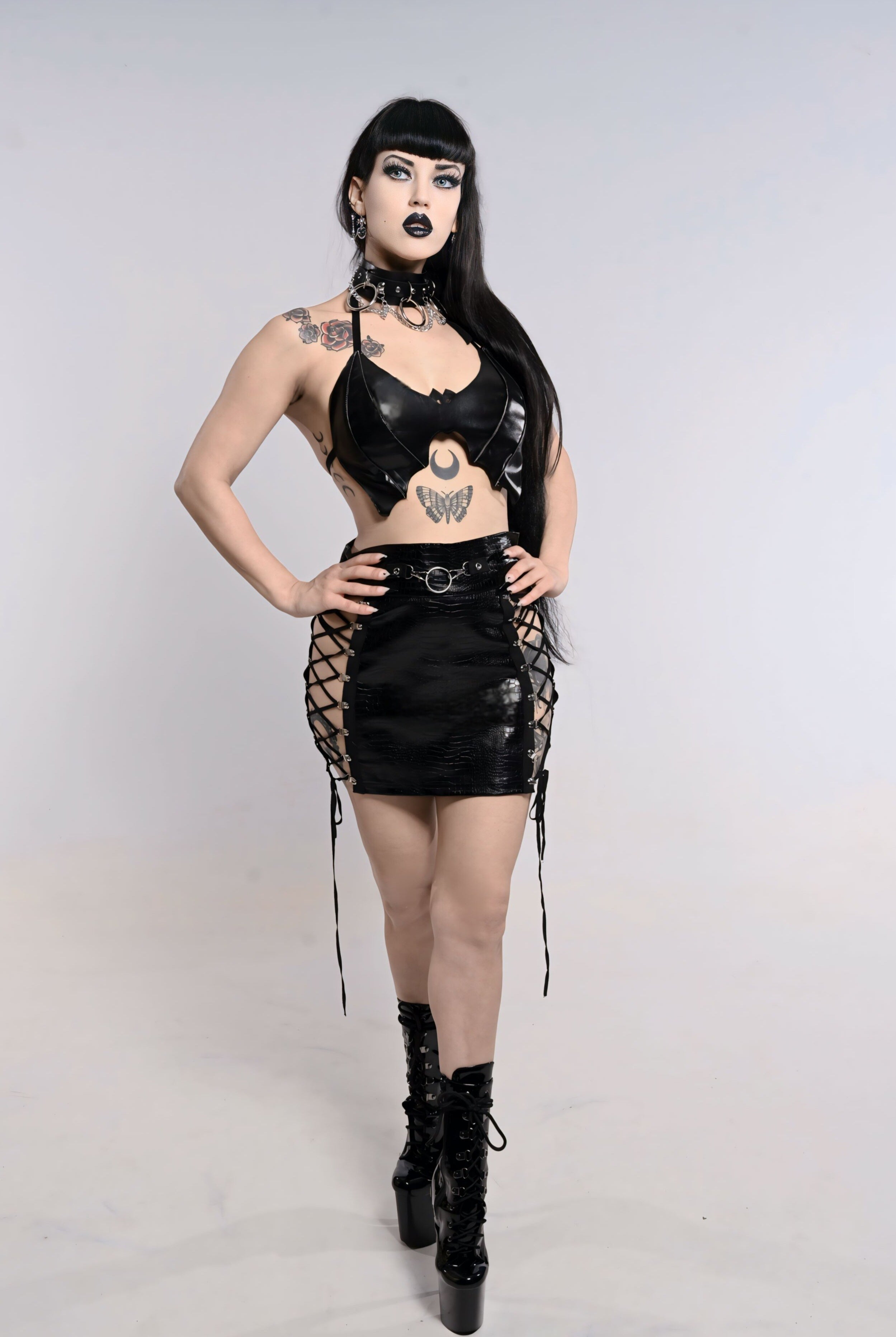
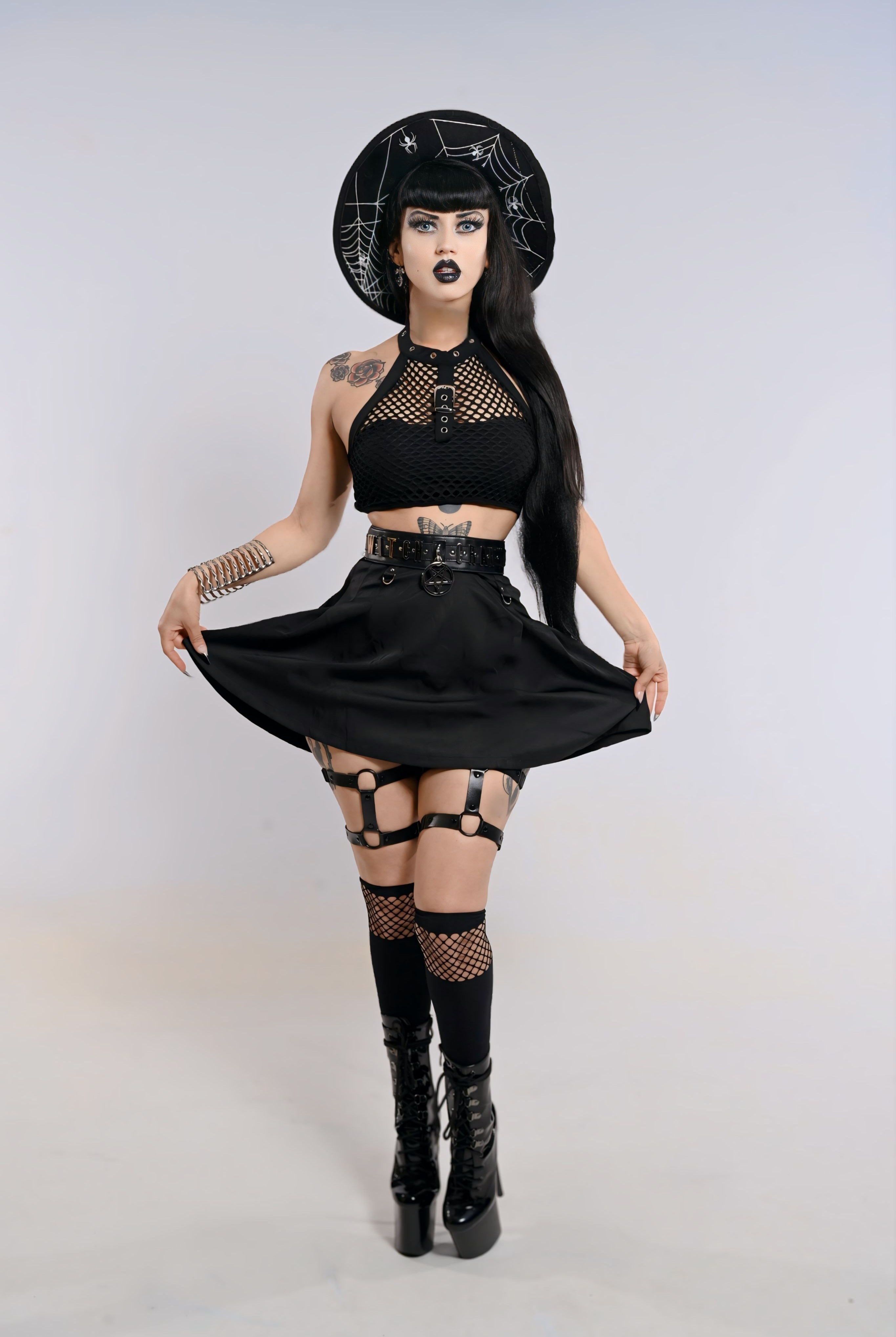
In the dark-alt community, "cursed" carries a second, older meaning. It refers to the deliberately gothic, the occult-adjacent, the kind of garment or object that feels like it belongs in a different world entirely. A Carmilla-inspired bias-cut slip. A celestial harness worn over a Victorian blouse. A home altar covered in matte black candlesticks and dried florals. This is the "cursed" that does not live on print-on-demand sites; it lives in the subcultural imagination and, increasingly, in people's wardrobes and living rooms.
The trend data confirms it. Pinterest's 2025 Trend Report recorded a 60% rise in searches for "Carmilla aesthetic," a 40% rise in "masquerade decor," and a 175% surge for "poet aesthetic." RUSSH declared 2026 the Year of the Witch in February, pointing to an editorial consensus across fashion and interiors that gothic, witchy, and dark-romantic aesthetics are moving from subculture margin to cultural foreground. LivingSpaces's 2026 Decor Trends Report predicted 29% interest growth in gothic decor, noting it is becoming "sophisticated and romantic" rather than distressed.
This is not a Halloween moment. It is a long aesthetic arc arriving at its widest point, and the people searching "cursed clothes" in this register know exactly what they want.
The Cursed Wardrobe: What It Actually Looks Like
Think of the RUSSH definition: bias-cut black dresses, velvet capes, corseted waists, oxblood and forest green, lace that feels inherited rather than bought. Now add the references the customer is carrying in her head when she searches: Practical Magic and its herb-strung kitchen, the ballroom scenes in Crimson Peak, the languorous darkness of Carmilla. Chelsea Wolfe on a night drive. Stevie Nicks, but the version from a tarot reading rather than a festival.
The cursed wardrobe is built around a few specific pieces:
- The gothic dress, bias-cut, floor-length or midi, washed satin or velvet, black or oxblood. The foundational garment of the cursed clothes aesthetic.
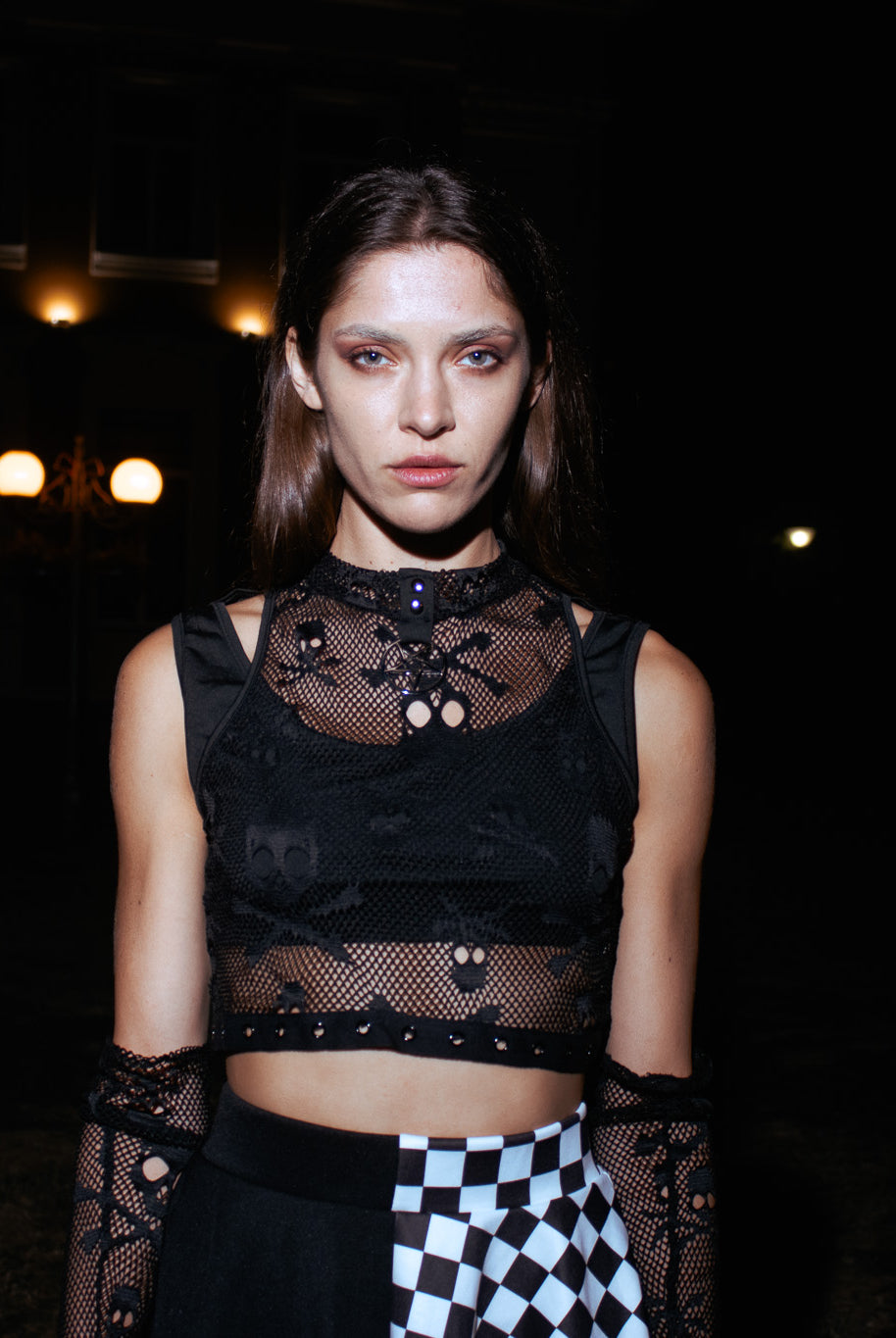
- The corset, not as costume, but as structure; Victorian-influenced, worn over a blouse or mesh top.
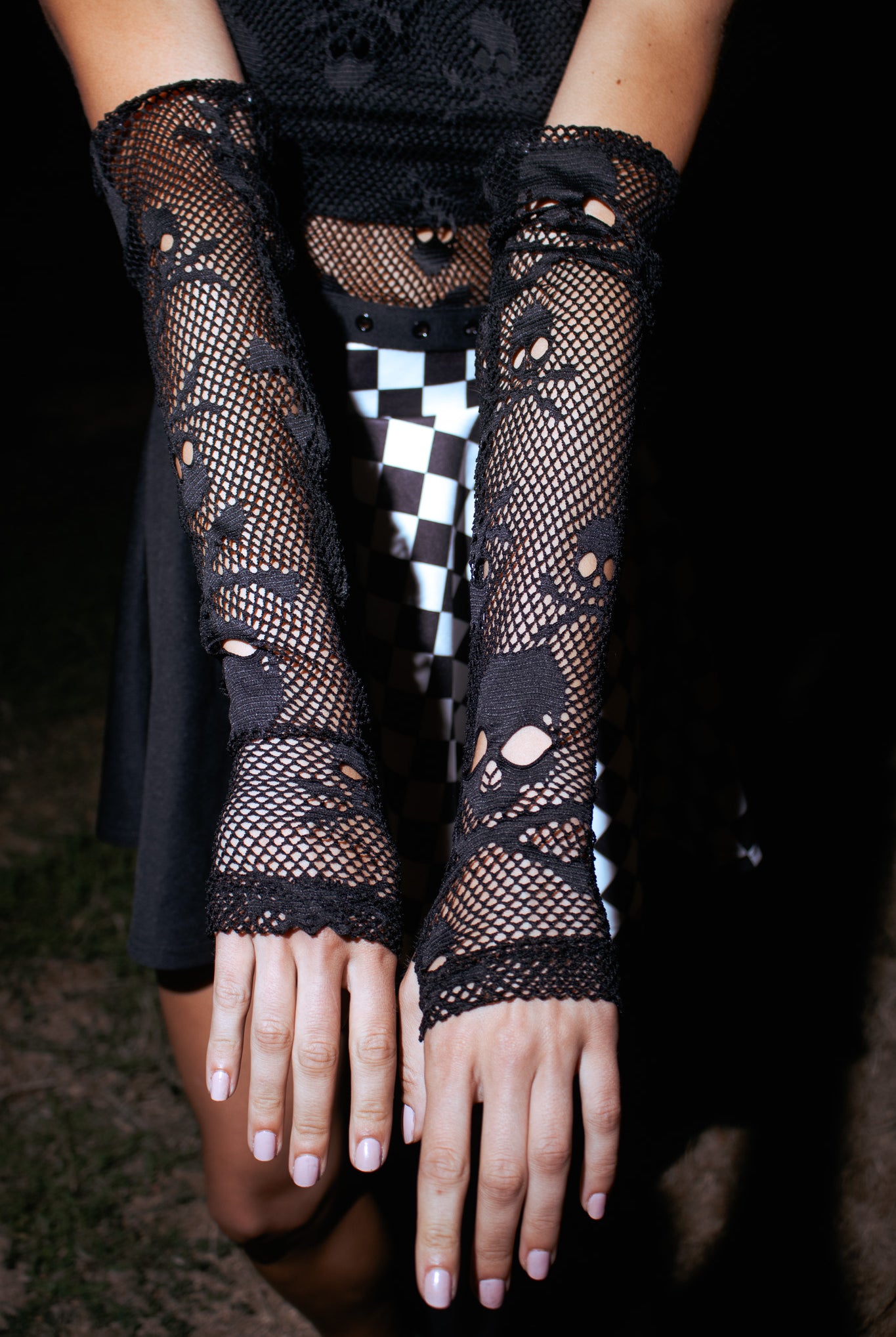
- The statement sleeve, trailing, lace-edged, or bishop-cut. A silhouette that reads as another era.
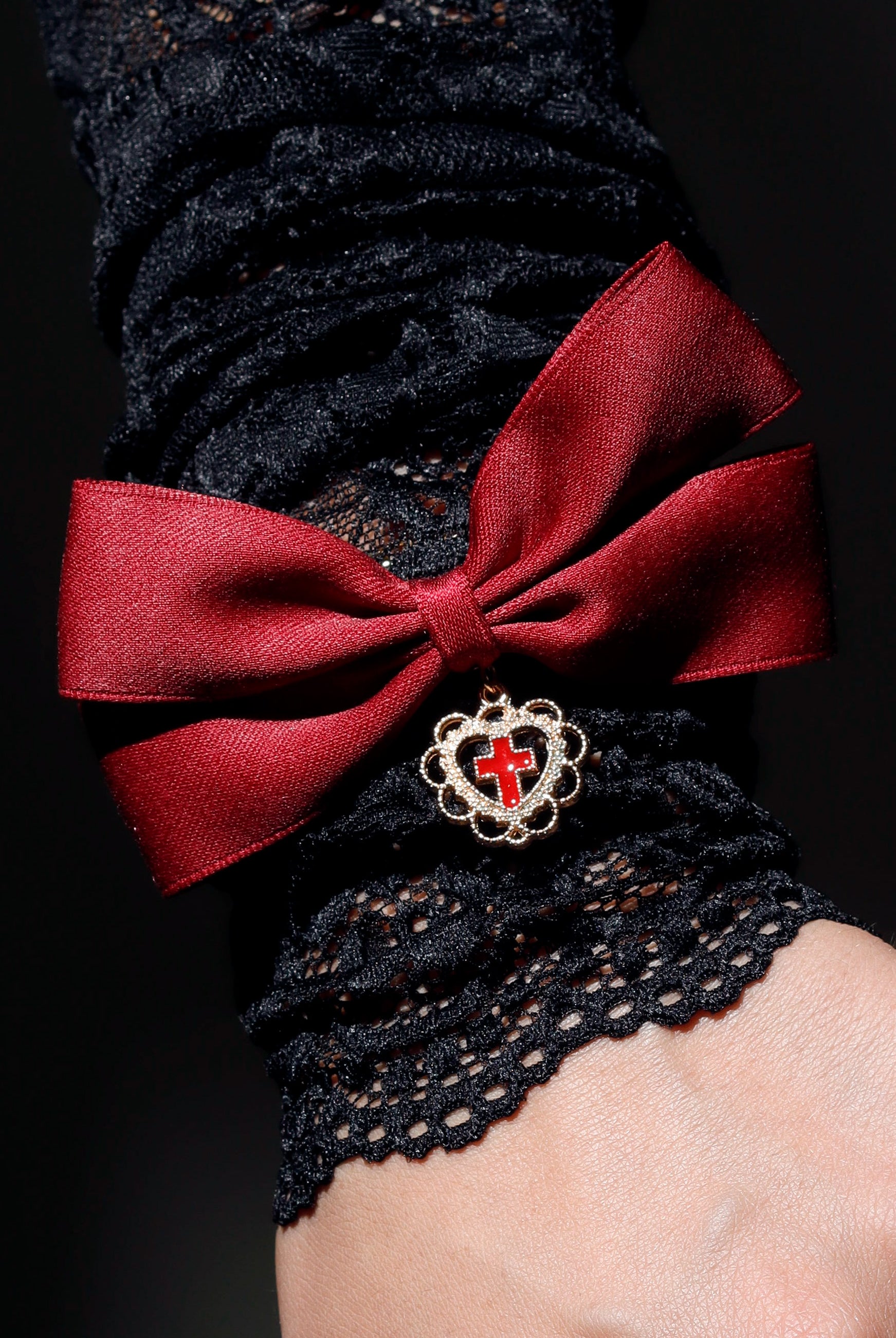
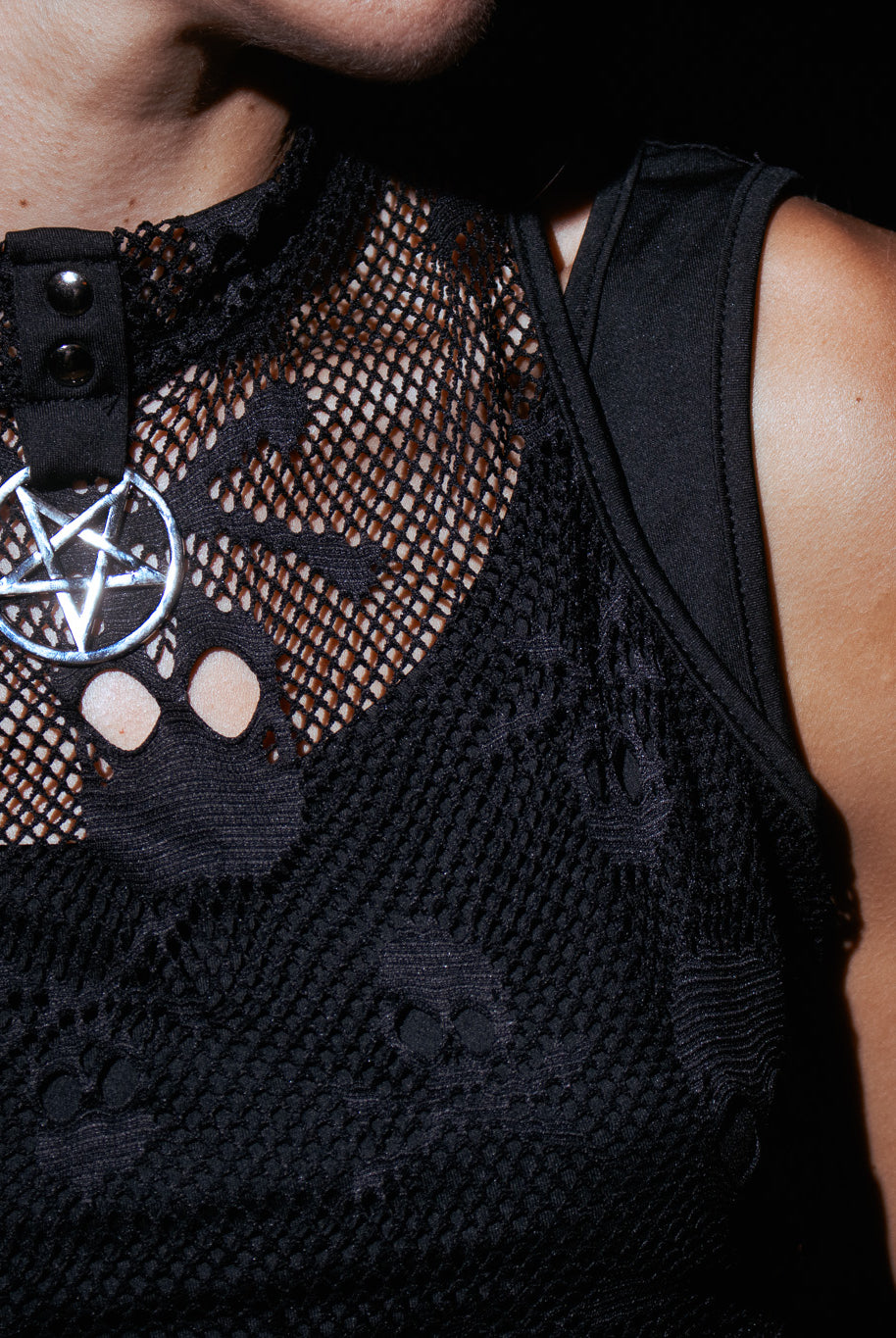
- Celestial jewellery, moon phases, pentagrams, eclipse motifs; worn layered and without apology.
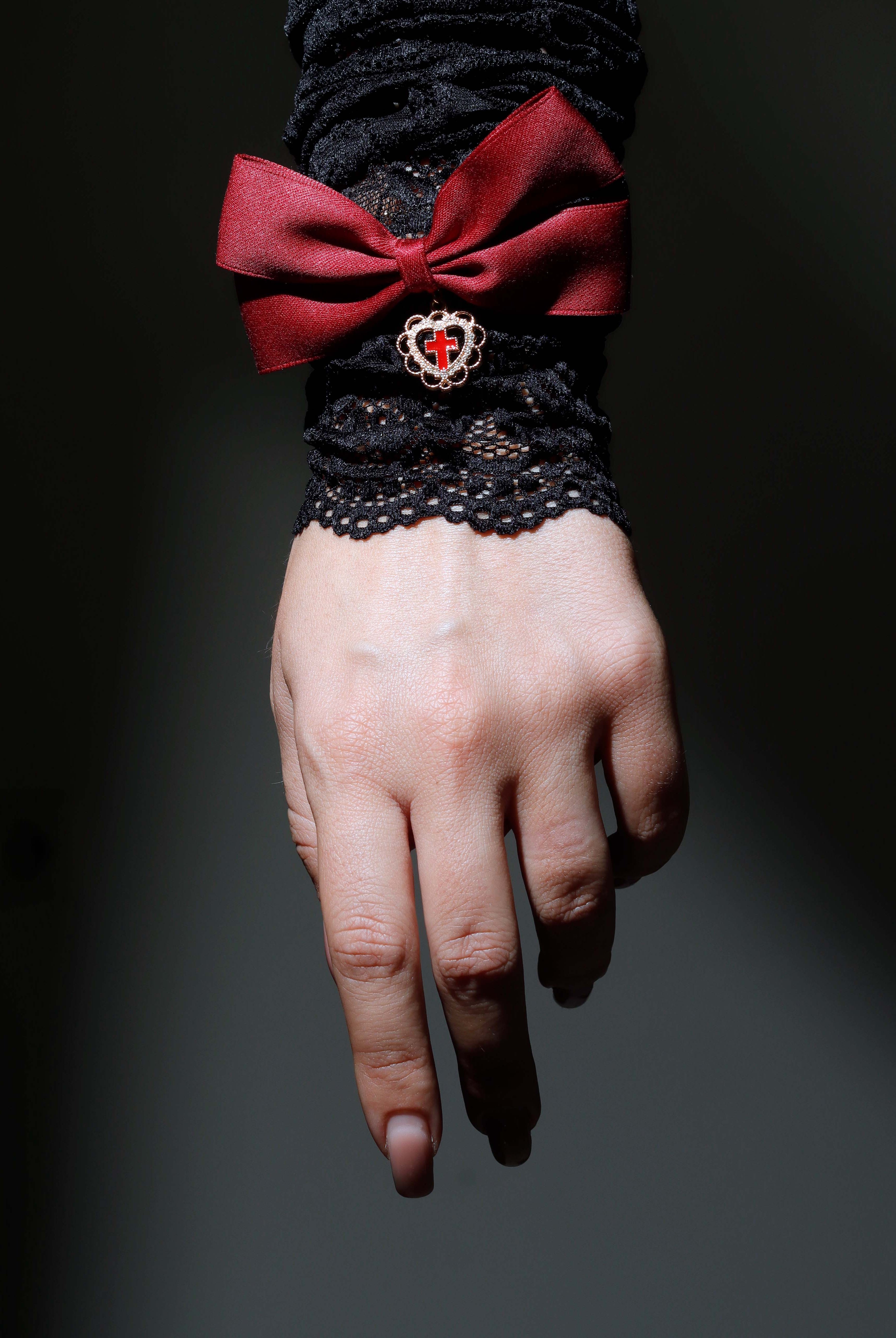
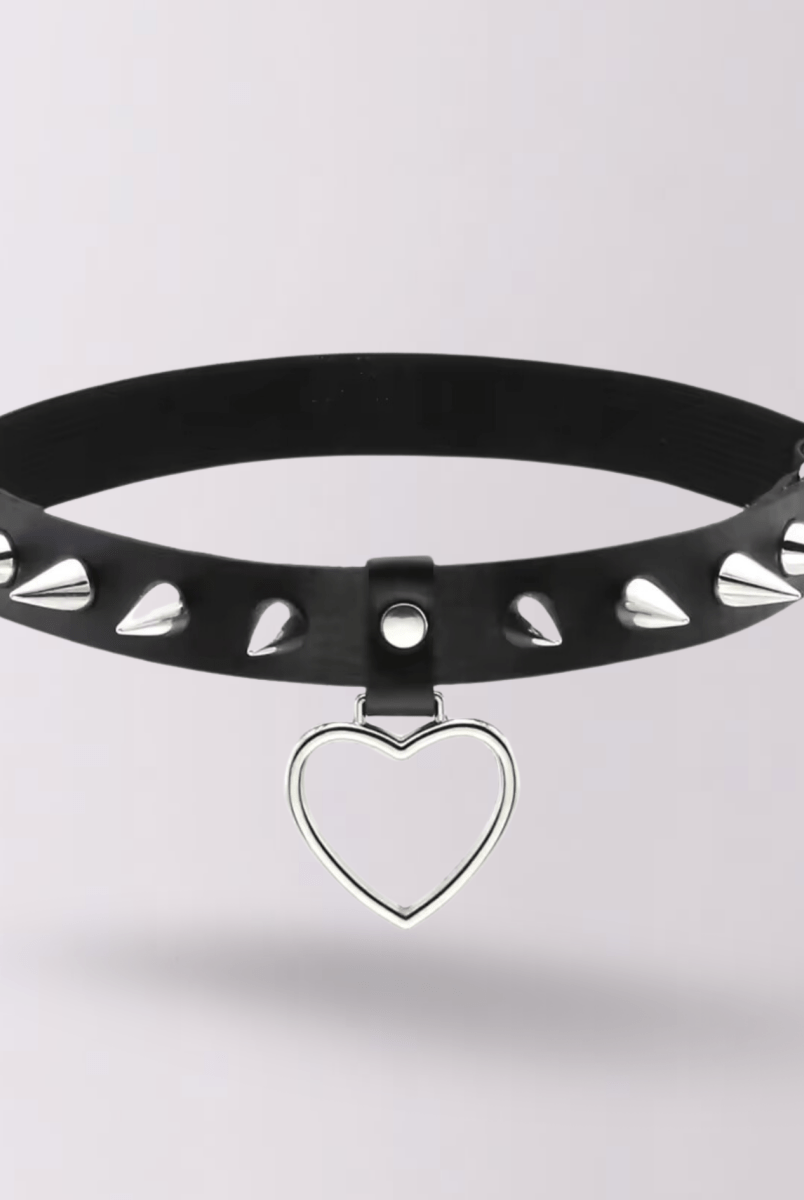
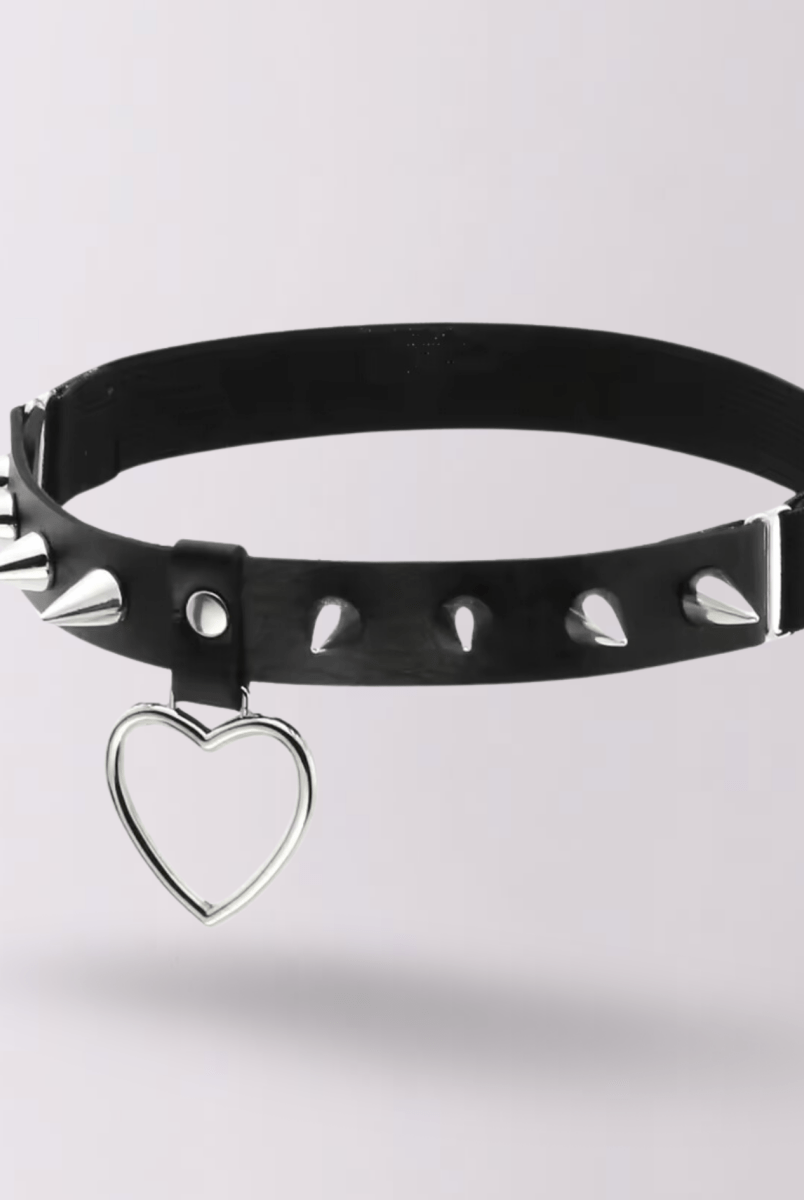
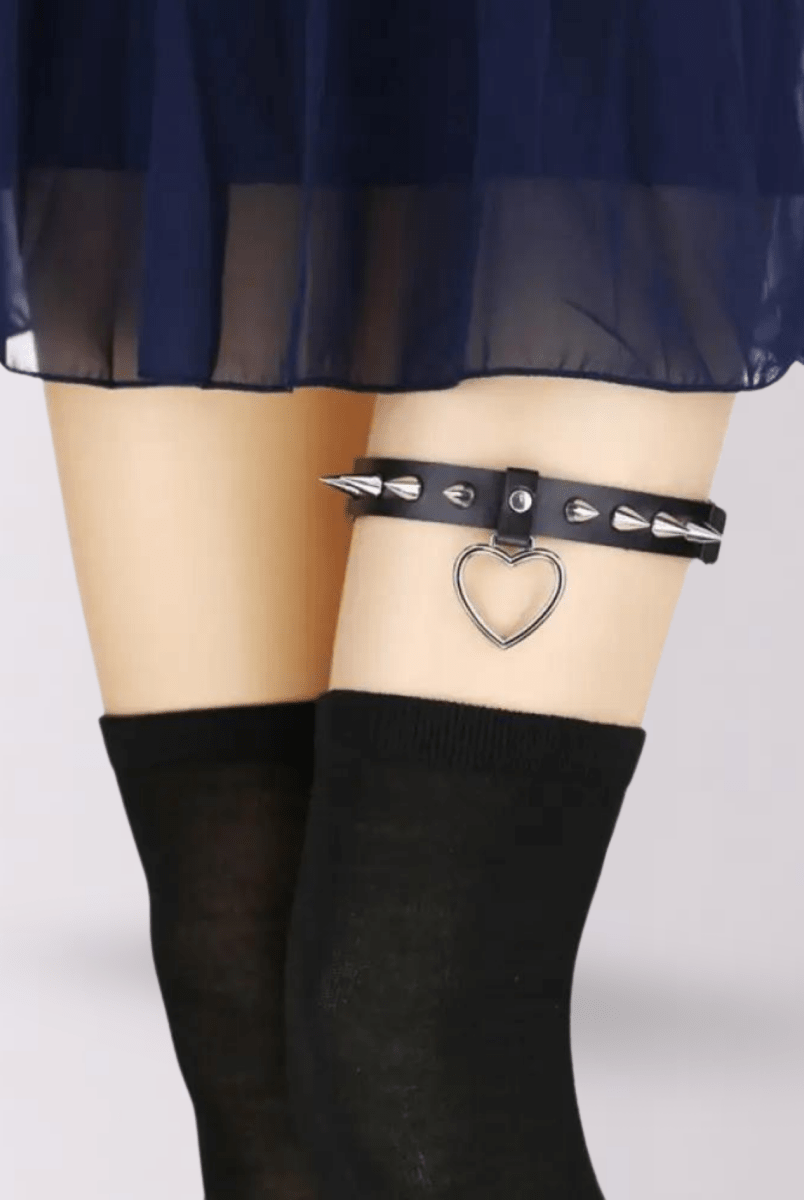
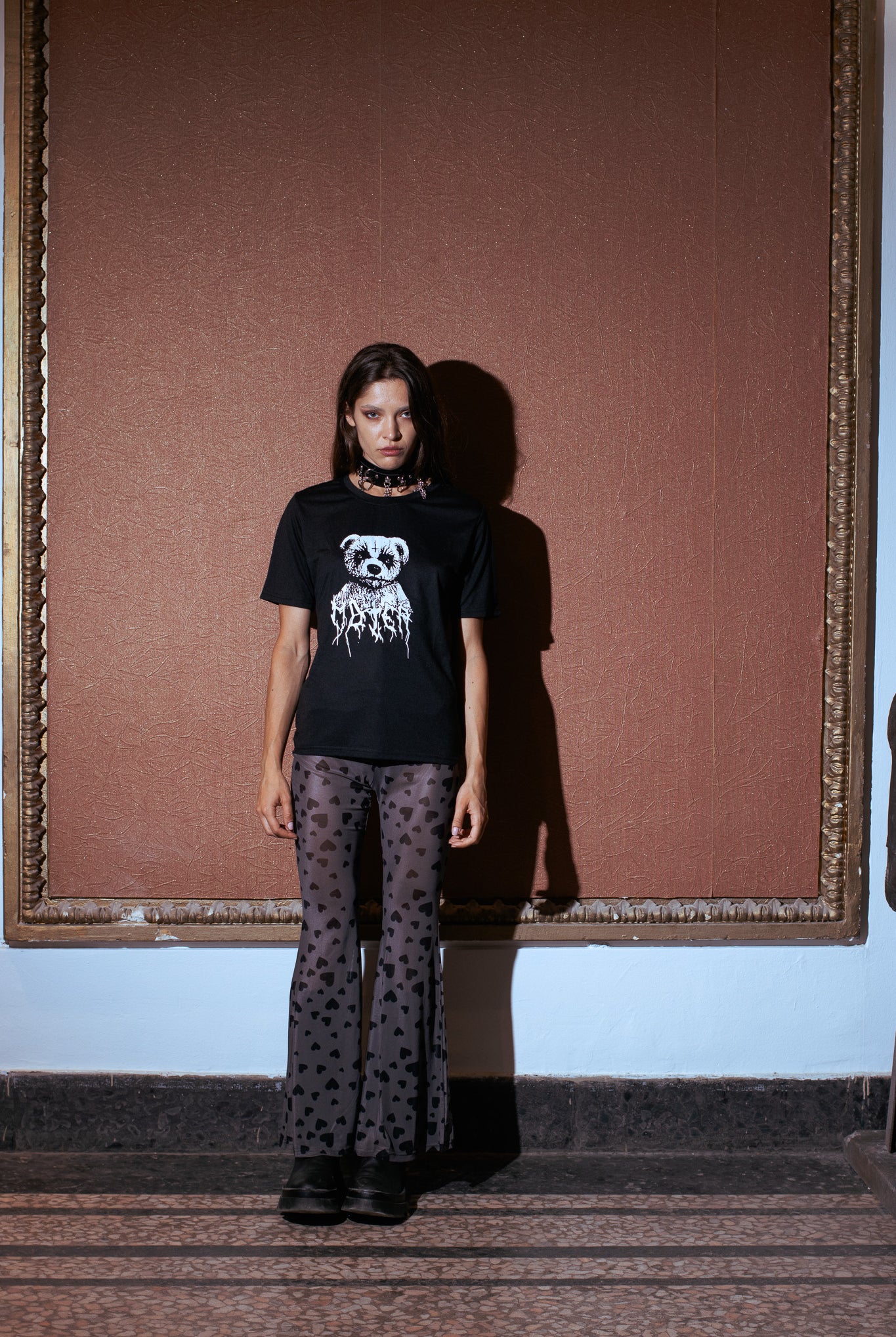
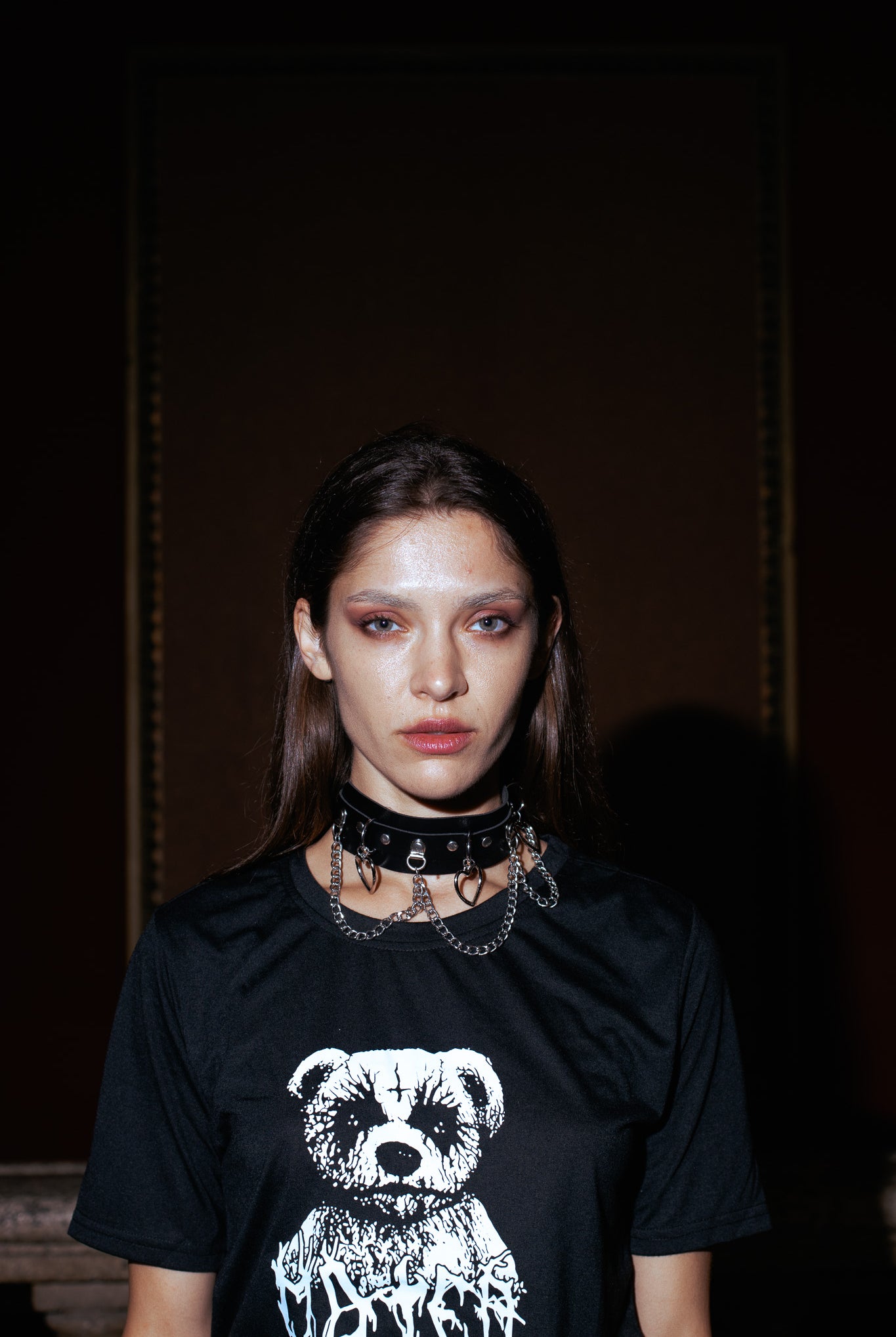
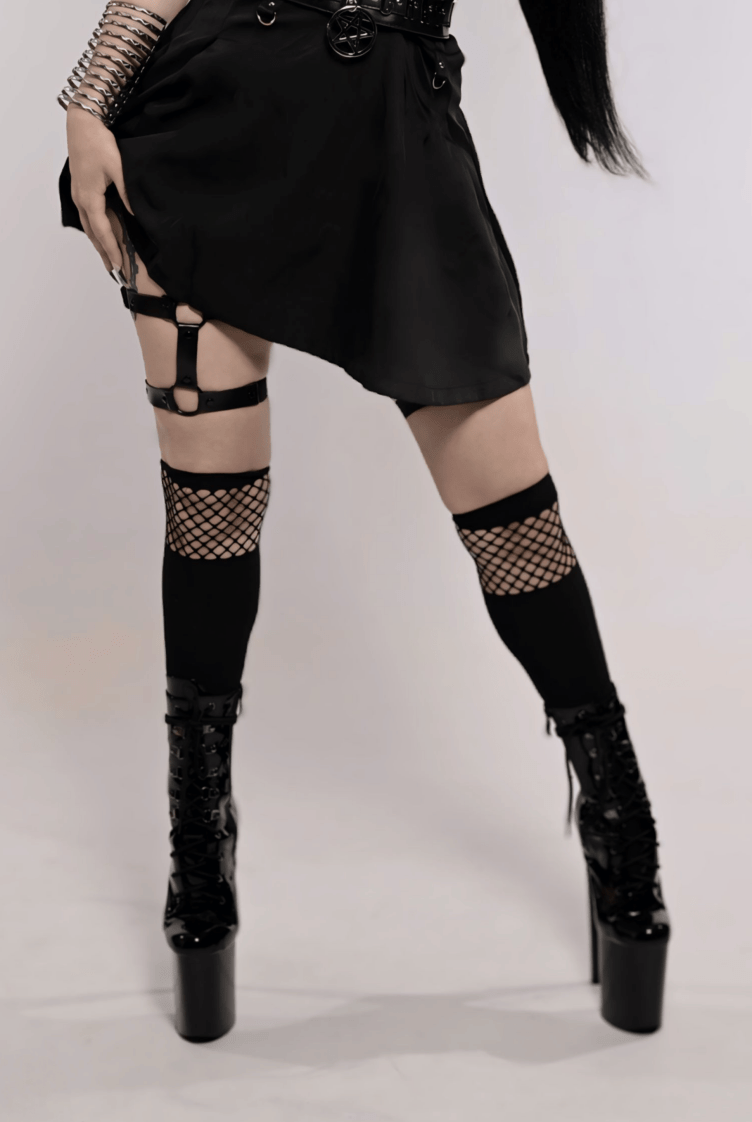
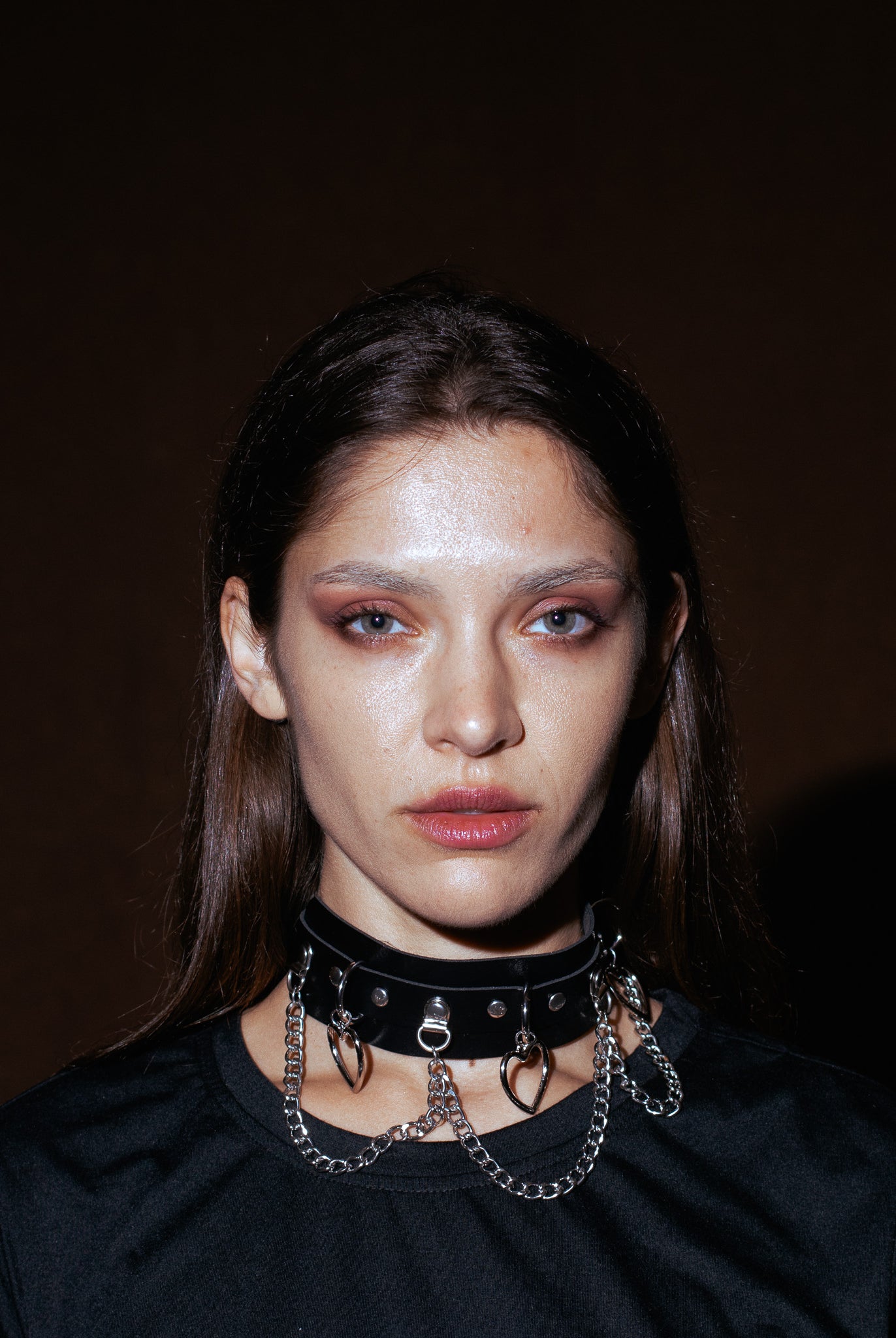
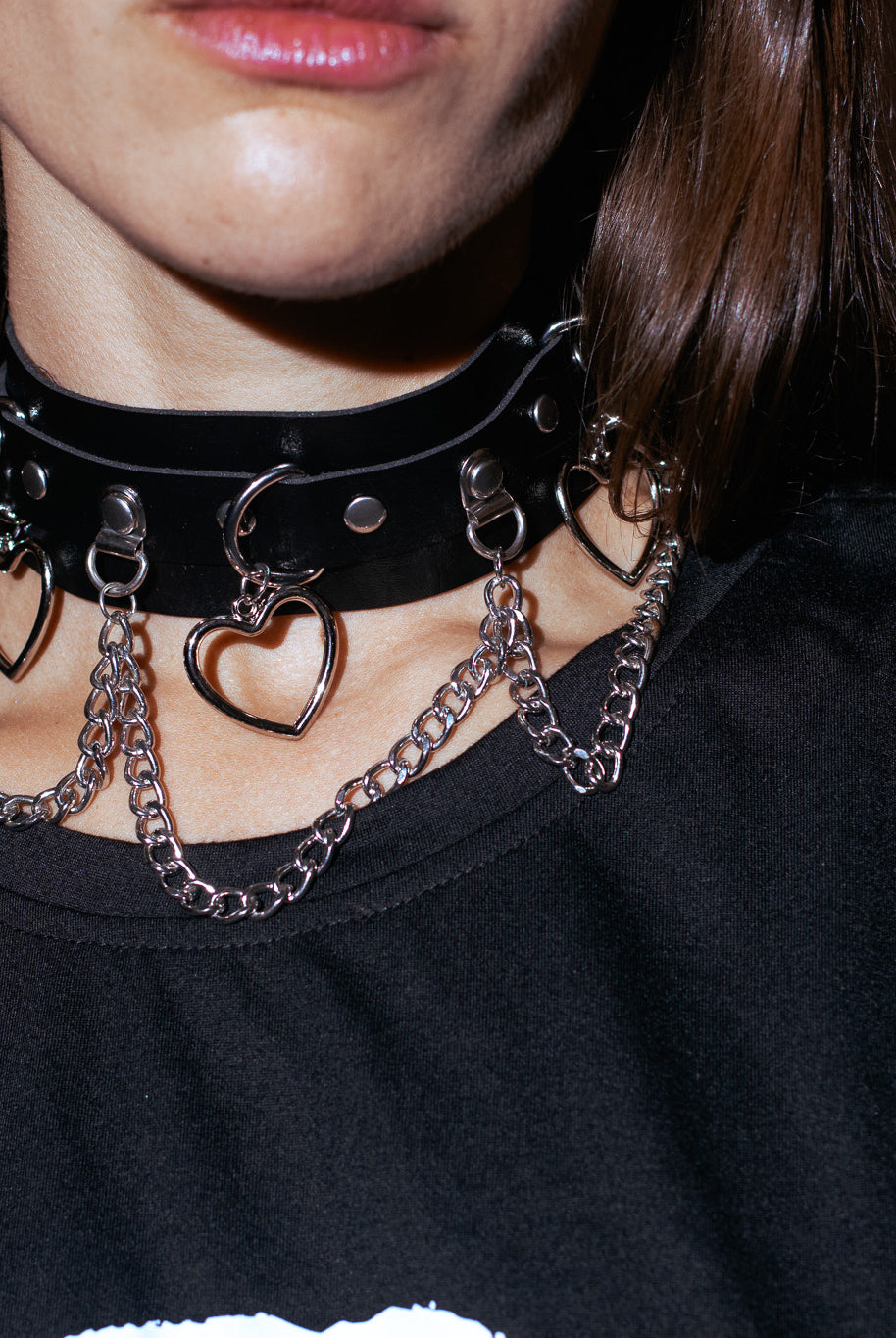
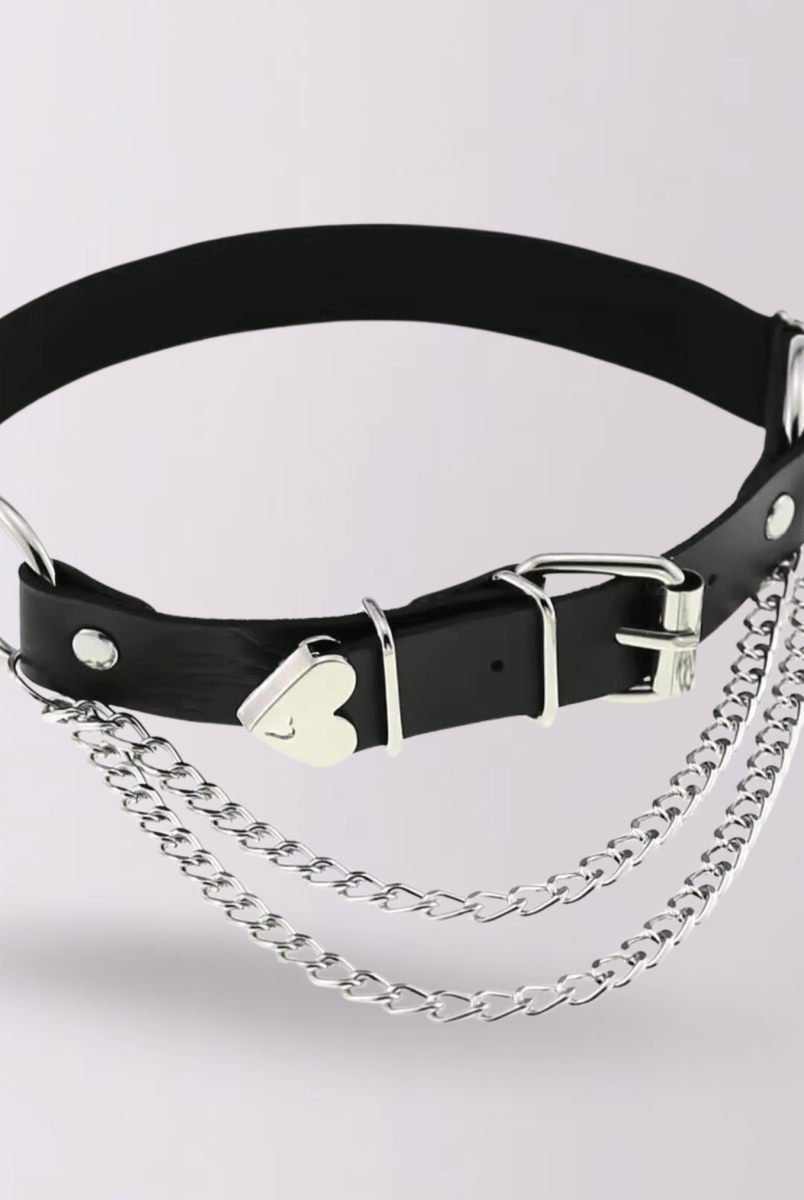
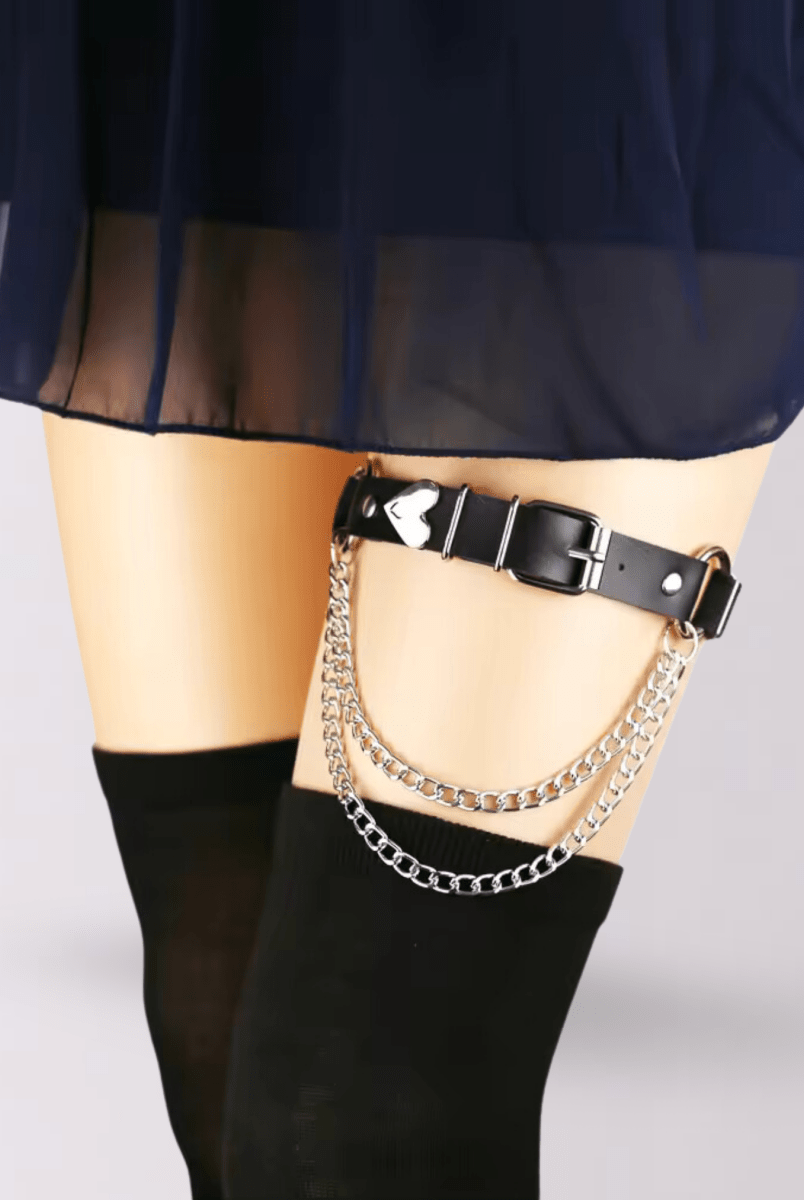
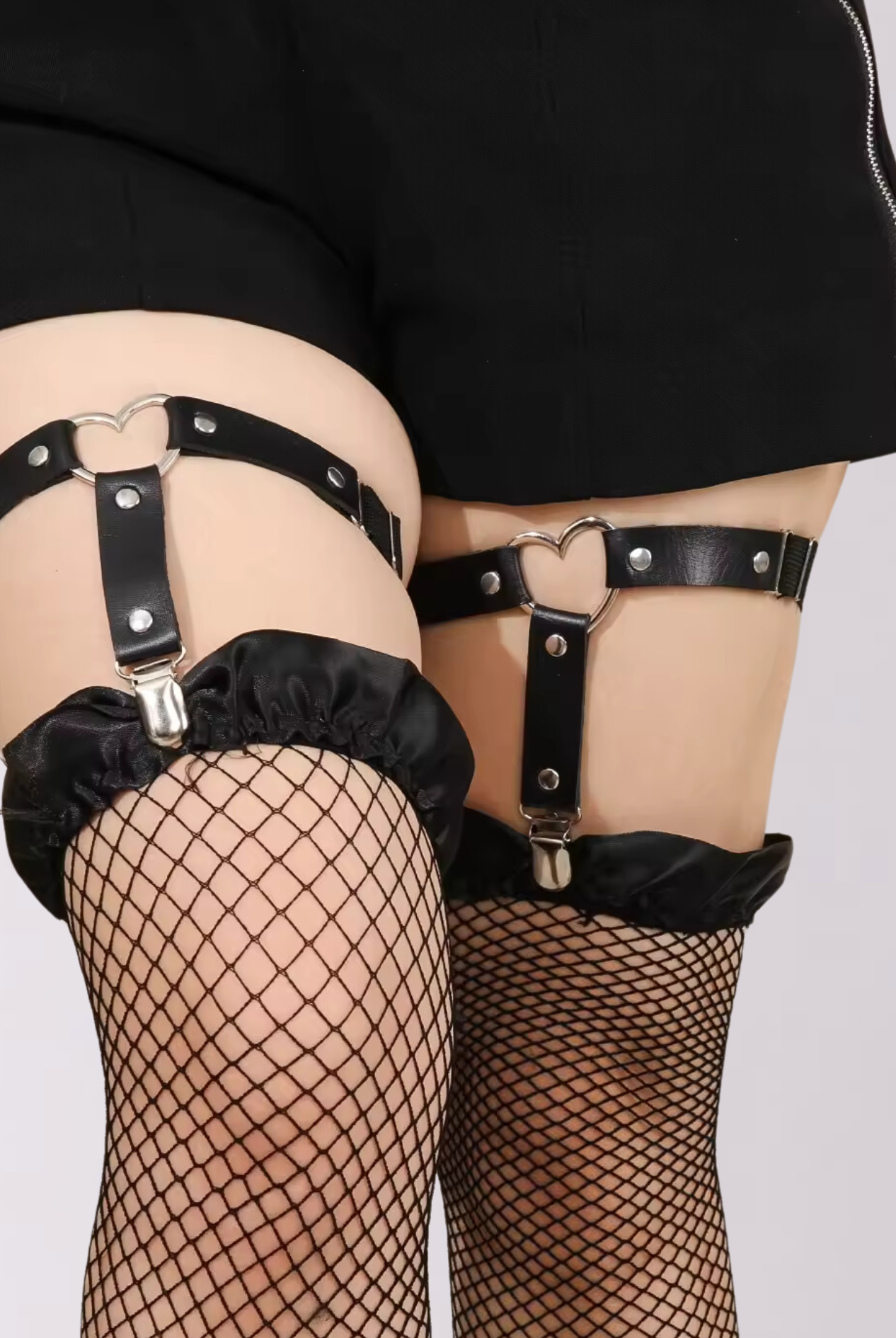
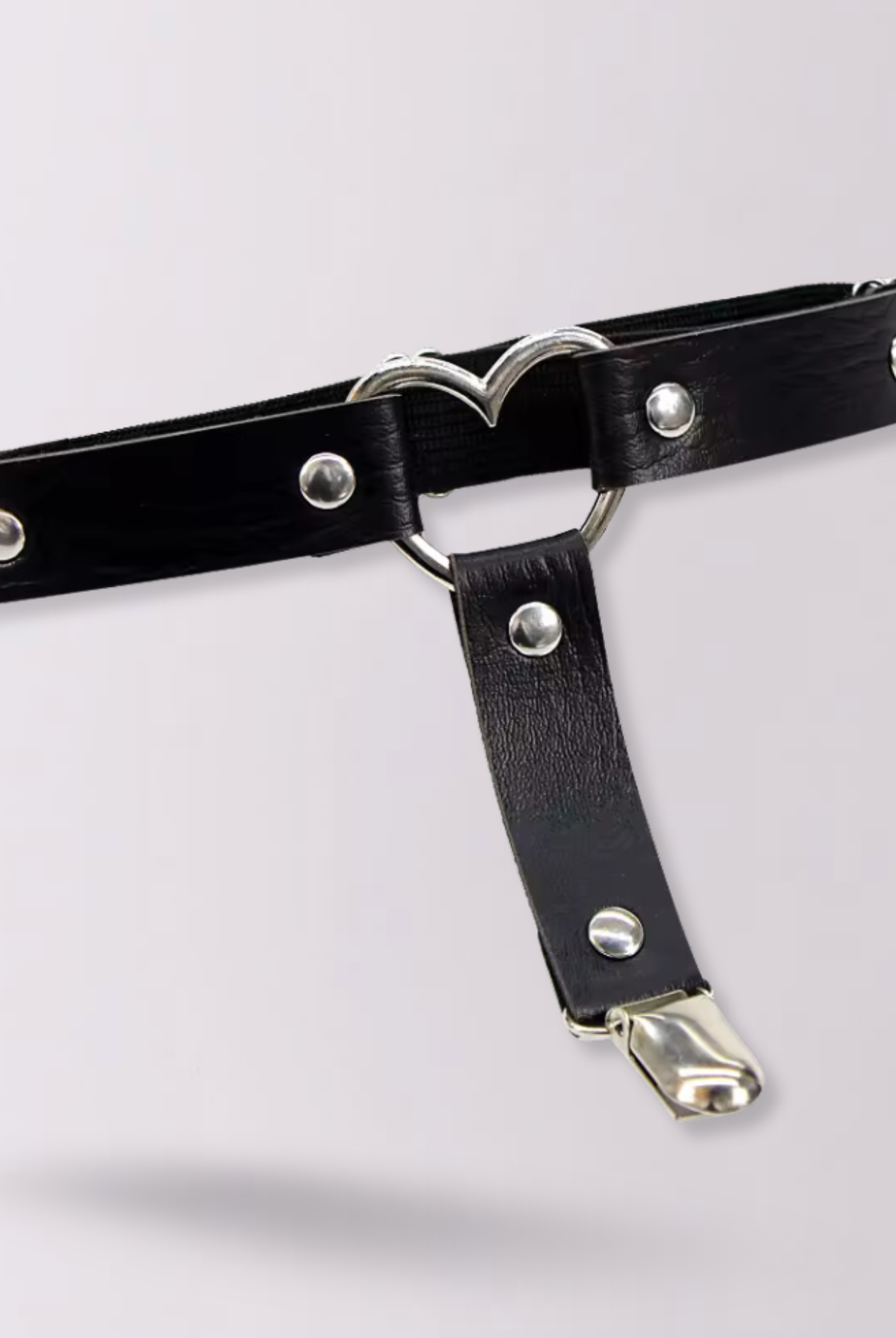
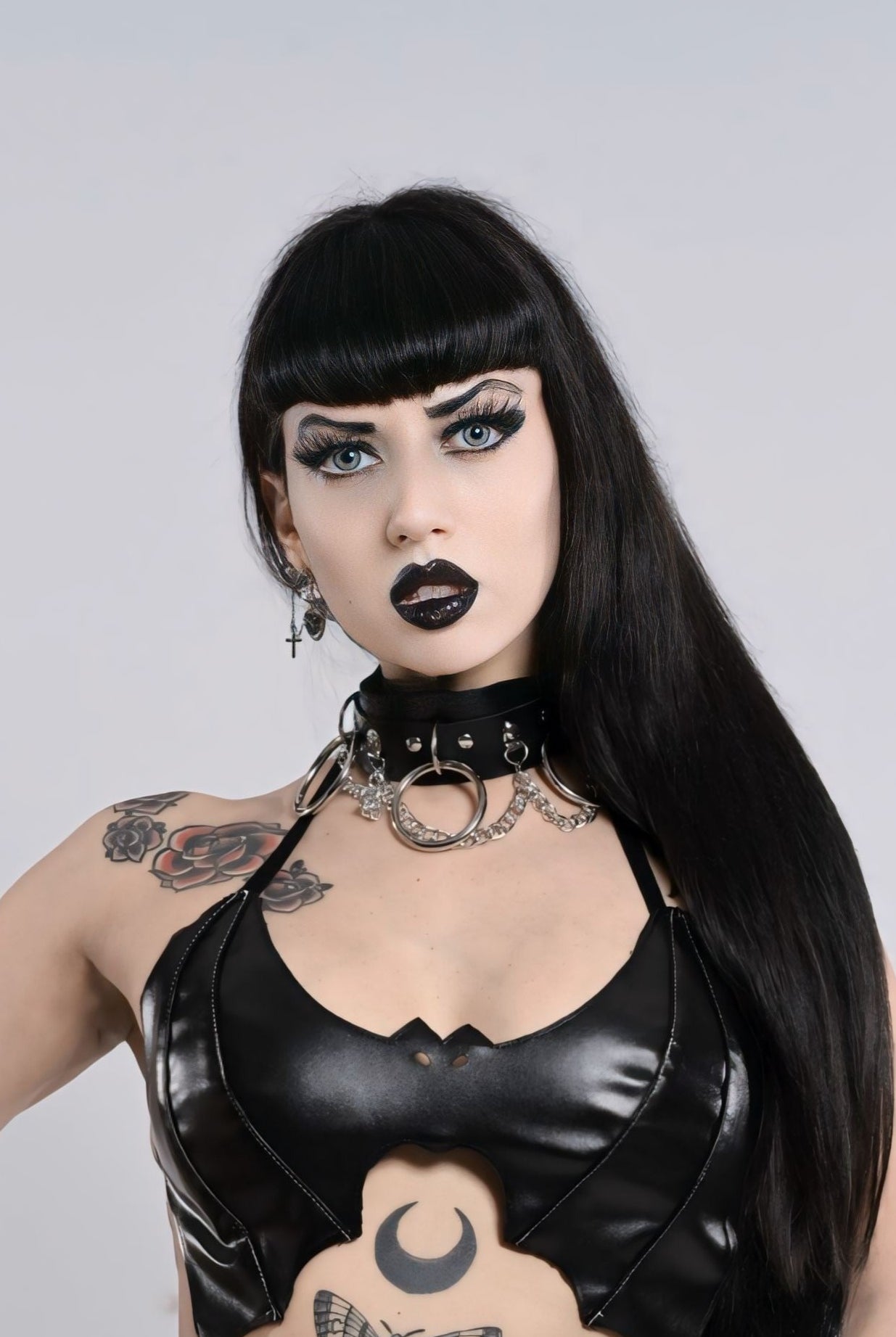
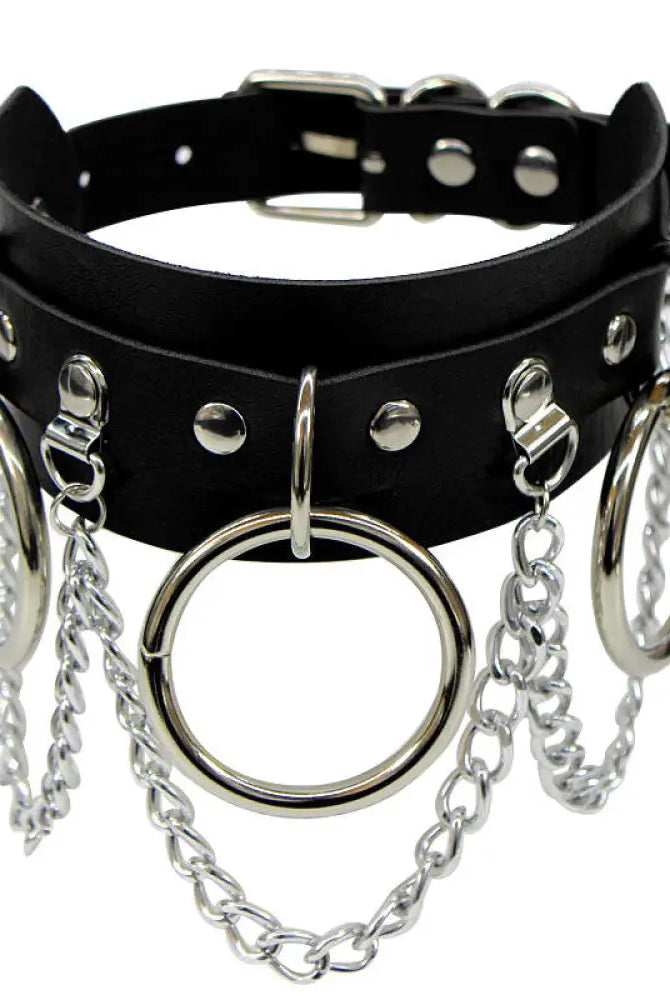
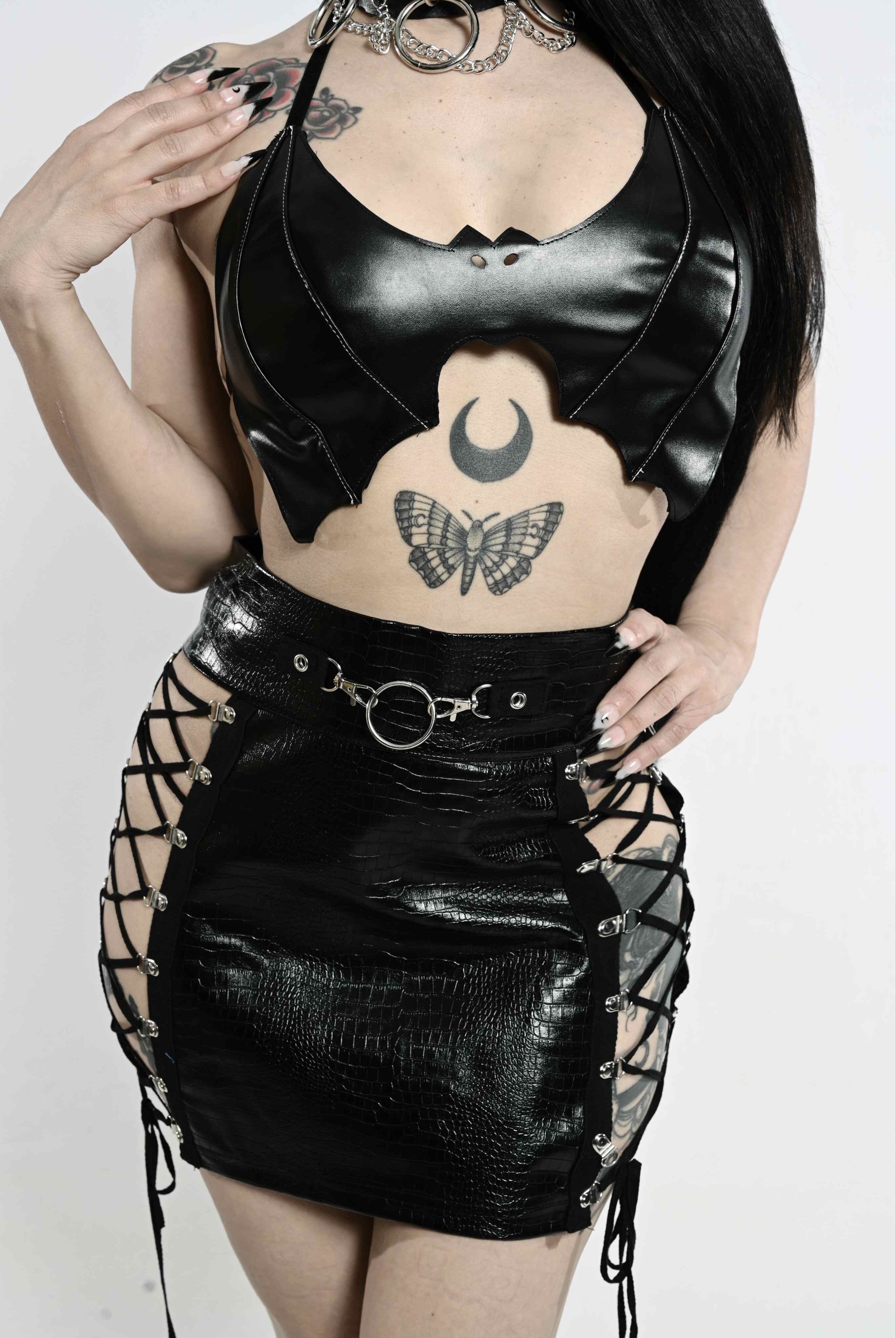
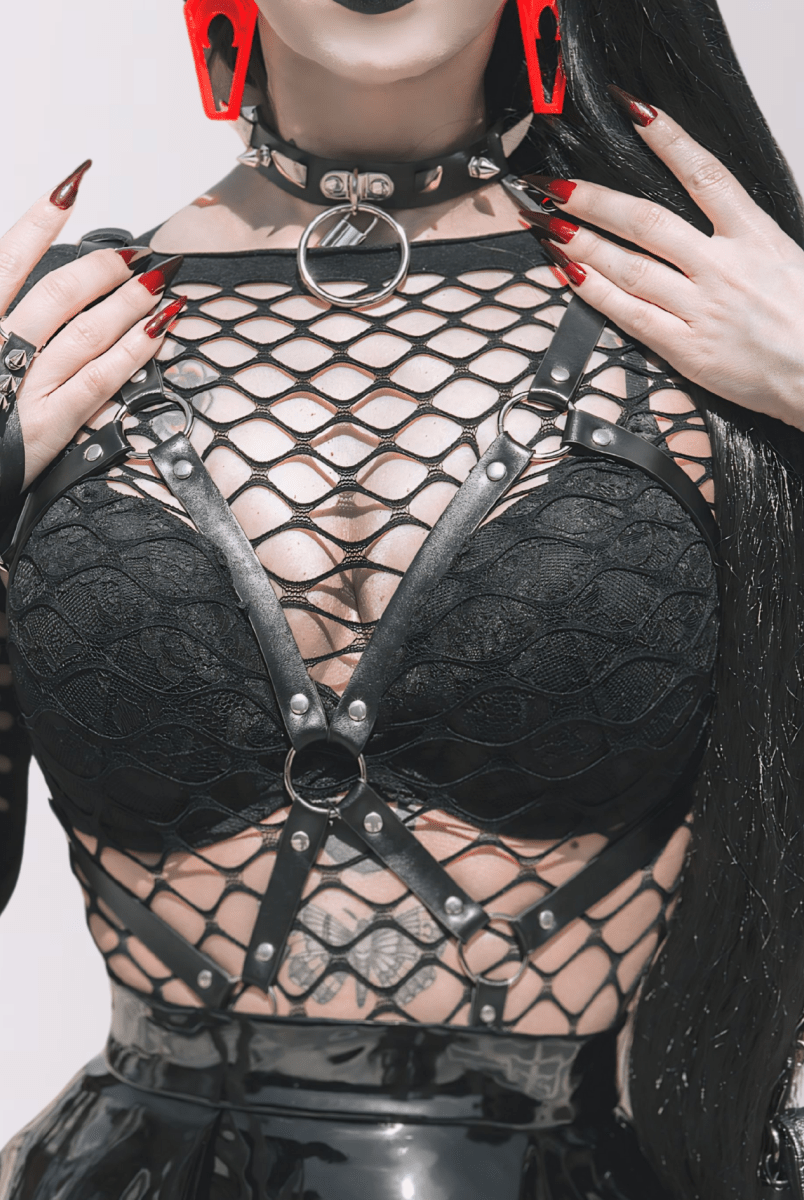
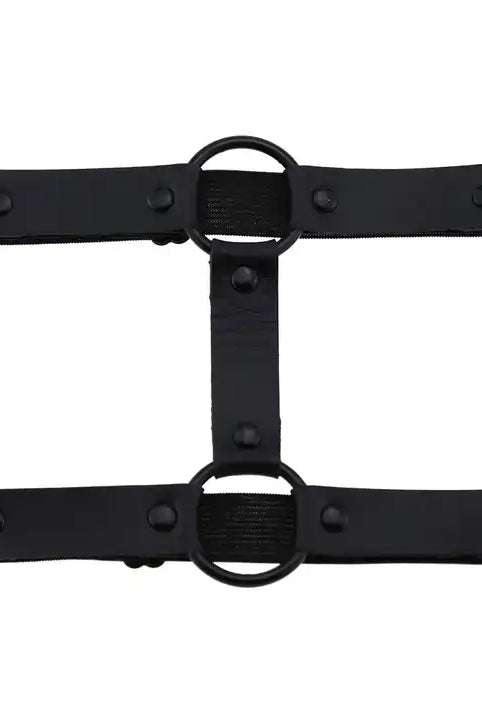
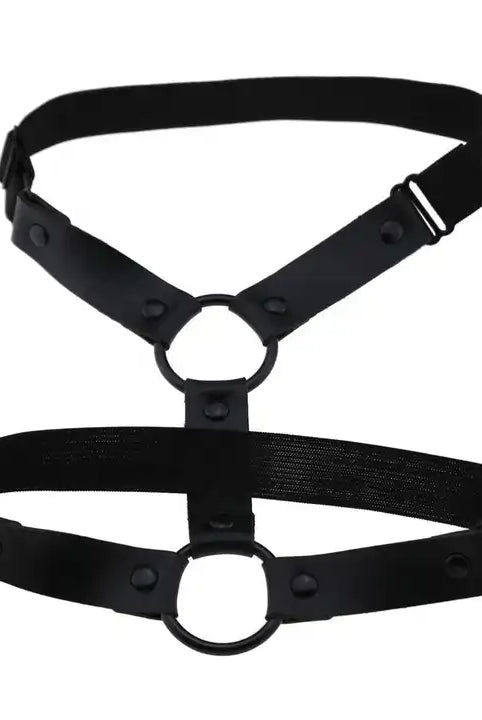
- The harness or choker, the edge that separates gothic romance from vintage revival.
When Mara bought her first piece from TCC last autumn, she was three years out of her Killstar phase and had spent most of that time buying nothing, unconvinced anything on the market understood what she was actually after. She wasn't looking for a Halloween costume or a graphic tee. She wanted a dress that matched the playlist she'd had on loop since The Fall of the House of Usher dropped. The gothic dresses collection was where she finally stopped scrolling.
The corsets collection follows the same principle: structured, Victorian-influenced pieces that serve the cursed wardrobe rather than a costume rail. And the gothic jewellery collection completes the layered look the community is building, piece by piece, from a brand it can actually trust.
The Goth Skirt, the Harness, and the Rest of the Kit
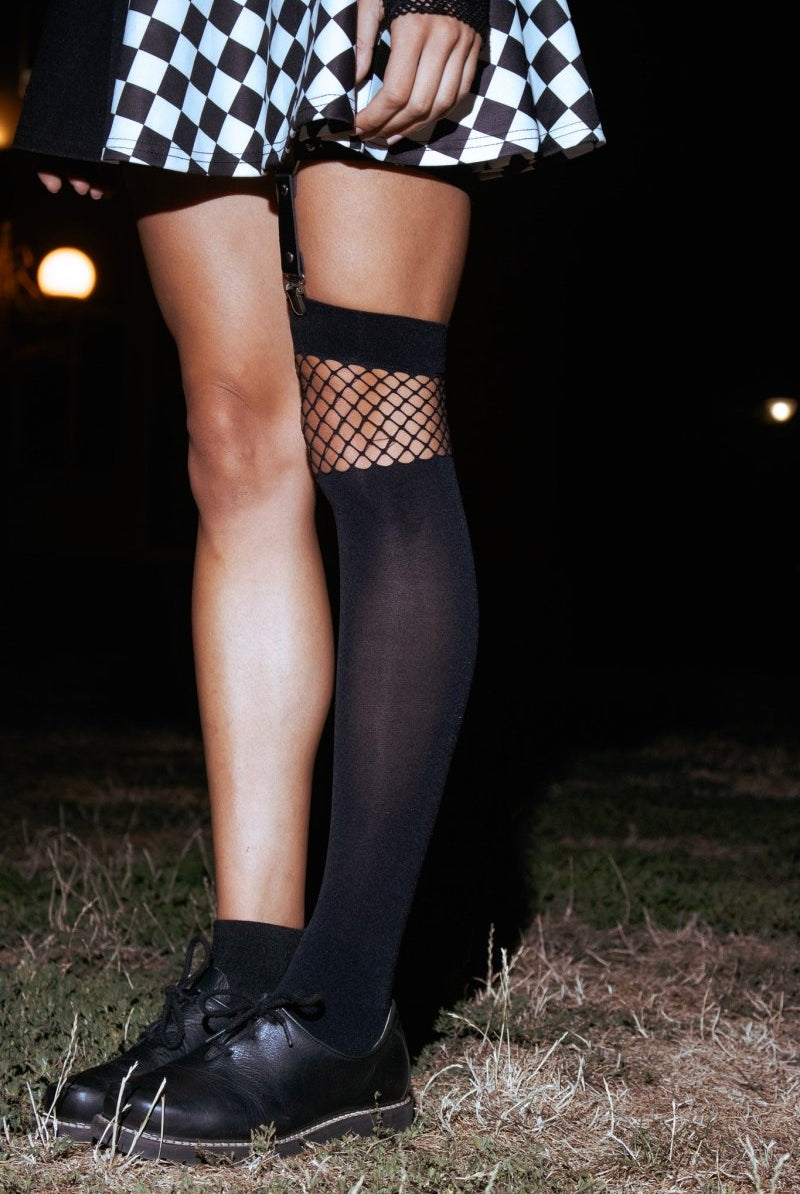
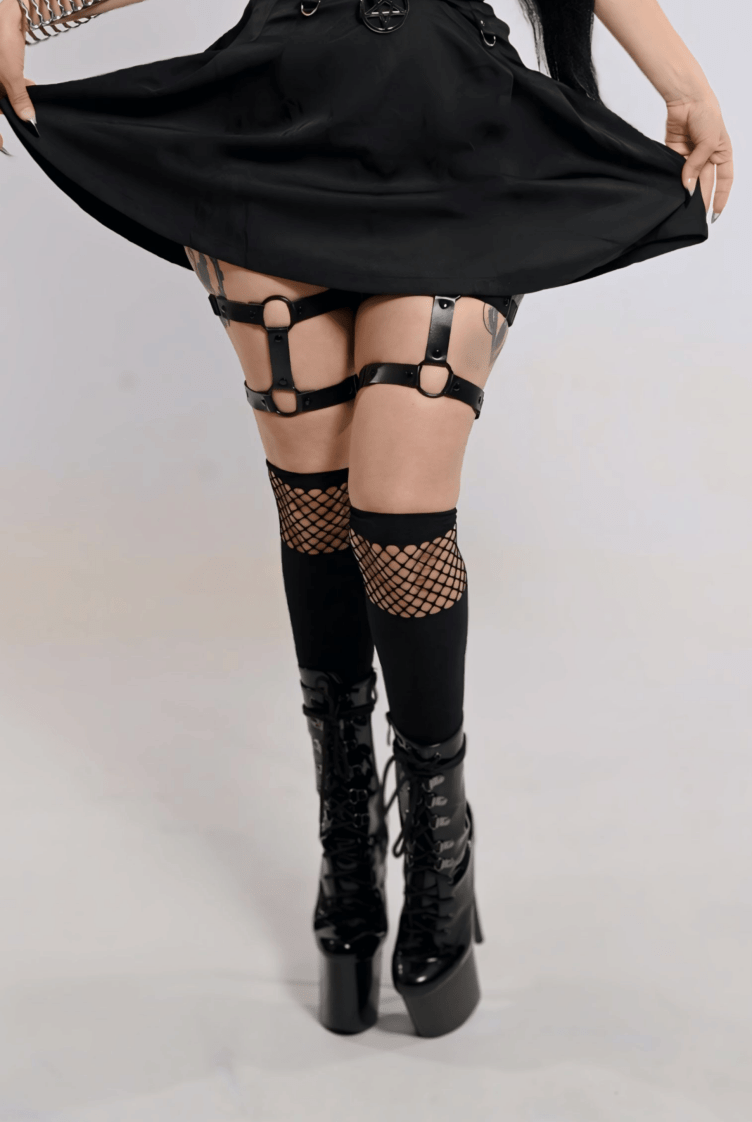
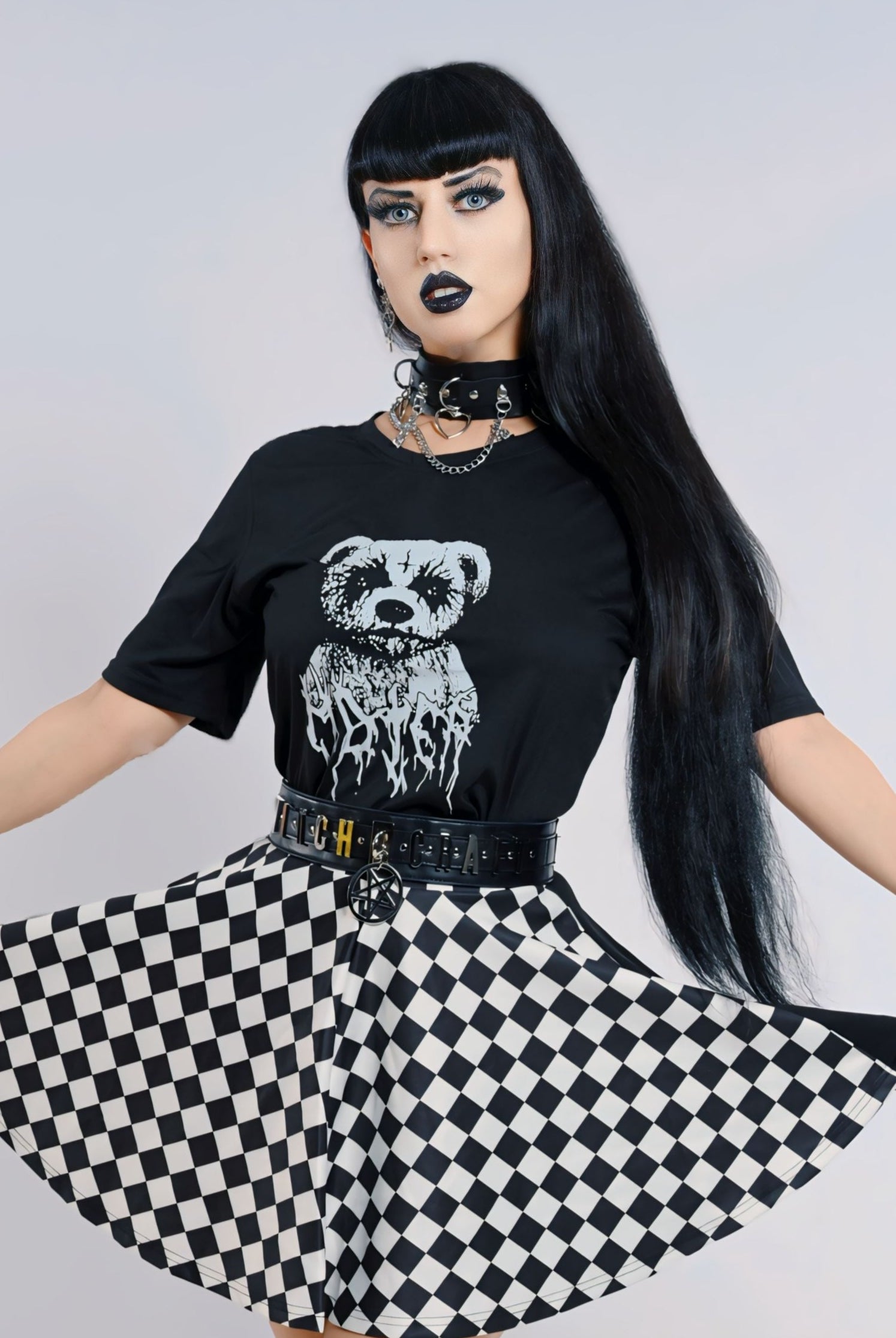
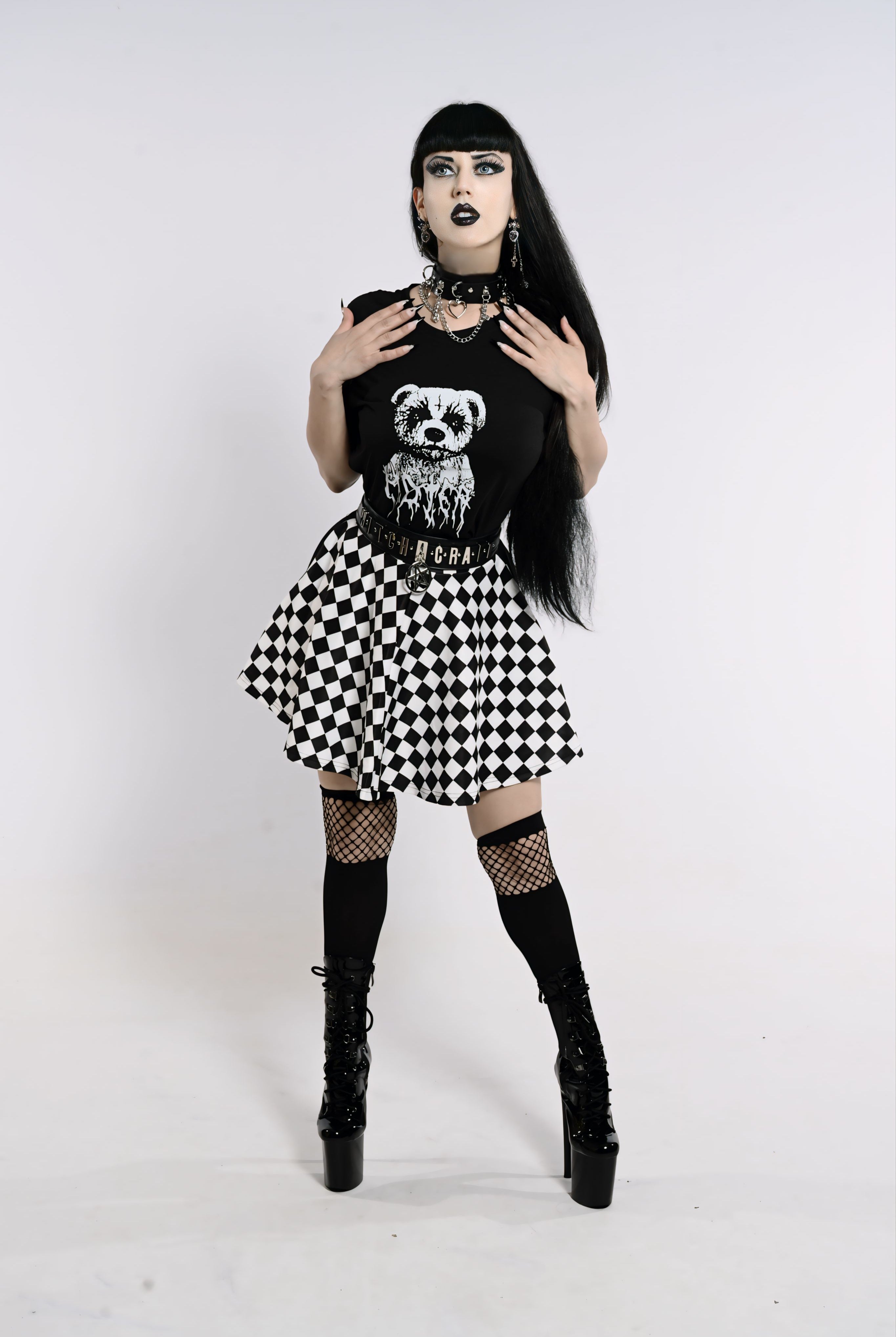
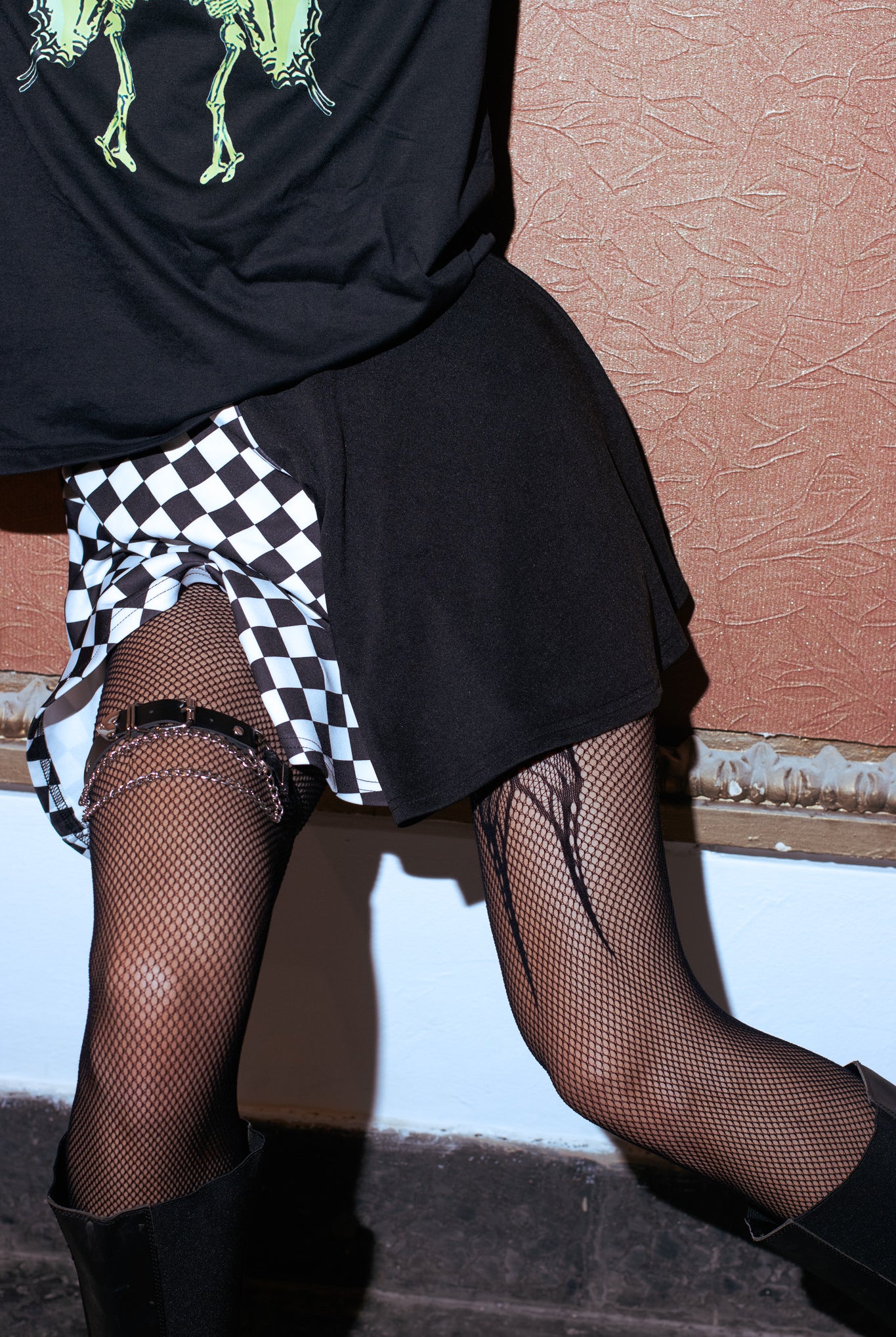
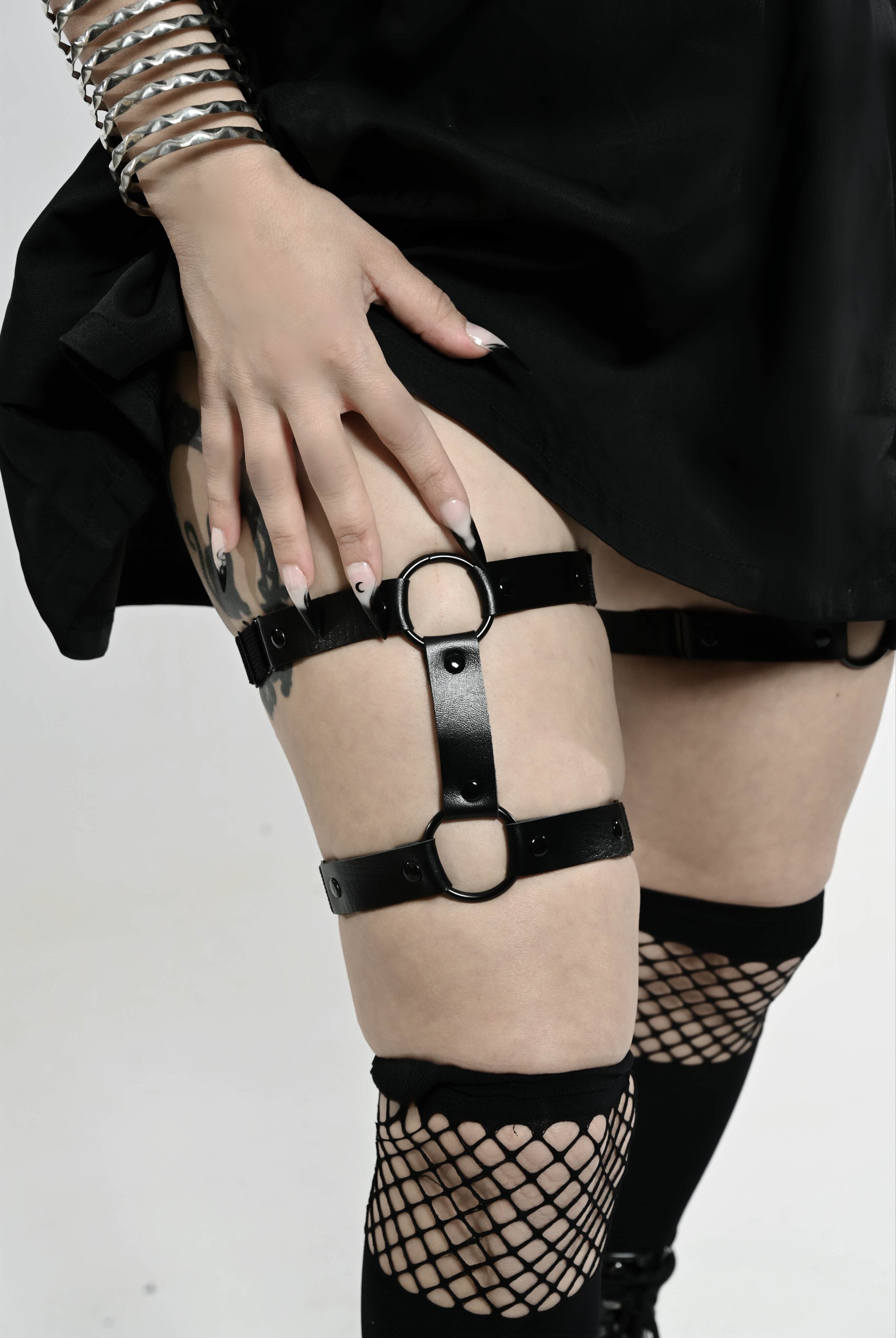
A cursed clothes wardrobe is not built from a single hero piece. It layers. The goth skirt and grunge skirts collection gives the silhouette its foundations: floor-length in charcoal velvet, midi in pleated black, something with raw hem or lace trim that reads as genuinely owned rather than assembled. Pair it with a structured corset or a sheer blouse and the look is complete in the way that takes years to explain to people who haven't felt it.
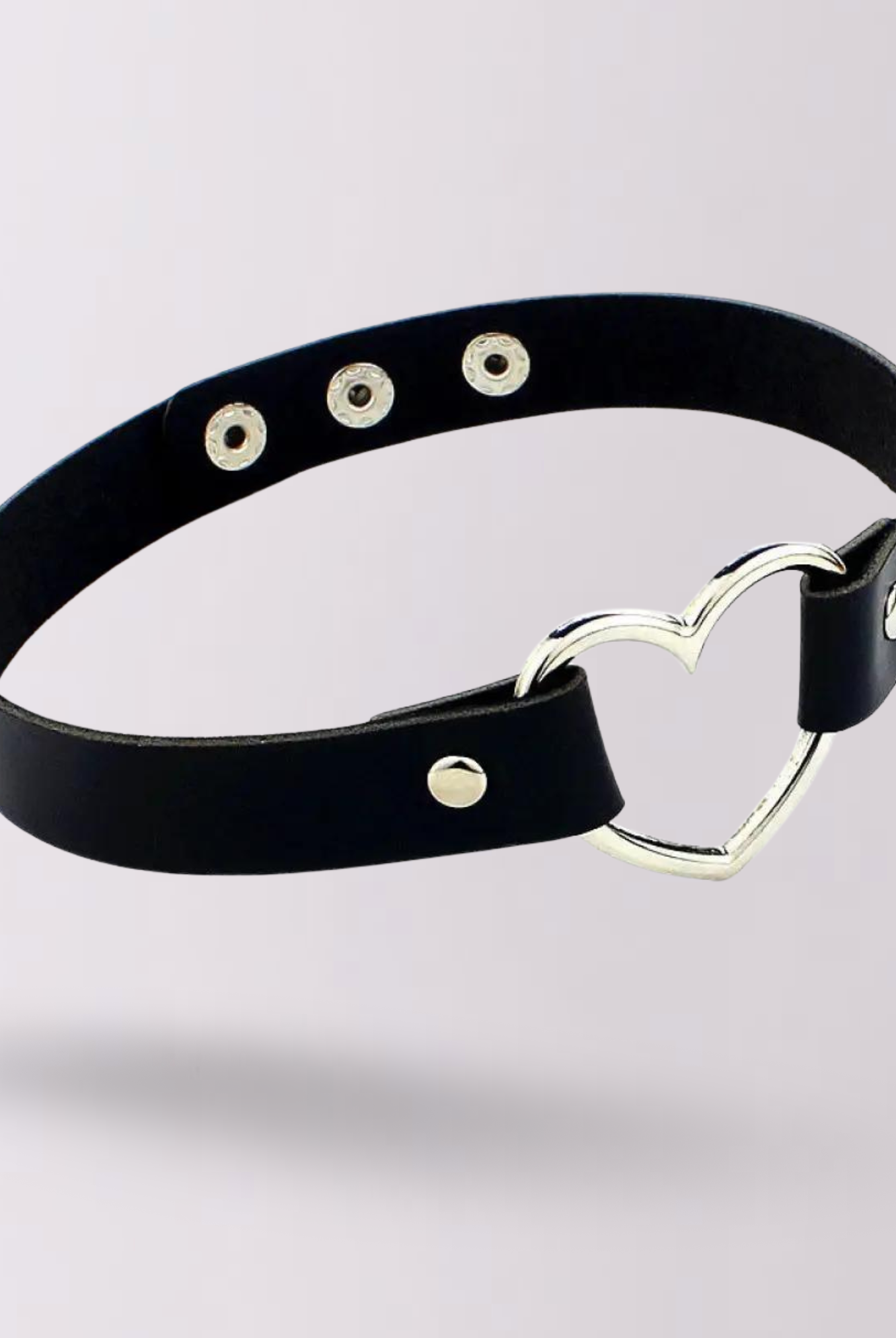
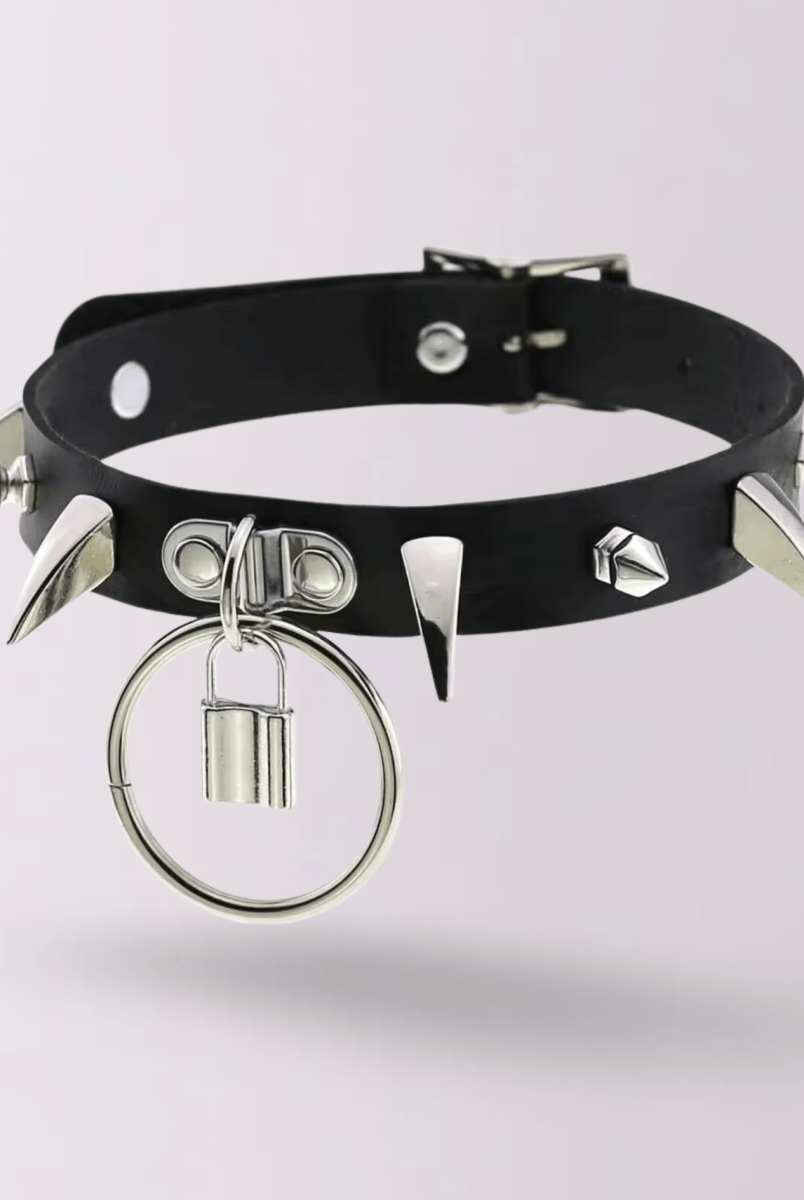
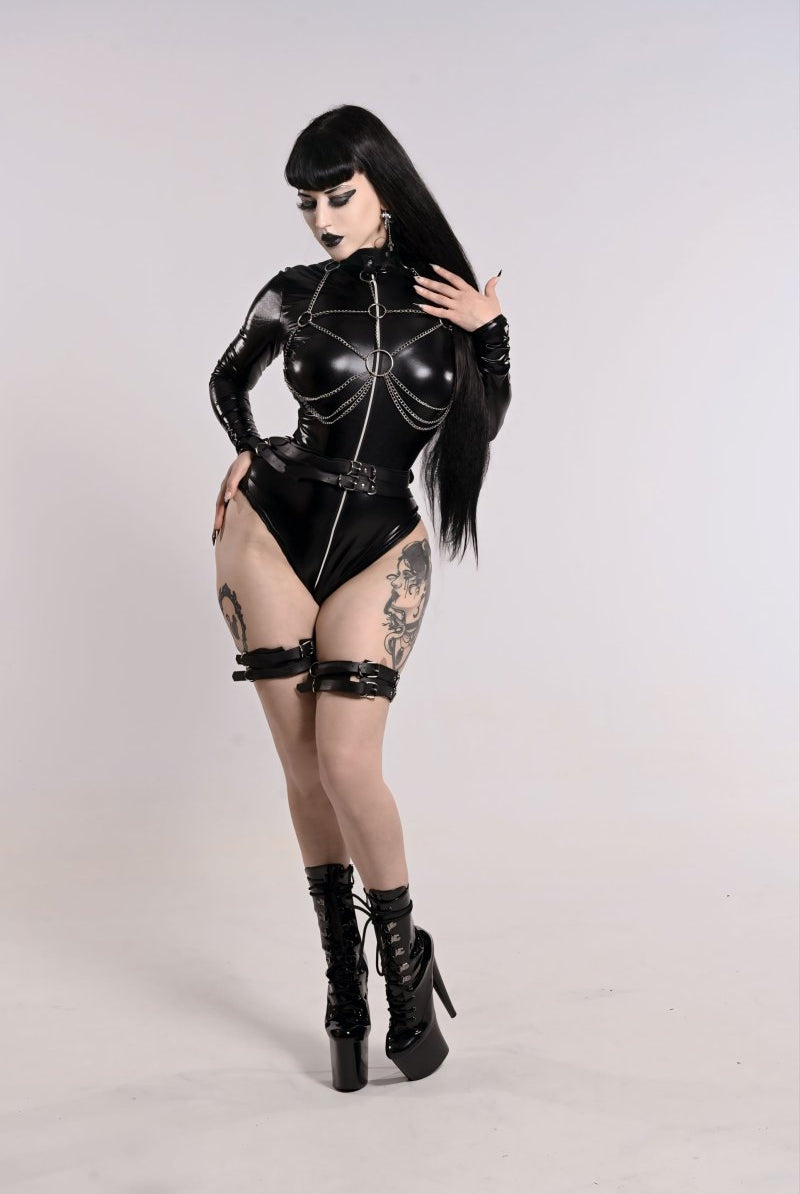
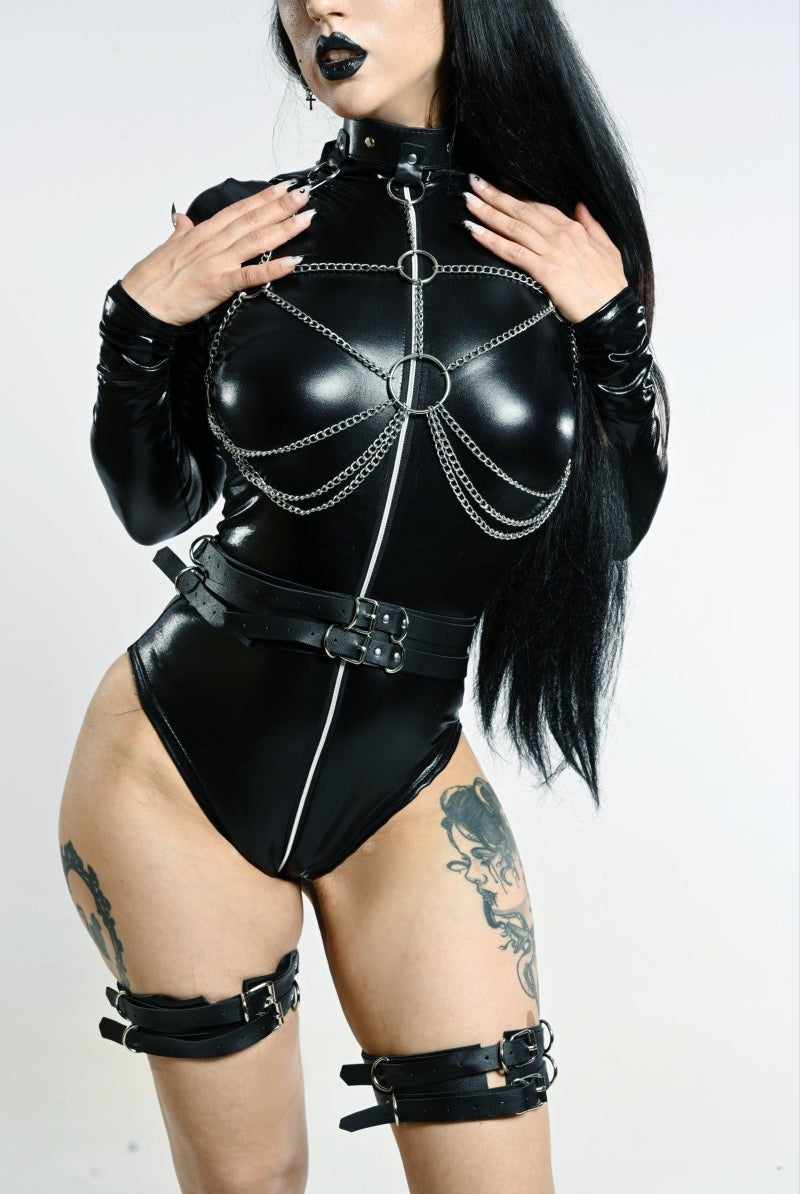
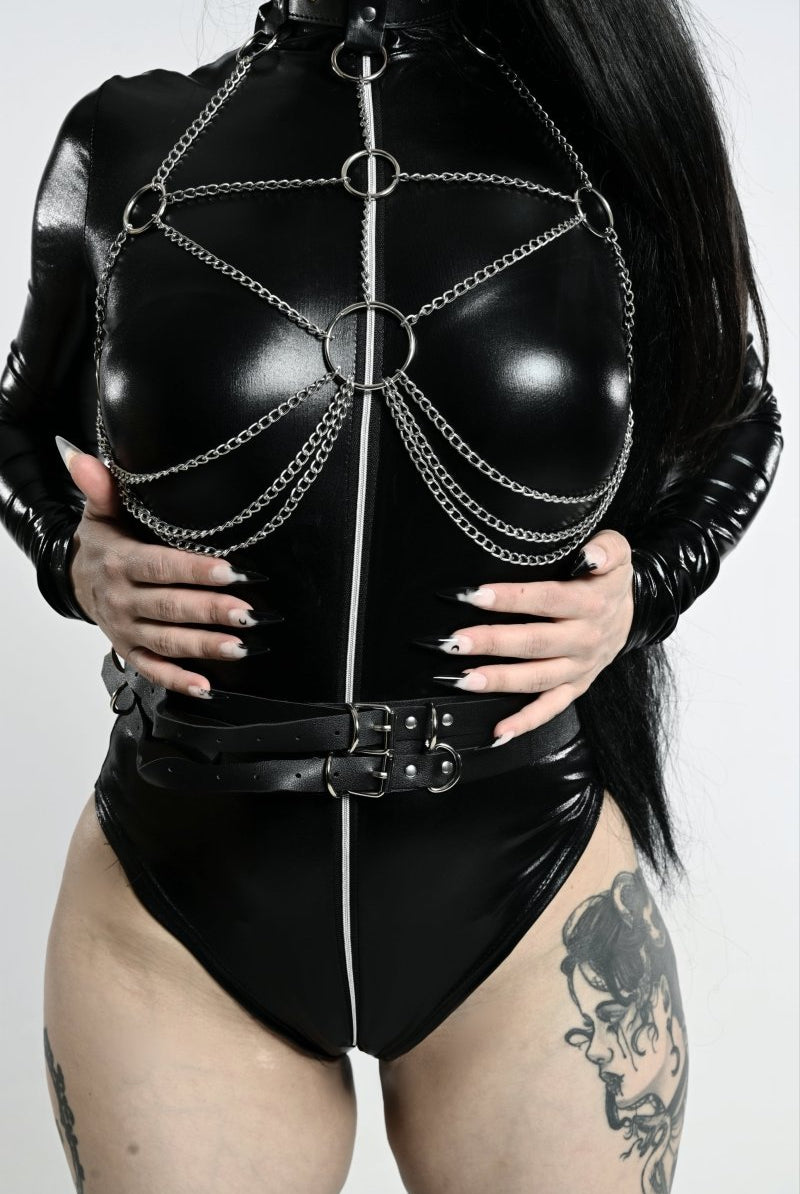
The harness and choker sit at the harder edge of the aesthetic. The leather harness and goth choker collection is where the cursed clothes register crosses into something more confrontational: the piece worn over a slip dress or a Victorian blouse that announces you are not approximating this world, you are inside it.
For outerwear, the silhouette matters as much as the fabric. A sweeping coat in black, a structured jacket with a corset back, or a velvet cape: these are the pieces that make the cursed aesthetic legible at a distance. The gothic outerwear collection handles that end of the wardrobe. Start there when the seasons shift.
Extending the Curse to Your Home: Gothic Homeware in 2026
The thing that most "cursed clothes" editorial misses entirely is that the aesthetic does not stop at the wardrobe. For the customer TCC is built for, dressing and living happen inside the same world. The gothically inclined are not buying dark clothes and going home to beige rooms.
Gothic homeware has its own surge underway. LivingSpaces's trend data points to ornate textures, dark woods, and dramatic silhouettes replacing the distressed-gothic look of earlier years. Pinterest's masquerade decor increase of 40% sits alongside the Carmilla aesthetic rise because they are part of the same lifestyle impulse: the desire to live inside a world that matches the identity you are building.
What does "cursed homeware" actually look like in 2026?
- Twisted and tapered candlesticks in matte black or aged brass
- Dark floral arrangements, dried and preserved rather than fresh
- Celestial motifs on ceramics and soft furnishings
- Matte black metals throughout, from frames to hooks to vessels
- Gothic arched mirrors and ornate picture frames
- Moon-phase wall art and occult prints treated as interior canon, not novelty decor
The editorial outlets covering this trend (RUSSH, LivingSpaces) are mainstream enough to confirm cultural momentum but niche enough to leave a gap: no independent brand has yet written the buy-guide that connects the clothing and the homeware under a single cursed aesthetic frame. That is the white space this piece occupies.
TCC's home decor collection serves exactly this customer. Pieces that belong in the same world as the wardrobe, curated with the same eye, by the same creative director.
Where to Actually Buy Cursed Clothes and Gothic Homeware
This is the part most search results get wrong. Etsy and Redbubble serve the meme tier of "cursed clothes" and they do it well; if you want a dark-humour tee or a print-on-demand novelty gift, they are the answer. But for the aesthetic version of the query, the curated-world version, the independent-brand version, the answer is different.
The major names in the space each have a problem. Killstar built the occult/witchy lane and then sold it to Bertram Capital in 2020, which is why r/goth spent 2023 and 2024 documenting the quality decline and the retreat from plus-size representation. Dolls Kill is structurally multi-subculture, which means it is never fully inside any of them. Disturbia is well-run but PE-backed and gravitating toward the mainstream.
The customer who wants cursed clothes from an independent brand with a visible creative director, plus-size availability across the range, and the subcultural fluency to name a piece Carmilla without explanation: that customer is who TCC is built for.
Alisa Karin curates every collection. The brand is independent, bootstrapped, and has no hidden private equity ownership. Plus-size availability is a design requirement, not an afterthought. And the pieces are named the way they should be named: Hecate, Salem, Persephone. The cursed world, furnished properly.
Four pieces worth starting with:
- A bias-cut slip from the gothic dresses collection for the Carmilla layer
- A structured Victorian corset from the corsets collection for the daytime piece
- A layered celestial necklace from the gothic jewellery collection to anchor the aesthetic
- A statement coat from the gothic outerwear collection to carry the silhouette into the cold months
Then take it home. The home decor collection is there for the rest of the world you are building.
Conclusion
The search surge for "cursed clothes" is not a meme moment. It is the leading edge of an aesthetic that has been gathering for several years, confirmed by Pinterest trend data, RUSSH and WhoWhatWear editorial, and the lived experience of a community that has been underserved by every major brand in the space. Gothic maximalism is a real trend in interiors. Witchy fashion is genuinely 2026's cultural mood. And the people searching for cursed clothes with genuine dark-alt intent deserve a curated answer, not a print-on-demand product grid.
TCC is that answer. Shop gothic clothing and gothic homeware at The Cursed Closet.
Frequently Asked Questions
What does "cursed" mean in fashion? In dark-alt fashion, "cursed" refers to an aesthetic of intentional darkness: occult symbols, gothic silhouettes, and a visual language rooted in witchcore and gothic romance. It is distinct from novelty meme merchandise; it is a subculture with real lineage, running from Victorian mourning dress through to contemporary artists like Chelsea Wolfe and the current Carmilla aesthetic surge on Pinterest.
Is cursed aesthetic the same as goth? They overlap but are not identical. Goth is the broader subculture with a specific music and fashion history; cursed aesthetic sits at the intersection of witchcore, gothic romance, and internet-fluent dark identity. Think less cemetery punk, more Carmilla and candle smoke, the soft occult domesticity of Practical Magic with a harder edge.
Where can I buy cursed clothes that aren't from Redbubble? The Cursed Closet is the independent, creative-director-led answer. Curated by Alisa Karin, plus-size across the range, no private equity ownership. The gothic dresses collection and corsets collection are the best starting points for building an intentional cursed wardrobe.
What is gothic homeware and where do I buy it? Gothic homeware is dark-aesthetic interior design: twisted candlesticks, celestial motifs, matte black metals, dried florals, ornate textures. It is the lived-in version of the same aesthetic world as the wardrobe. TCC's home decor collection is curated to sit inside that world rather than approximate it.
Is cursed aesthetic the same as witchcore? Closely related but with a distinct edge. Witchcore is the lifestyle aesthetic: herbalism, tarot, the soft mysticism of sunlit rooms and moon-phase rituals. Cursed aesthetic leans darker and more occult-forward, toward the gothic romance end of the spectrum. Both are part of the wider aesthetic cluster TCC is built around, and they share most of their wardrobe.
What are the key pieces in a cursed clothes wardrobe? The core pieces are a bias-cut gothic dress, a Victorian-influenced corset, a statement-sleeved blouse, layered celestial jewellery, and either a harness or a choker as the defining edge. Outerwear, typically a sweeping coat or structured jacket in black, completes the silhouette for colder months. TCC carries all of these as named, curated pieces rather than a generic product feed.
Sources: RUSSH, "Gothic maximalism is the rising interior trend in 2026" (Feb 2026); RUSSH, "Witch aesthetic fashion to shop" (Feb 2026); LivingSpaces 2026 Decor Trends Report; WhoWhatWear, "Witchy Fashion Trends 2026."