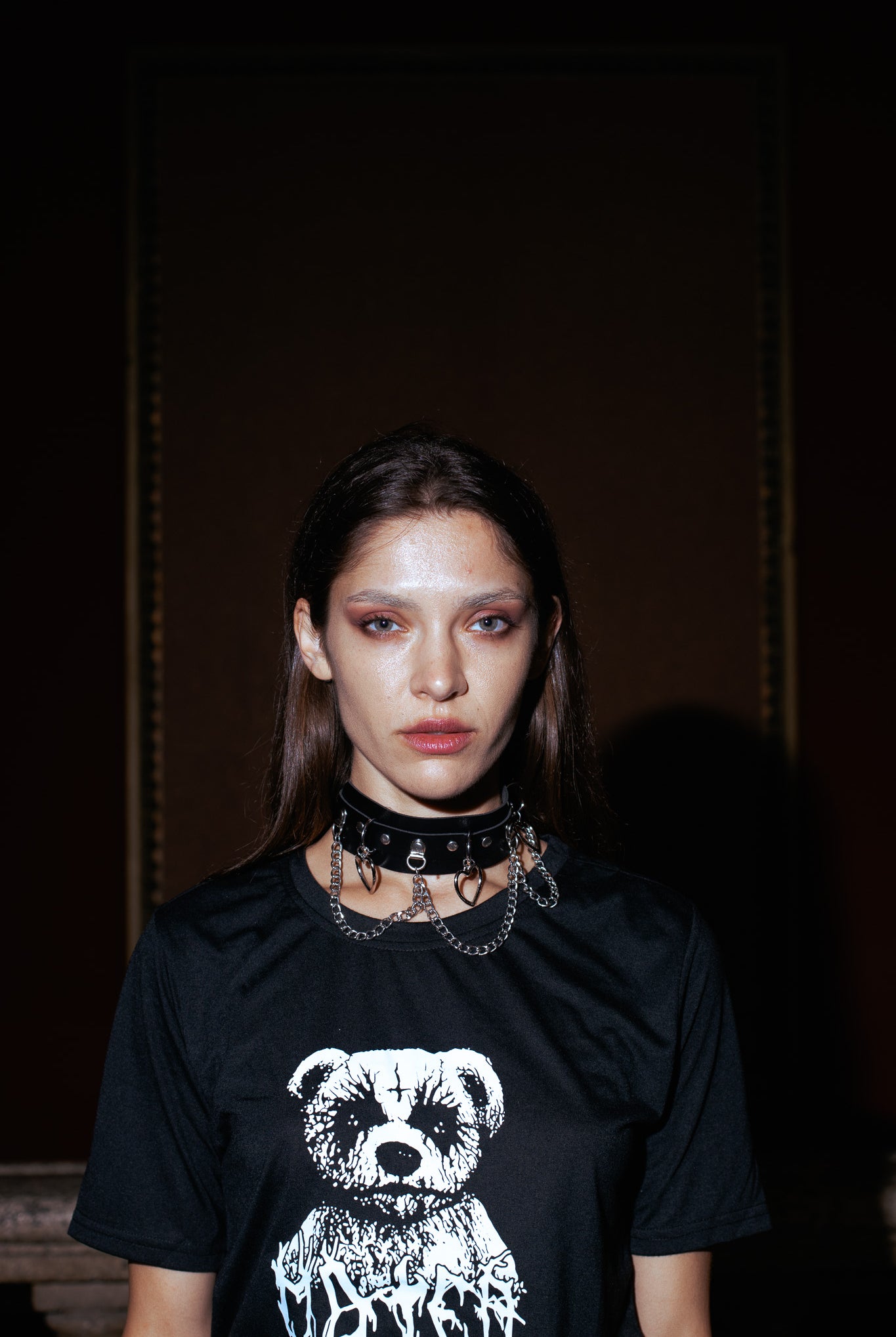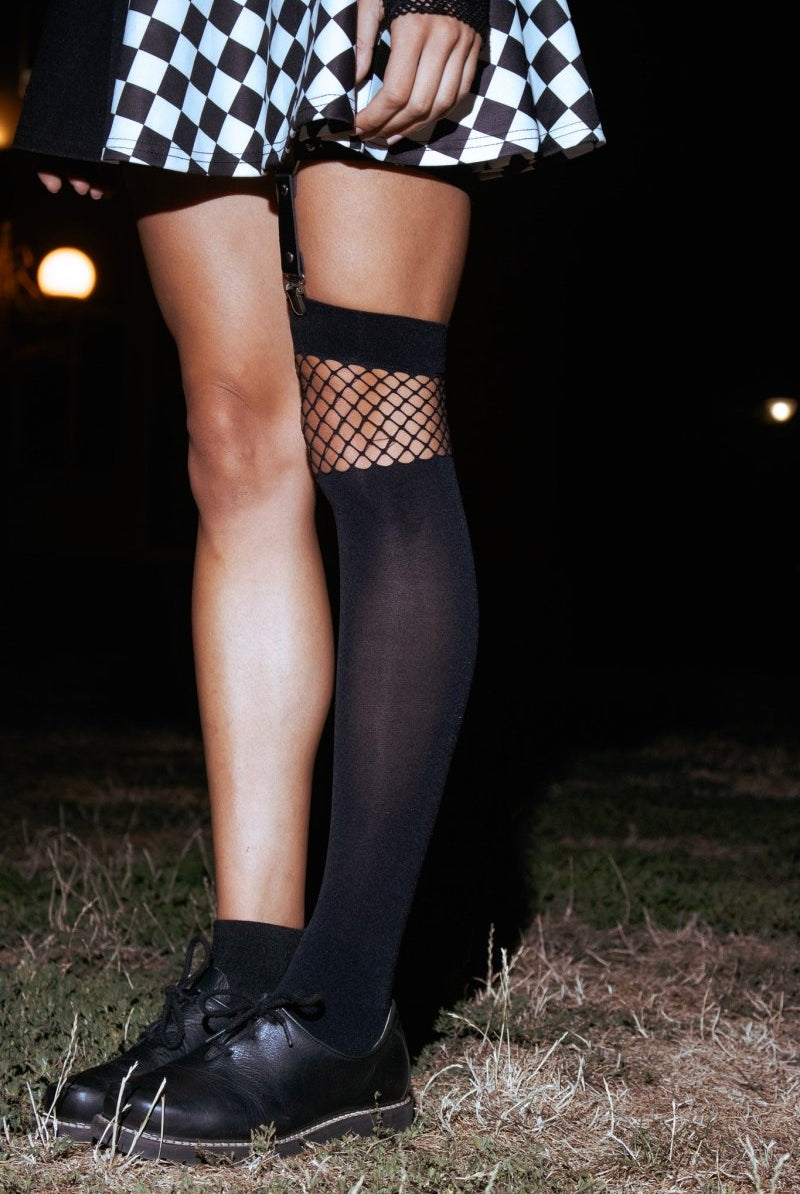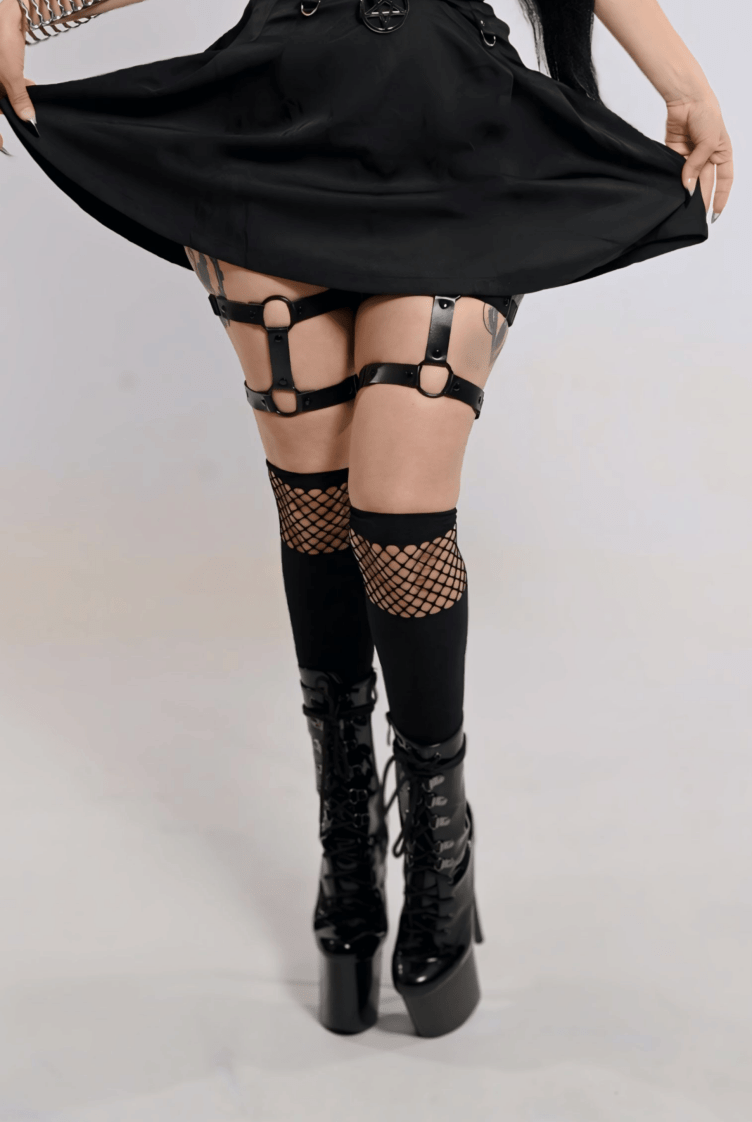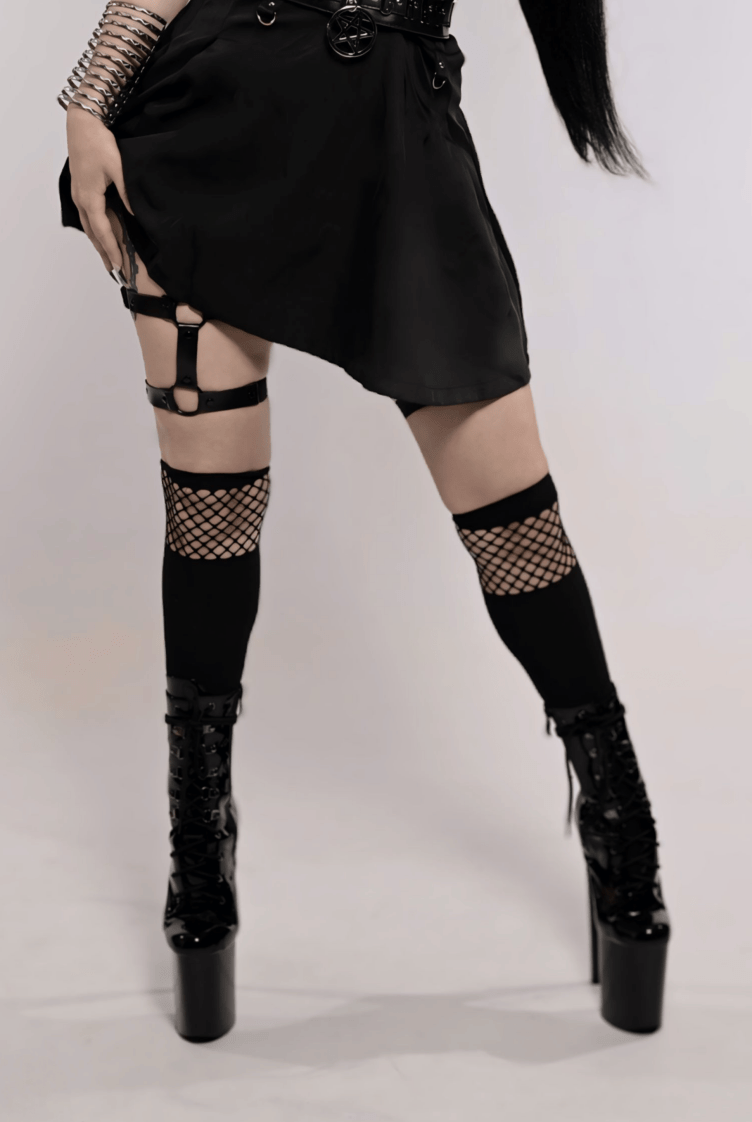
Start with three things: boots you can walk in, one plain black piece that actually fits, and a rough idea of which corner of goth you like. Everything else grows out of those. You do not need a finished wardrobe on day one, and you do not need to spend a lot to look like you have been doing this for years.
Most beginner advice sends you one of two ways. It either hands you a list of twenty-two named subgenres and leaves you to work out which one you are, or it tells you to go and listen to Bauhaus first and come back later. Both are half right and neither tells you what to put on your body on Thursday. This is the other half.
Key Takeaways
- Goth was a music scene before it was a look, and knowing that is most of what separates a wardrobe from a costume.
- Buy boots first. They carry every subgenre and they do more work than anything else you own.
- A plain black midi, dress or skirt, is the second buy. It layers with clothes you already have.
- You do not have to pick a subgenre. Most people sit between two or three, and the wardrobes overlap far more than the labels suggest.
- Fit does more for a piece than anything you can buy. Measure yourself, then read the size chart on the product page before you settle on a letter.
What actually makes an outfit goth?
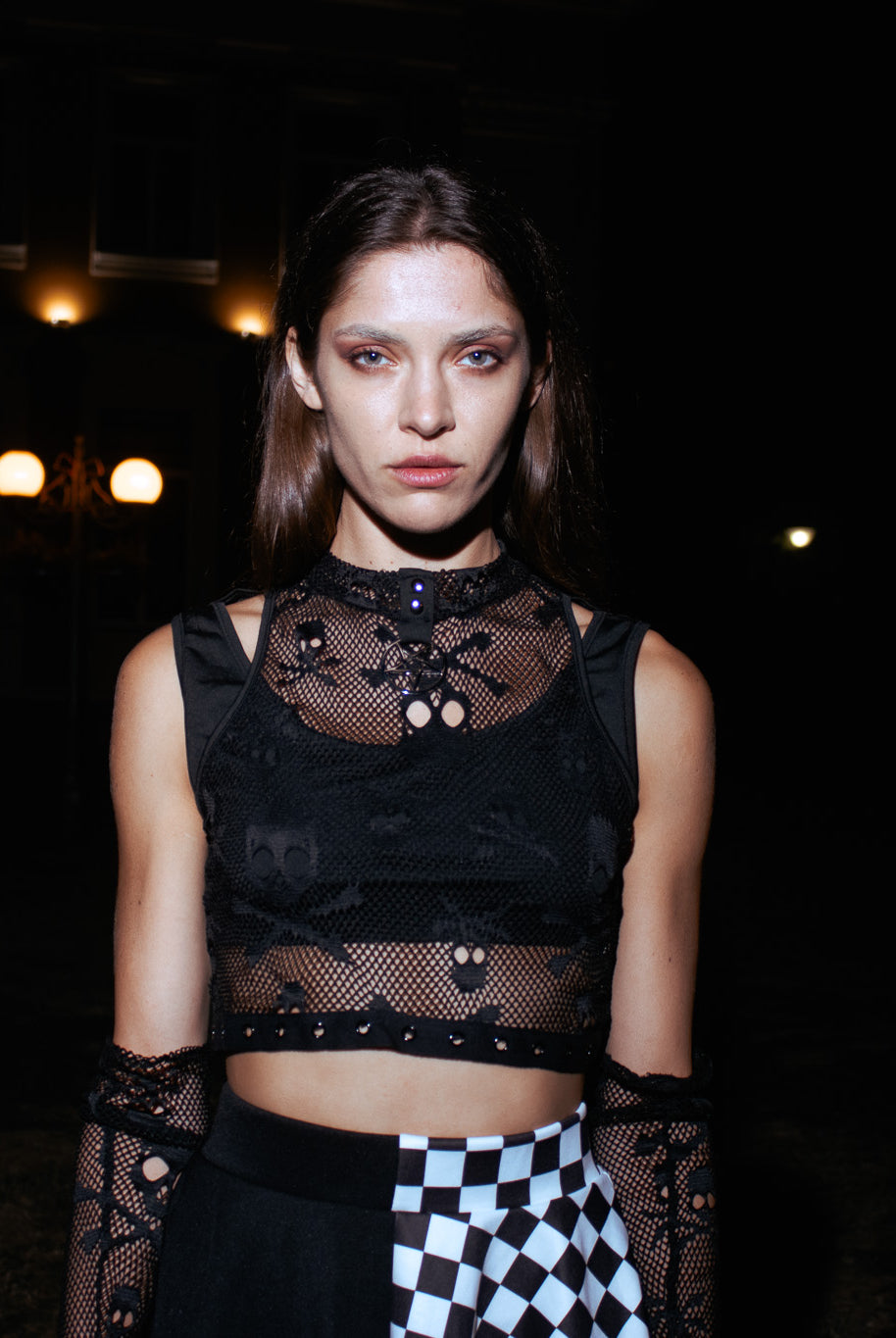
Silhouette, texture and restraint, far more than any single symbol. Deep green, wine and oxblood sit in this wardrobe as comfortably as black does. What carries an outfit is the shape (long lines, a defined waist, a high neck or a low one, rarely much in between), the fabric (velvet, lace, mesh, satin, leather) and the discipline to let one piece do the talking.
The lineage helps here. Goth came out of post-punk in the late 1970s and early 1980s, from Bauhaus and Siouxsie and the Banshees through the Sisters of Mercy, and the clothes came out of the music, in that order. That is why a pentagram printed on a fast-fashion t-shirt reads as costume and a plain black slip with the right boots does not. One of them is referencing something. The other is referencing a Halloween aisle.
It also explains why the wardrobe borrows so heavily from Victorian mourning dress and from gothic literature. The high collars, the trailing sleeves, the funeral black: that is Wuthering Heights and Carmilla and Crimson Peak, and the reason those references keep coming back is that they were beautiful long before they were a genre.
Which kind of goth are you?
There are dozens of named subgenres and you are not required to commit to one. Most people find they sit between two, wear one on a Tuesday and the other on a Saturday, and quietly ignore the taxonomy. Five styles cover the majority of what people mean, and the useful question is which wardrobe you actually want to get dressed from.
| Style | How it reads | Where it comes from | Start here |
|---|---|---|---|
| Romantic goth | Soft, Victorian, mournful. Lace, bias cuts, long sleeves, decaying florals | Gothic literature, Victorian mourning dress, Crimson Peak | Romantic goth style and the gothic romance collection |
| Whimsigoth | Witchy but warm. Crushed velvet, star and moon prints, occult jewellery worn in daylight | Practical Magic, The Craft, Stevie Nicks, 1990s witch television | Whimsigoth vs gothic romance and the whimsigoth collection |
| Dark academia | Tweed, pleats, collars, libraries. Less occult, more autumn term | The Secret History, campus gothic, old university iconography | Dark academia fashion |
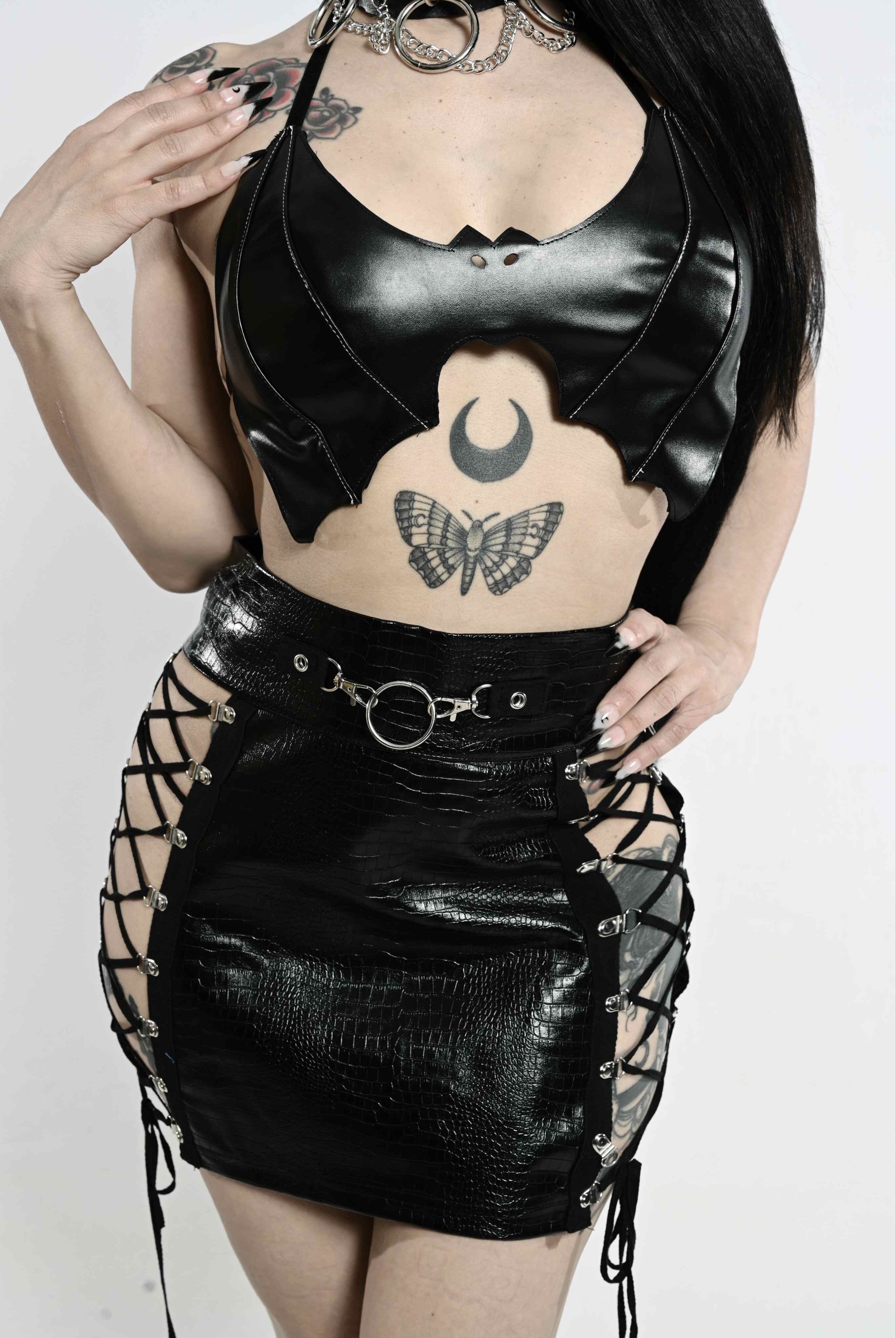
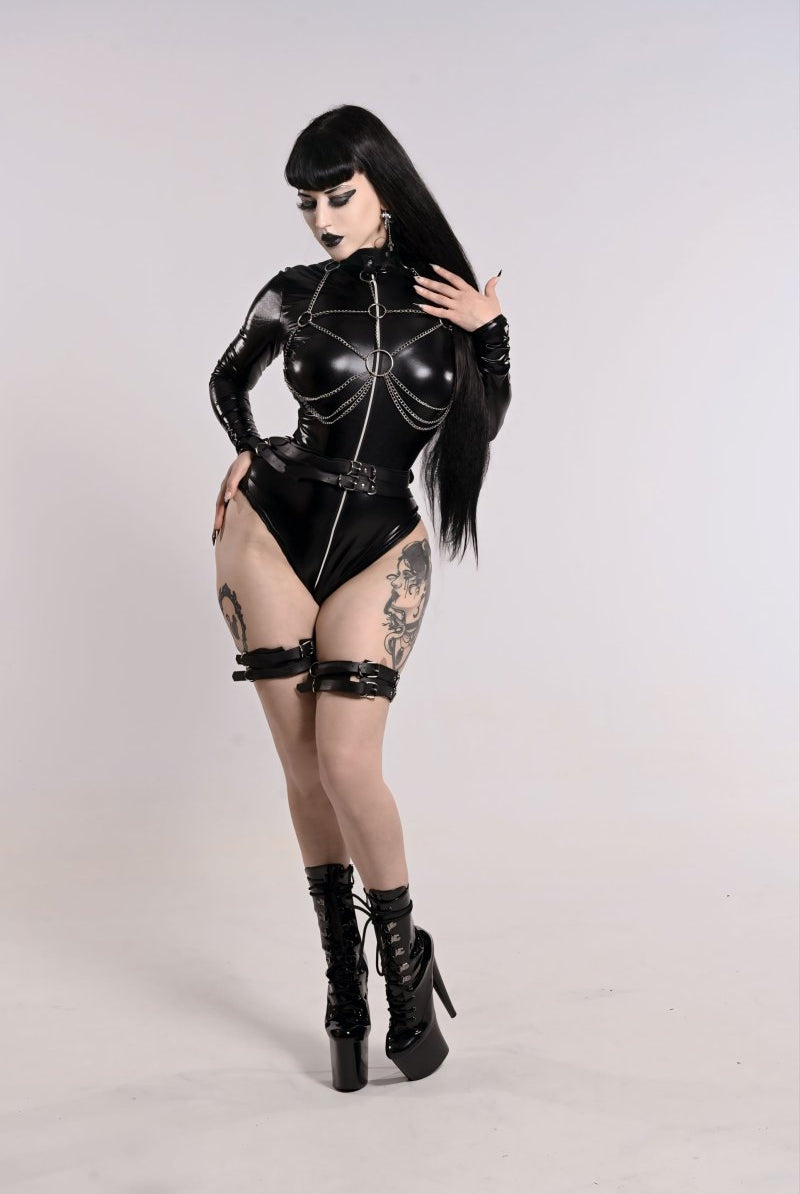
| Trad goth | The original. Sharp black, mesh, leather, heavy boots, a club silhouette | The Batcave, post-punk, the early 1980s scene | Gothic and alt tops and corsets |
| Corporate goth | Tailored and quiet. Black on black, structure, nothing your manager can object to | Office dress codes meeting an unwillingness to give it up | How to dress corporate goth |
If you cannot tell which of the first two you are, that is the most common confusion there is, and it is worth reading the difference between whimsigoth and gothic romance before you buy anything. They want quite different wardrobes and they get mixed up constantly.
The first five things to buy
Buy in this order and each piece makes the next one easier. Buy in a different order and you end up with a beautiful thing you cannot style.
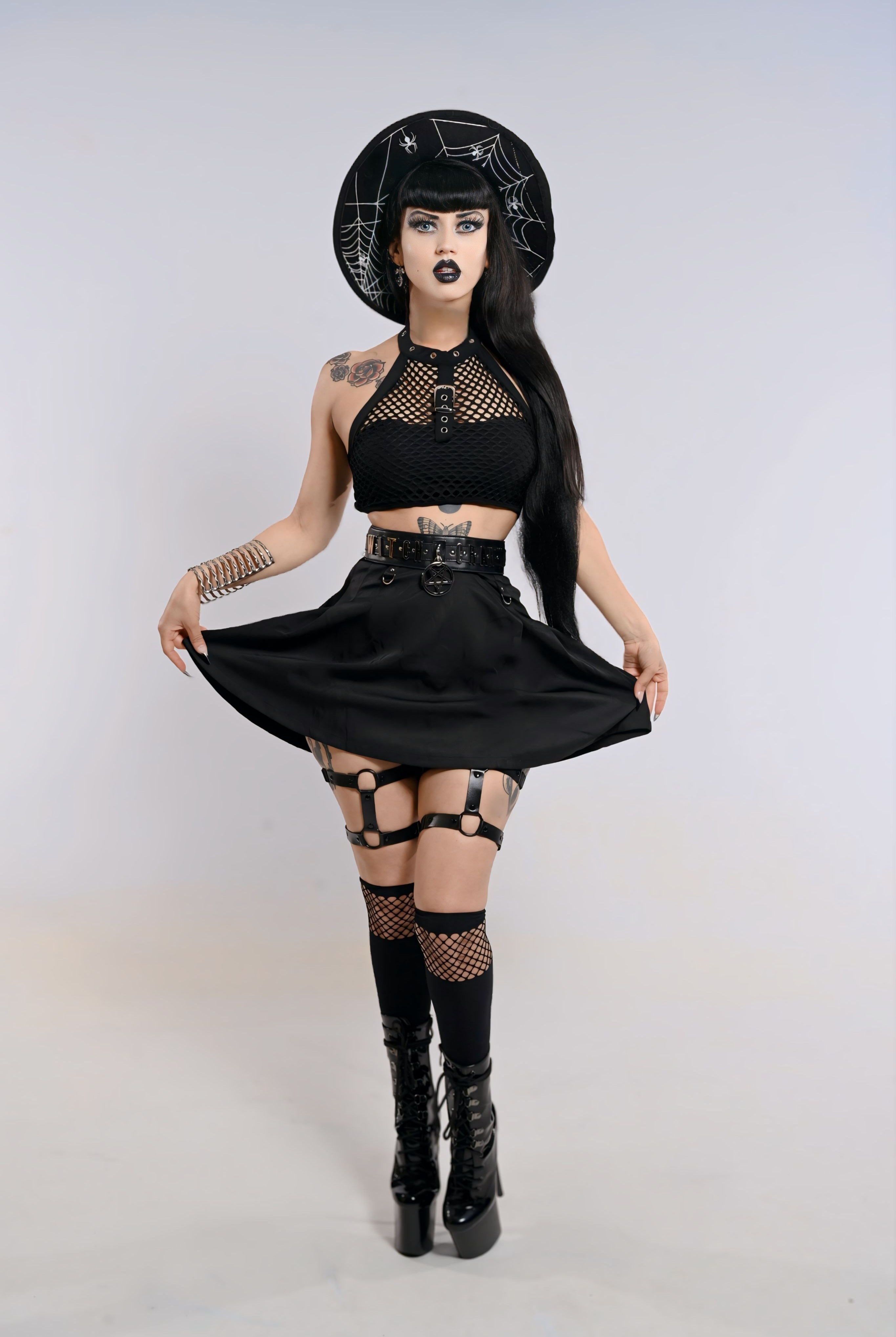
1. Boots. The purchase that does the most work, because they change how everything above them reads. The same plain black dress goes soft with flats and severe with a chunky sole. Get one pair you can genuinely walk in before you get a second pair you cannot. Our guide to goth boots covers the shapes and what each one suits.
2. One plain black midi. A dress or a skirt, no print, no hardware. This is the base layer of the entire wardrobe: it goes under a knit, over a long-sleeved top, with a corset, with a jacket, with nothing. If you buy one garment this year, buy this one. The gothic dresses collection and the skirts collection are both starting points, and our guide to skirt lengths explains why the midi is the one to start with.
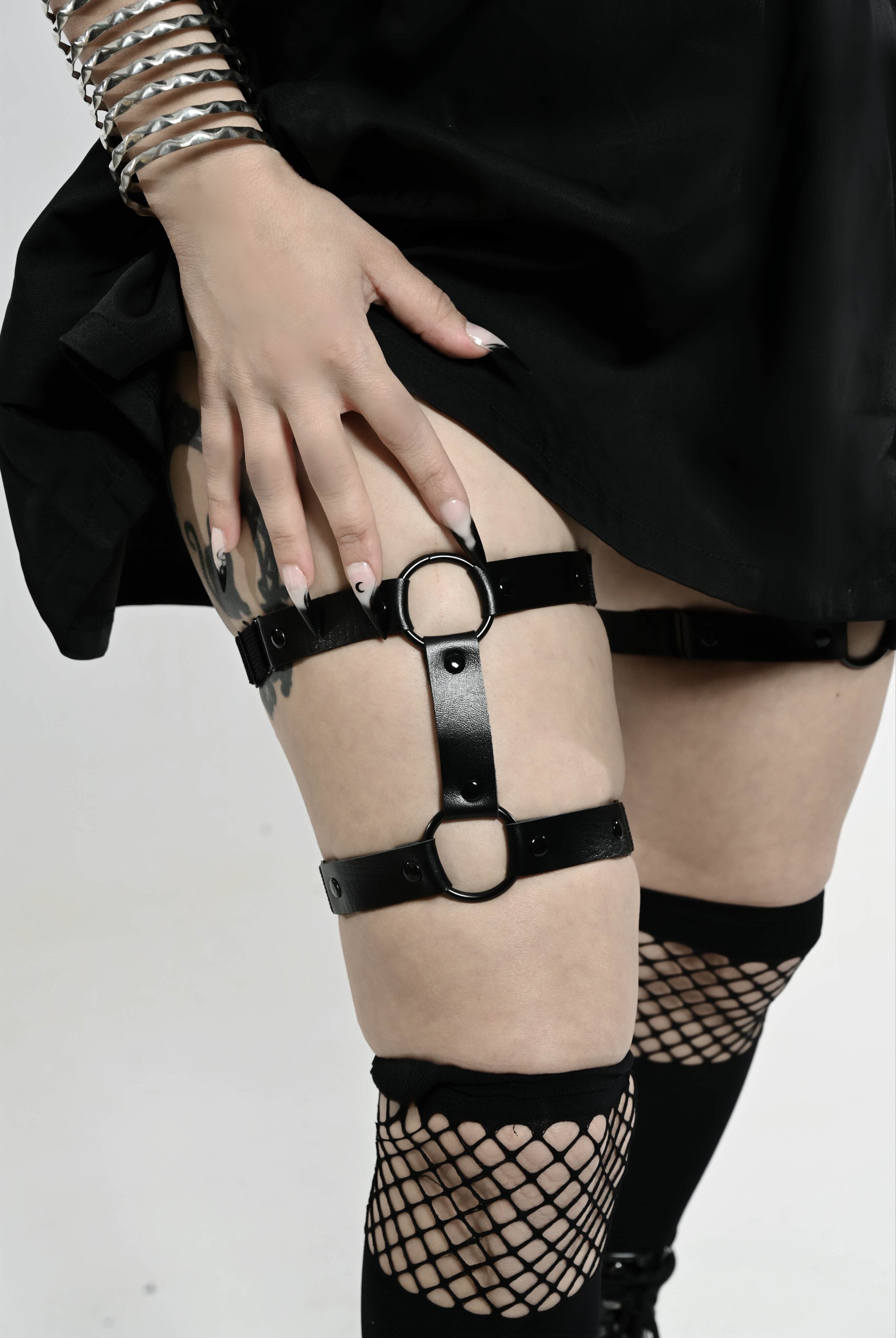
3. Opaque black tights. Unglamorous and load-bearing. They turn a summer garment into a three-season one, and they are most of the difference between an outfit that looks finished and one that looks unplanned. Aim for 40 to 60 denier: thinner reads like an accident.
4. One structured top. A fine black knit, a fitted long-sleeve, or a blouse with some shape to it. The job is to balance volume, because a full skirt plus a loose top plus loose hair is a lot of soft happening at once. The tops collection is where to look.
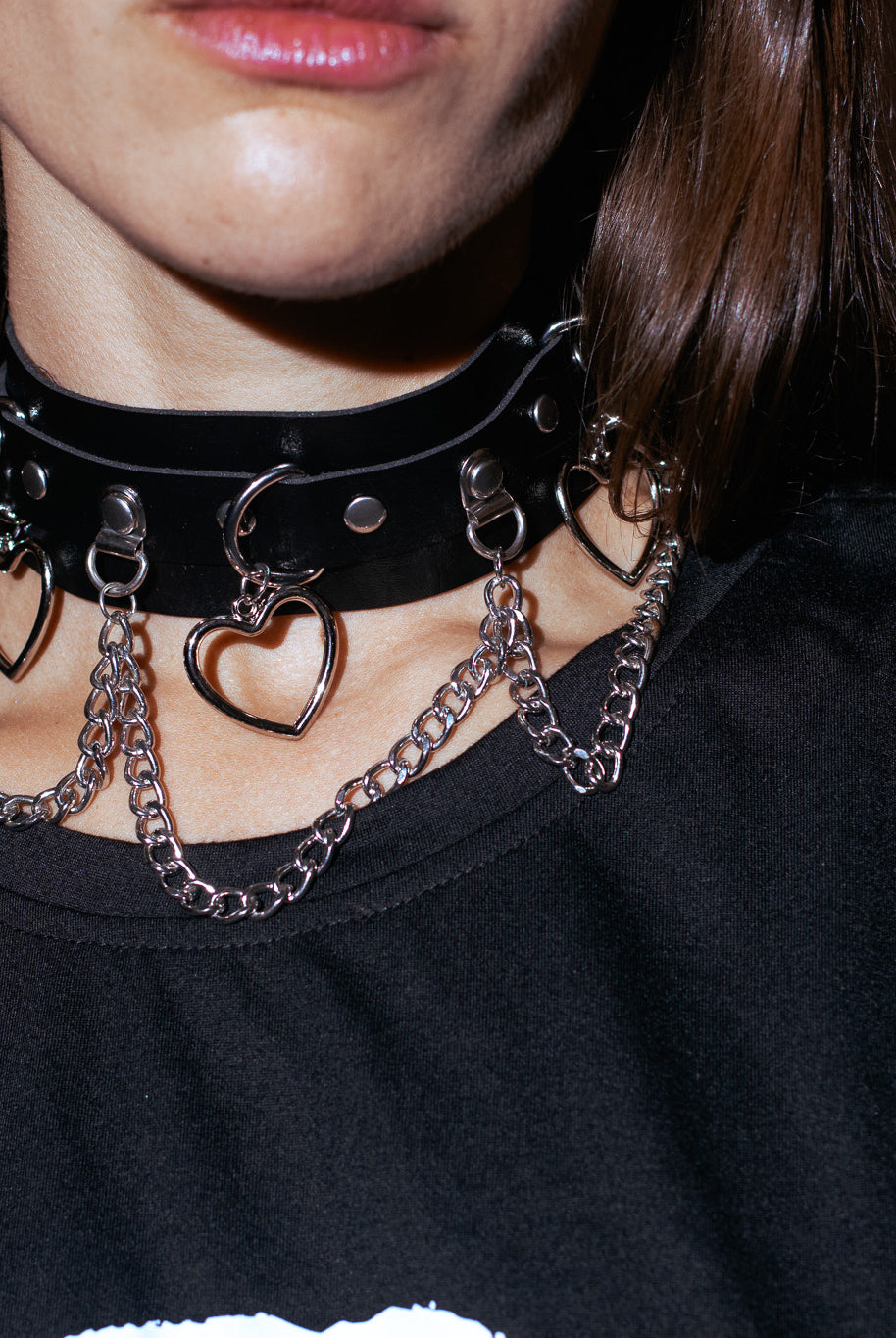
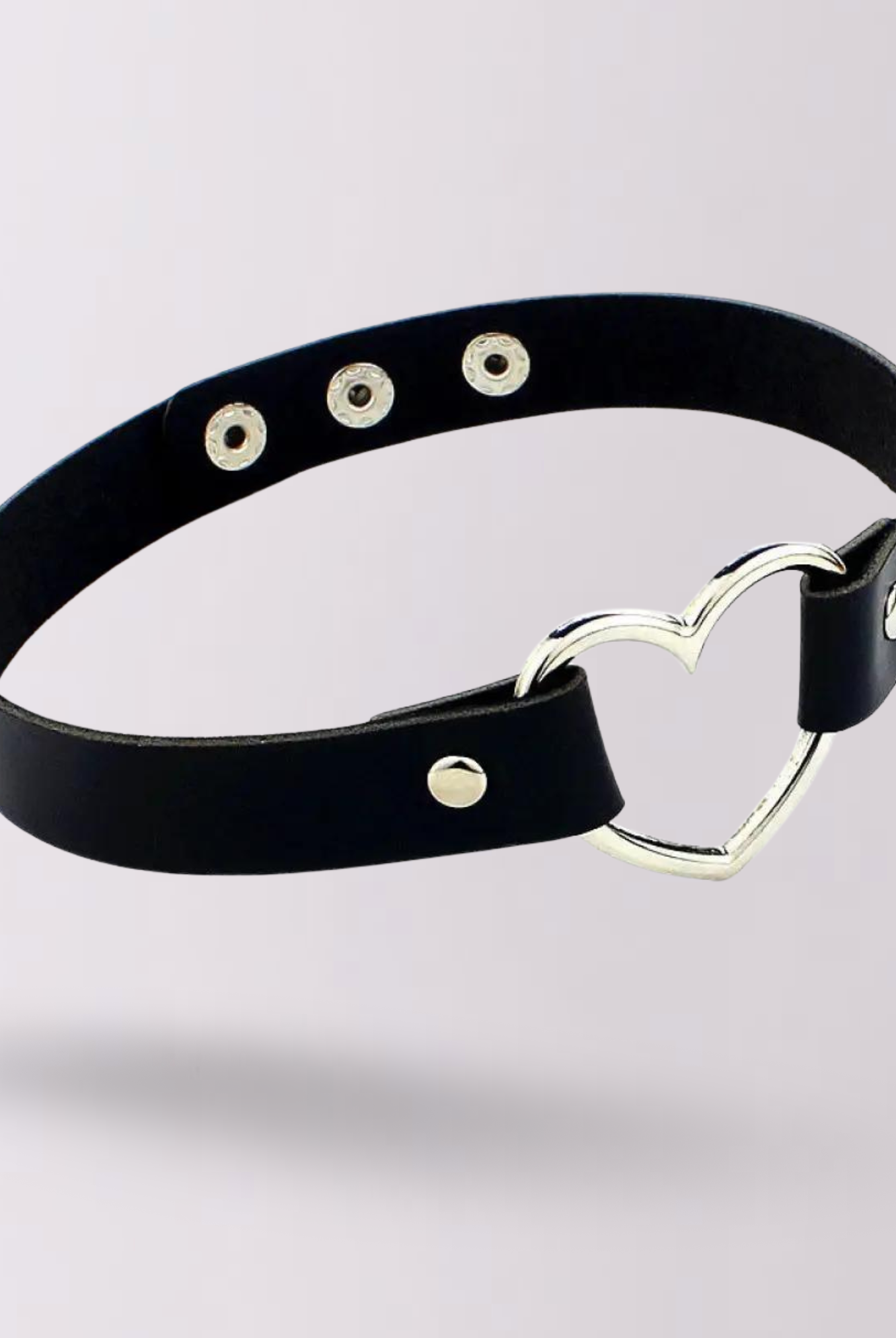
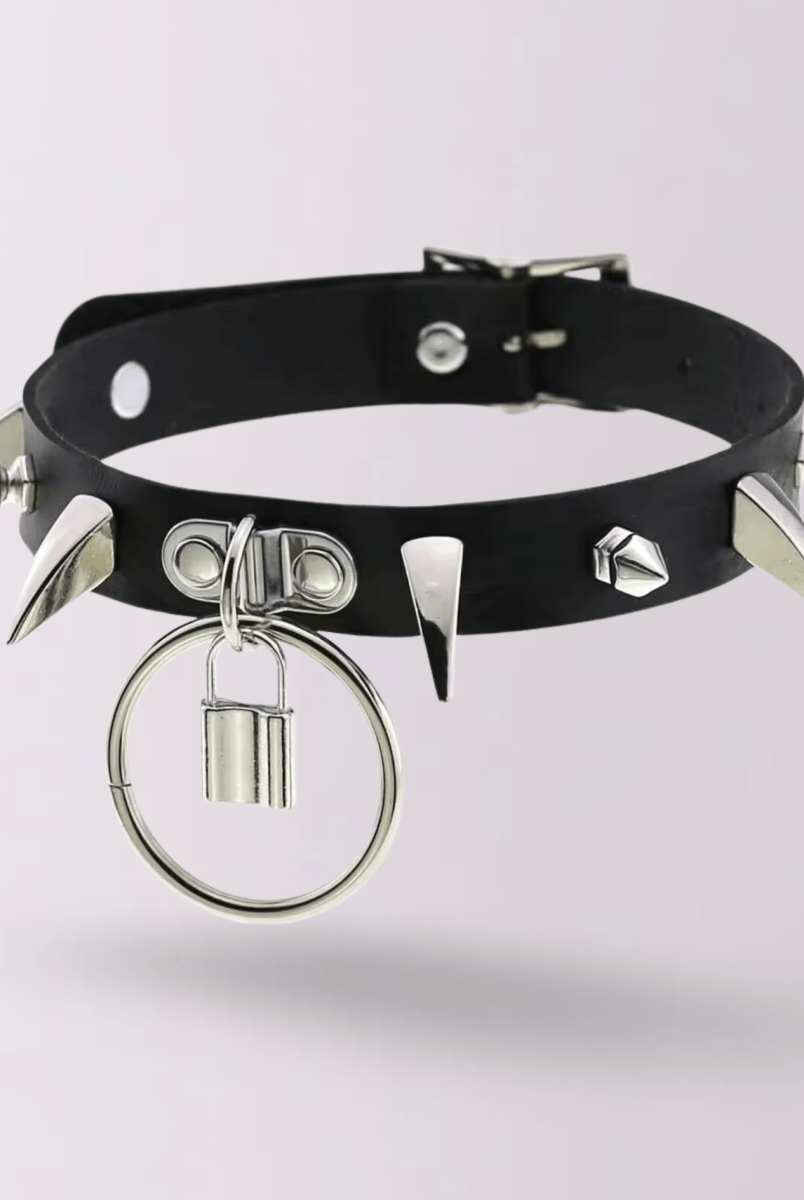
5. One piece of jewellery you will actually wear daily. Not the most dramatic one. The one that goes on every morning without thinking, which is usually a single necklace or a pair of small earrings. Our jewellery guide is worth reading before you spend, and the gothic jewellery collection is where ours lives.
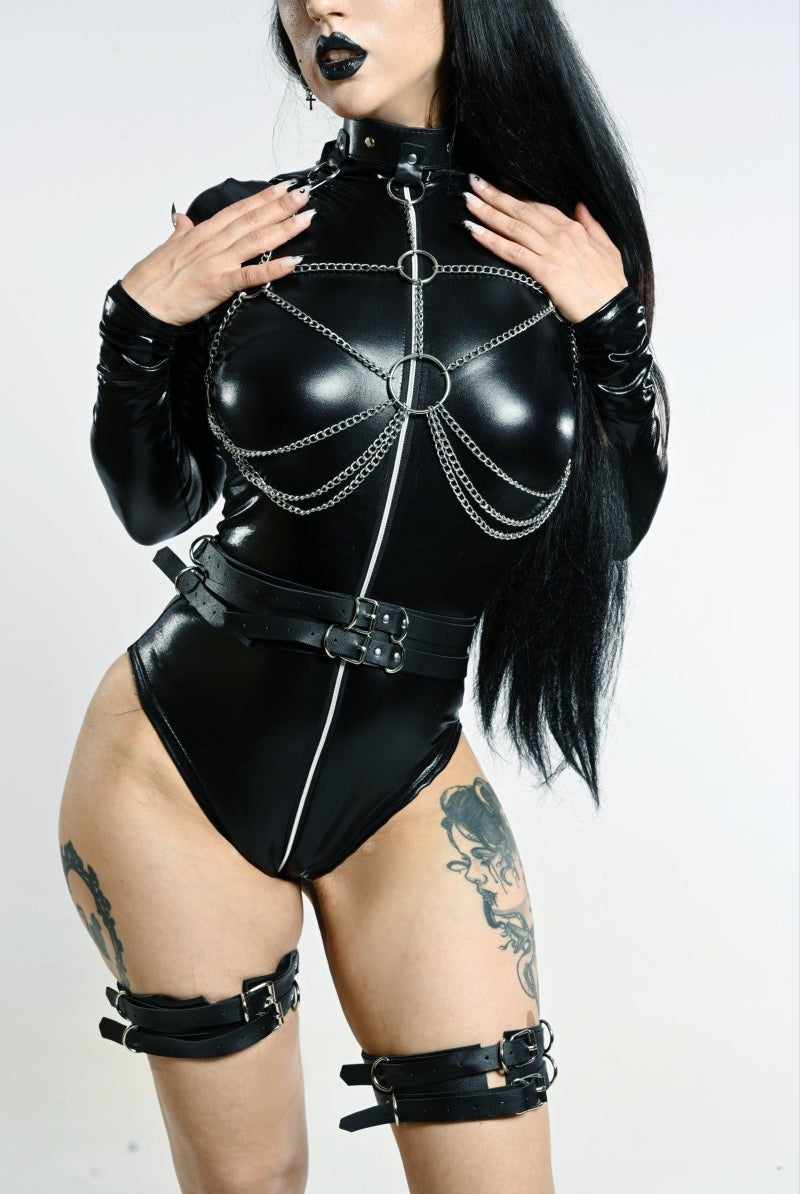
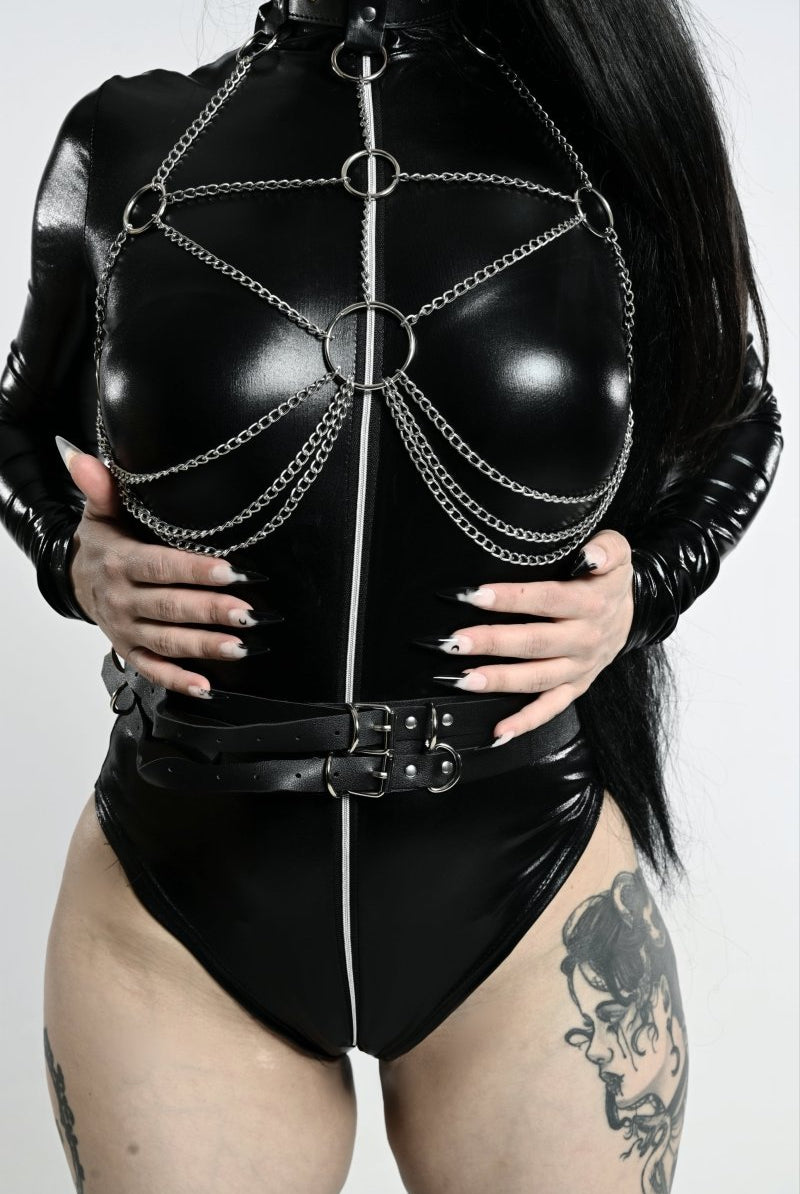
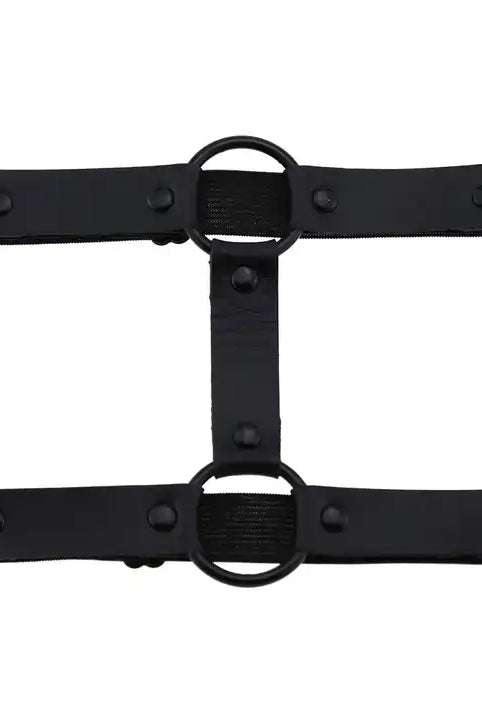
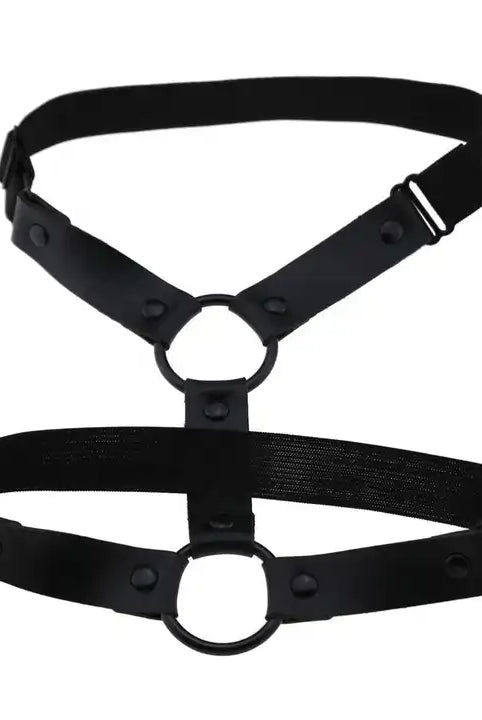
That is the whole starter set. Everything after it is preference: a corset when you want the waist to be the point, a jacket or coat when the weather decides for you, a harness when you want an outfit to have an edge without buying a whole new outfit. When you are ready to plan past these five, our goth capsule wardrobe checklist sets out fifteen pieces that all work with each other.
Four outfit formulas that work straight away
None of these need anything you do not already have after the five purchases above.
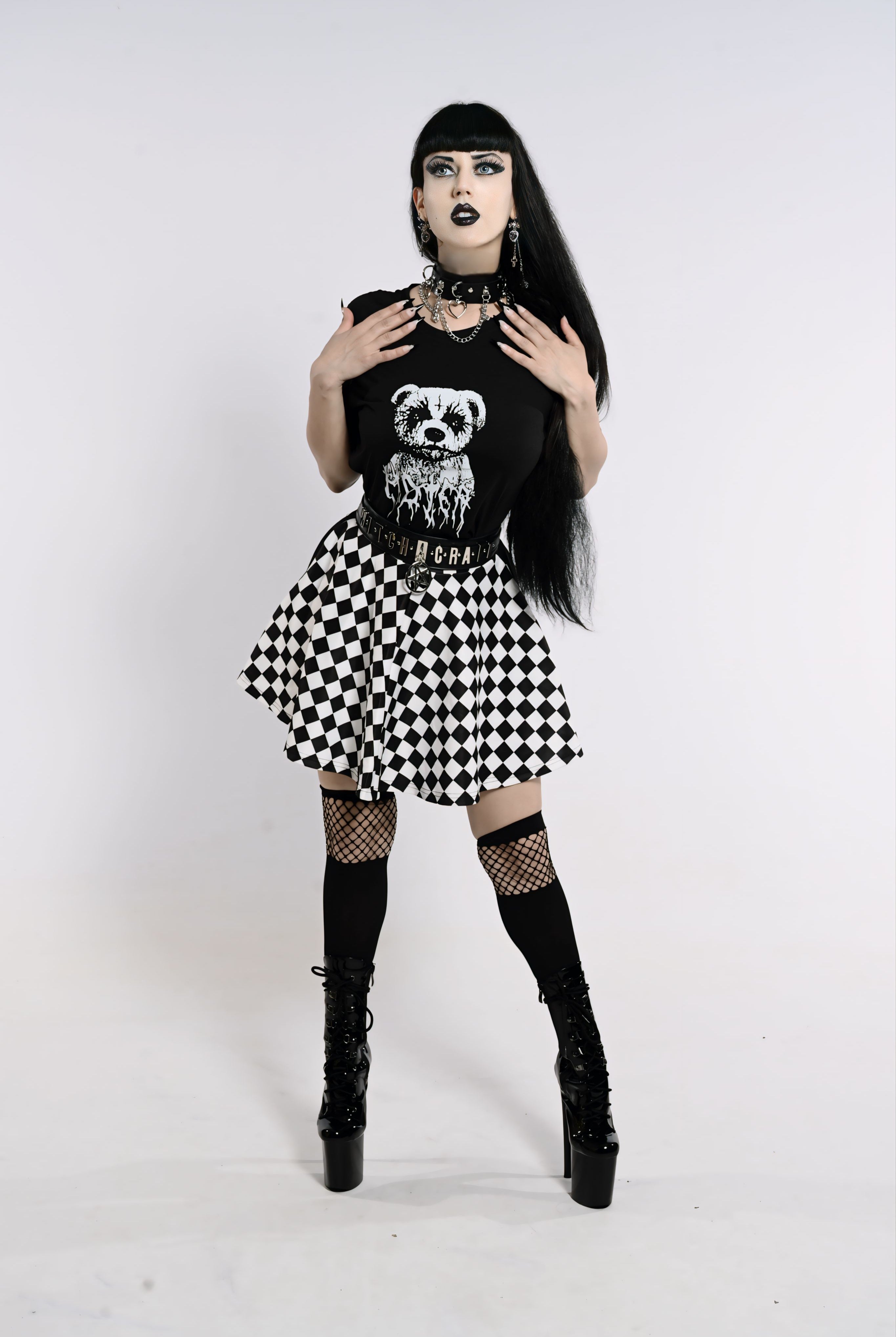
- The default. Black midi, opaque tights, boots, one necklace. This is the outfit you will wear most and it is almost impossible to get wrong.
- The layered one. Same midi, fine knit tucked or worn over the top, boots. A second black layer adds depth without adding noise, and it is what to reach for on a day when the default feels flat.
- The one with a waist. Blouse or long-sleeved top, corset over it (over the blouse, never against skin, or the whole thing tips into club territory), skirt, boots. This is the evening version of the default and it takes no longer to put on.
- The quiet one. Black trousers, structured top, boots, minimal jewellery. Nothing here announces itself, which is the entire point of corporate goth, and it is the formula that gets you through a workplace with a dress code. Trousers and alternative bottoms are where to look.
The pattern across all four: one focal piece, everything else supporting it. An outfit where three things compete for attention will look like costume no matter how good each thing is on its own.
The beginner mistakes worth skipping
Buying the loudest piece first is the most common one. The dramatic floor-length coat is a wonderful third purchase and a terrible first one, because there is nothing to wear it with yet. Build the base, then buy the statement.
Buying everything in one go is close behind. A wardrobe assembled in a single order looks like a wardrobe assembled in a single order. Three good pieces you wear constantly beat ten you rotate out of guilt.
Then there is treating black as a uniform. Black is the backbone, not the whole skeleton. Deep green, wine, dark florals and grey all sit comfortably in this wardrobe, and a print with black in it belongs to the same world.
Ignoring fit costs more than any of these, which is why it has a section of its own below.
The last one is the mistake the community actually notices, and it is buying a symbol you cannot explain. Occult motifs as aesthetic are entirely fine and always have been. Wearing something borrowed from a living, closed religious practice because it looked good on a product page is a different thing, and it is worth knowing which of the two you are buying.
Fit and sizing, honestly
Sizing across alternative clothing is inconsistent, so the letter that fits you in one brand may not in the next. A little checking before you order saves most of the disappointment after it.
Start with a tape measure. Waist is the number that decides a skirt or a corset, and bust and shoulder decide a fitted top. Write those numbers down once and you can use them on any product page you open.
Size availability varies from garment to garment across this catalogue, so the size chart on the individual product page is the one to trust. It is better to say that plainly here than to let you find out at checkout. Plus-size pieces sit in the same range as everything else, and the plus-size collection is the place to start if that is what you need.
A corset sizes by waist measurement alone. If you are buying one early, read the measurements and ignore the letter entirely.
Where to buy without ending up somewhere you did not mean to
A lot of what gets sold as goth is fast fashion with a print on it, and the beginner question of "where do I actually shop" is a fair one. The short answer is to buy from people who are in the subculture rather than adjacent to it, and to check who owns a brand before you commit to it. Several of the biggest names in this category are owned by private equity or venture investors, which is worth knowing before you spend.
We have written both halves of that up: independent alternatives to Killstar covers where the community moved, and ethical goth brands that are not PE-owned covers how to check for yourself. We are in that second list.
If you want the shortest possible version of this whole guide, our wardrobe essentials collection is the base layer, and the full clothing range is where to go once you know which corner you are building in.
Frequently asked questions
How to be goth for beginners?
Start with the wardrobe base: boots, one plain black midi, opaque tights, one structured top, one piece of jewellery you will wear daily. Leave the statement pieces until that base exists. Then let what you already listen to and read point you towards a subgenre, because the music came first historically and it is still the fastest route to a wardrobe that feels like yours.
What are some basic goth styles?
The five that cover most of it are romantic goth (Victorian, lace, mournful), whimsigoth (witchy and warm, velvet and moon prints), dark academia (tweed, pleats, collars), trad goth (the original sharp black, mesh and leather) and corporate goth (tailored and quiet enough for an office). They overlap heavily and most people wear more than one.
What are subgenres of goth?
Beyond the five above, the commonly named ones include Victorian goth, gothic lolita, cybergoth, deathrock, nu-goth, pastel goth and mall goth. The list keeps growing because these names are descriptive; nobody issues them and nobody is checking. Treat the labels as a menu you can order from and they stay useful.
Are there rules to goth fashion?
No, and anyone insisting otherwise is describing their own taste. The only thing approaching a rule is that goth started as a music subculture, so the people who have been in it a long time care more about whether you know where it came from than about whether your outfit is correct. Beyond that it is a wardrobe, not an exam.
What is the new goth style called?
The two names that come up most often now are whimsigoth, the softer witchy register of crushed velvet and moon-phase jewellery, and romantic or gothic-romance goth, the Victorian and literary end. Neither is genuinely new. Both are revivals of looks that have been circling since the 1990s and the 1890s respectively.
Is Billie Eilish goth?
Goth is a music subculture with a specific lineage, not a description of any dark visual palette. An artist can have a dark aesthetic without being part of that scene, and plenty of goths listen to music that is nothing to do with it. The label describes a scene and its history, not a colour.
How do I dress goth on a budget?
Most of the base wardrobe is plain: black tights, a plain midi, a fitted top. Those are the pieces to buy well and buy once, and they are also the ones already hiding in most wardrobes. Spend on boots, because they get worn daily and cheap ones fail fast, and add the dramatic pieces slowly once you know what you reach for.