To clean faux leather, wipe it with a soft cloth dampened in mild soap and water, wipe it again with clean water, and dry it with a towel at room temperature, never with a hair dryer. Keep bleach and abrasive cleaners off it. On a garment, check the sewn-in label before anything goes near a washing machine or a dry cleaner.
Faux leather is a plastic film, usually polyurethane, laid over a fabric backing, and it breaks down slowly with moisture, heat and time. Care can slow that. It cannot stop it. In our store, 314 listings name PU, faux leather or another synthetic leather, and not one prints a care instruction, so this guide works from the material itself, piece by piece, for a corset, a pair of boots or a choker from us or from anyone else.
Key Takeaways
- Faux leather is a polyurethane or PVC film on a fabric backing. PU breaks down by hydrolysis, with moisture, heat and time, and no cleaning step stops that.
- Clean the surface with a cloth, mild soap and water, then wipe the soap off with clean water and dry it.
- Harsh cleaners, repeated disinfecting and dry-cleaning solvent are named causes of cracking and peeling. Strong direct heat can make synthetics brittle, and skin creams can damage the coating's plasticiser.
- Shoes are exempt from the US care-label rule and belts are excluded, so boots and belts may carry no label. A garment's label still decides how it is washed.
- Store it cool, dry and aired, out of strong sun.
What faux leather is, and why it cracks and peels
Faux leather is a plastic coating on a woven, knitted or non-woven base. Wikipedia's entry on artificial leather describes the common kind as "a plastic coating (usually a polyurethane) on a fibrous base layer (typically a polyester)", with PVC as the other main coating. The listings use several names for it. Of our 314, 193 say PU or polyurethane, 127 say faux leather, 69 synthetic leather, 7 fake leather and one, a choker, "fake vegan leather PU". Some use more than one.
That film is why cleaning faux leather is easy and why it still fails. Wikipedia notes that polyurethane artificial leather "is washable", while PVC versions "are not easily cleaned", and that the surface of some artificial leathers "may rub and wear off with time".
Hydrolysis: moisture, heat and time
The cracking and peeling people ask about has a name: hydrolysis. Maxwell Fabrics, a coated-fabric supplier, defines it plainly: "exposure to moisture, humidity and heat can degrade a PU over time." Maxwell rates PVC as not subject to hydrolysis testing. The industry tests for it on purpose. The Chemical Fabrics & Film Association's standard for polyurethane coated fabrics holds a sample at 70 °C and 95% relative humidity for 15 days to see how it resists "a warm, wet environment".
You do not need a steam room for it to happen. SATRA, the footwear testing body, traced one failure to "the passage of time and the attack of moisture contained in air of normal humidity", and says there is "a 'use by' date" for footwear that contains PU.
How well a PU resists hydrolysis is "variable depending on composition", Maxwell says, and it lists three resins (polycarbonate, polyether and polyester). None of our listings says which one it uses.
What speeds it up
Each of these is named by a source that tests or cleans coated fabrics:
- Harsh cleaners and repeated disinfecting: Maxwell warns that prolonged use of chemical cleaners and disinfectants "can cause a change in the surface texture of coated fabrics including cracking, peeling, discoloration".
- Scratches: Breaks in the top layer "can allow the penetration of moisture and chemical cleaners into the composite causing peeling", Maxwell says. So a scratch is a way in.
- Dry-cleaning solvent: The Drycleaning & Laundry Institute says garments with polyurethane coatings "are especially susceptible", and that after a few cleanings the coating may separate and the garment "may also take on a cracked appearance".
- Heat, humidity and sun together: A 2025 study in Polymers left PU-coated fabrics outdoors for 24 months in three climates and found that "high temperature, high humidity, and strong solar radiation are responsible for the most severe degradation", with chalking, cracking and peeling.
- Creams and lotions: Collonil, which makes leather and synthetic care products, says residues from skin, creams and lotions "can damage the plasticiser, or softener, in the synthetic coating".
- Folding and pressing: Maxwell says extreme folding or stretching puts "excessive stress on the PU topcoat", and that face-to-face PU contact "may result in peeling of the topcoat".
What slows it, and what nothing can promise
Everything below works against those causes: gentle cleaning, rinsing every cleaner off, no heat, no solvent, and dry, cool storage out of strong sun. It buys a coating time. SATRA puts it bluntly for shoes: three years "is reasonable before footwear containing PU are affected by hydrolysis, especially if they have become wet".
Read the label, if there is one
Start with the label sewn into the piece, but do not be surprised when a faux leather piece has none. The US Federal Trade Commission's Care Labeling Rule covers "textile apparel worn to cover or protect the body". It exempts "shoes, gloves and hats", and it excludes "handkerchiefs, belts, suspenders and neckties" altogether.
By product name, 33 of our 314 PU and faux leather listings are shoes or boots and 14 are belts, so a label may simply not exist. Another 132 are chokers, collars or harnesses, which those lines do not name either way. On a corset, skirt or coat, read the label first and follow it. Where there is no label, the cleaning method below is the one to use.
Our velvet and lace care guide reads the label symbols one by one, and the same symbols apply to a faux leather garment.
How to clean faux leather, step by step
This is the surface clean for every faux leather piece, from a faux leather manufacturer and a care-product maker.
- Brush off loose dirt: Collonil uses a soft-bristle brush for surface dirt.
- Dab with mild soapy water: Majilite, which makes faux leather, cleans ordinary dirt and water-soluble stains with mild soap and water. Dampen a soft cloth, wring it out and dab the mark.
- Wipe the soap off with clean water: Majilite follows the soapy water with a cloth dampened in clean water, so no cleaner is left on the film.
- Dry it with a soft cloth: Majilite dries with a lint-free cloth or towel. Let the piece finish drying at room temperature.
- Keep the heat off: Collonil does not recommend drying with a hairdryer or on a radiator, because "leather or synthetic materials may become brittle and crack from strong direct heat exposure" (how to dry shoes).
Leave out bleach and abrasive cleaners: Majilite says to avoid cleaners containing either. On commercial vinyl conditioners and protectants, Maxwell's finding is that they "can reduce the performance and lifespan of coated fabrics".
How to wash a faux leather garment, if its label allows
If the label shows a wash tub, the garment can be washed, at no more than the temperature in the tub. Give it room in the drum. The Drycleaning & Laundry Institute says damage to the coating "usually will not occur in washing unless the garment is cleaned in an overloaded machine", and that this "may cause the coatings to stick together".
Keep it out of the tumble dryer unless the label shows the dryer symbol, and dry it at room temperature.
If the label says dry clean, follow it, and tell the cleaner the piece is PU-coated: DLI notes that "the cleaner has no way of knowing if the fabric contains this type of coating", and solvent is the risk for exactly that coating. If a garment has stiffened after dry cleaning, DLI says it may be because plasticisers were removed from the coating in the process.
Drying and storing faux leather
Store faux leather the way SATRA advises for PU footwear: "cool, dry and well ventilated". The 2025 ageing study found heat, humidity and strong sun together did the most damage, so a sunny windowsill or a damp cupboard is the wrong home for a PU skirt.
A few habits follow from the sources:
- Dry it before you put it away: Moisture is what hydrolysis feeds on, and SATRA singles out footwear that has "become wet".
- Let it breathe: SATRA's advice is ventilation, so skip the sealed bag.
Caring for each piece
The method is the same, but each piece has its own weak point.
Corsets, skirts and leggings
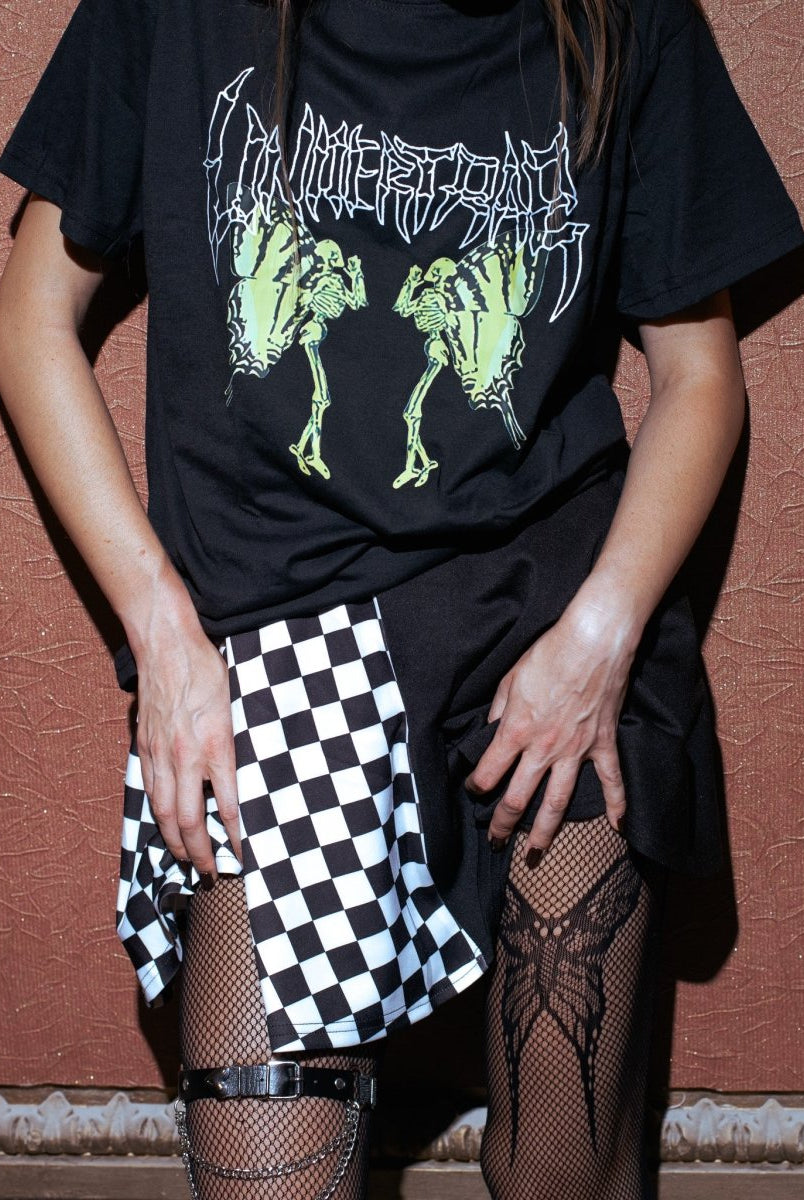
These are garments, so the label comes first. The Lace Underbust Corset in Black PU is listed as PU, polyester and elastic, in S, M, L, XL and XXL, and its lace-up sides are worth a wipe along each eyelet row. The Iron Vow Corset mixes black brocade with faux leather bust cups, in S, M and L, so wipe the cups and leave the brocade to its label. More are in our corsets collection and the plus-size corsets guide.
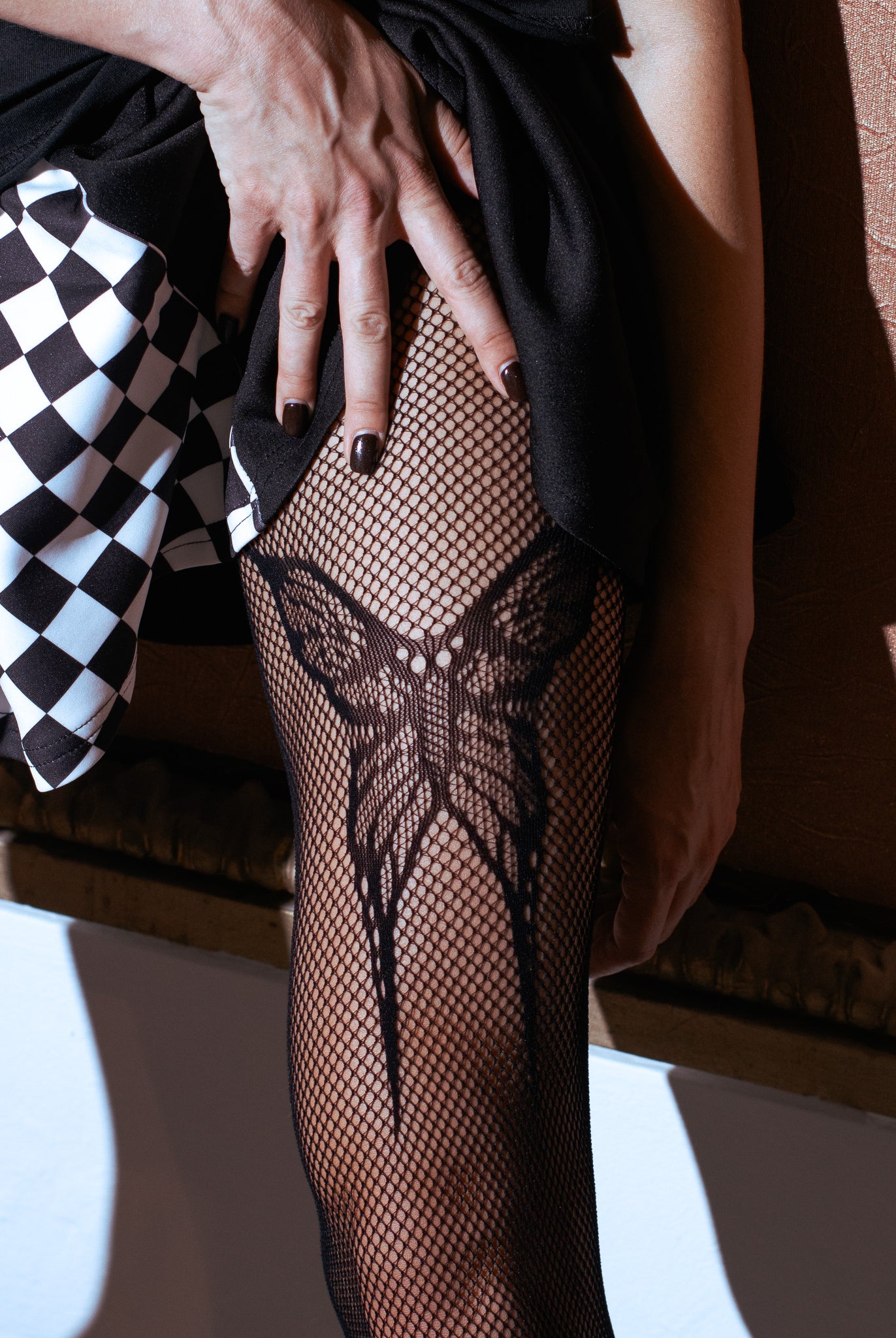
Read the material line as well as the name. The Black Goth PU Leather Skirt, tiered and laced at the front, is listed as polyester, PU and faux leather, in S, M and L, which is the film-on-fabric build Wikipedia describes. The Black Goth Winter Leggings are polyester, cashmere and faux leather with a thermal inner layer, in S to 4XL.
Coats
The Long Coat is black faux leather with faux fur accents, in XS/S, M, L and XL. DLI's warning is about outerwear with polyurethane coatings. The listing says faux leather without naming the coating, so if the label sends it to a dry cleaner, tell the cleaner it is coated faux leather. Our goth winter layering guide covers what to wear under it, and the jackets and coats collection holds the rest.
Boots
Boots sit outside the care-label rule, so the surface clean and dry storage are the whole routine. The Gothic Lace-Up Knee-High Boots are listed with a PU shaft, short plush lining and rubber outsole, in US 4 to 11. After rain, wipe them and dry them the way Collonil dries wet shoes: packed with newspaper "in a warm, well-ventilated room", never on a radiator. SATRA ties PU breakdown to footwear that has been wet. Our goth boots guide compares styles, and the goth boots collection is where they are.
Chokers and harnesses
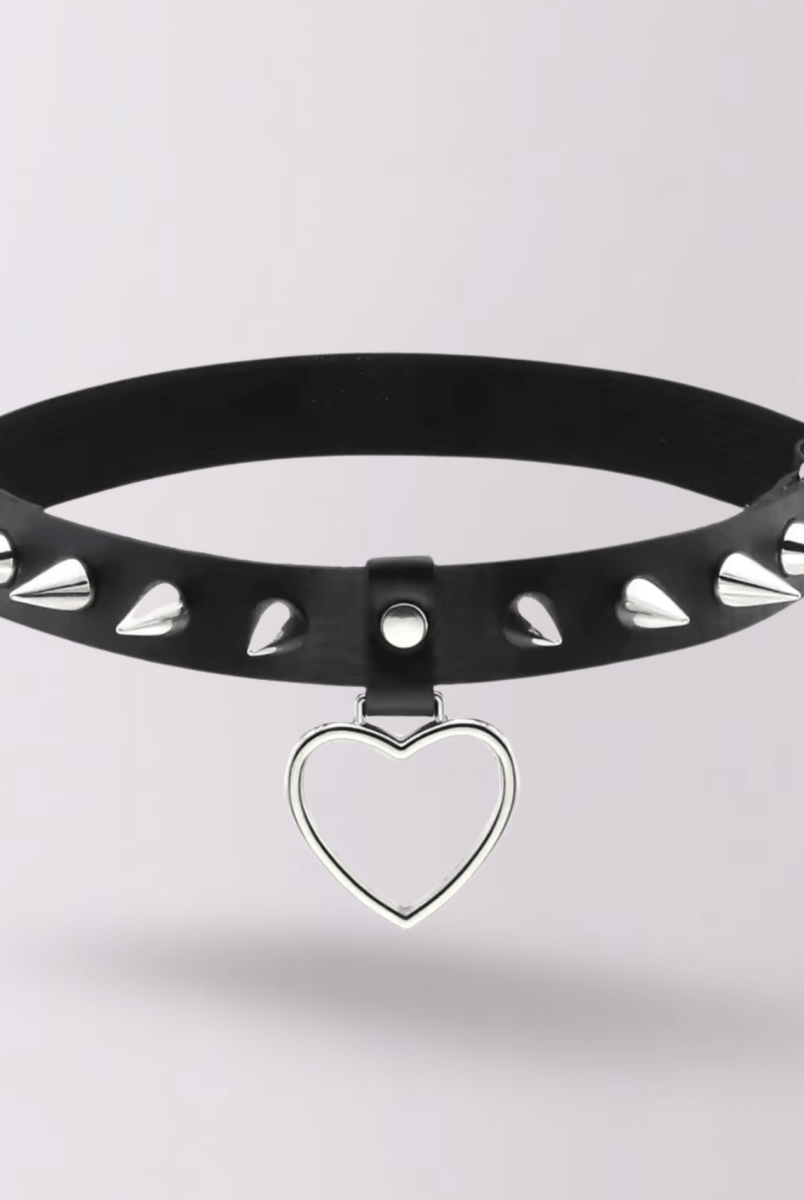
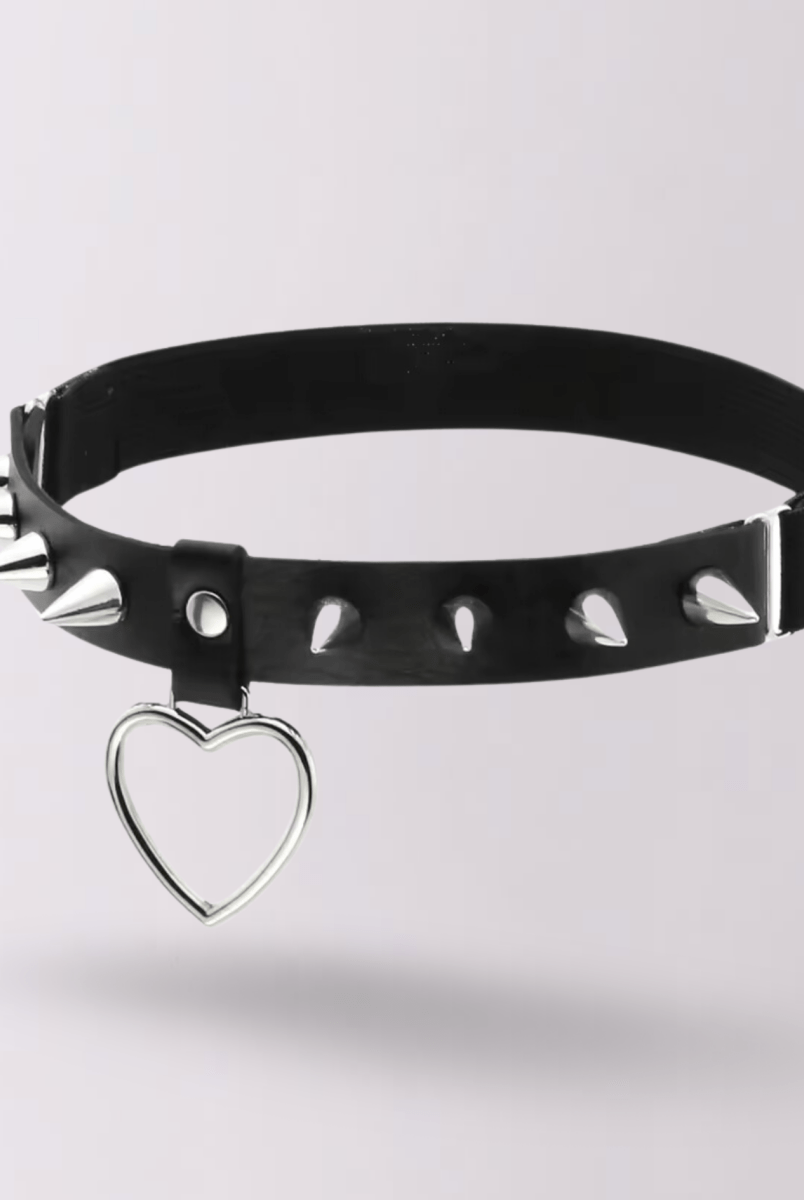
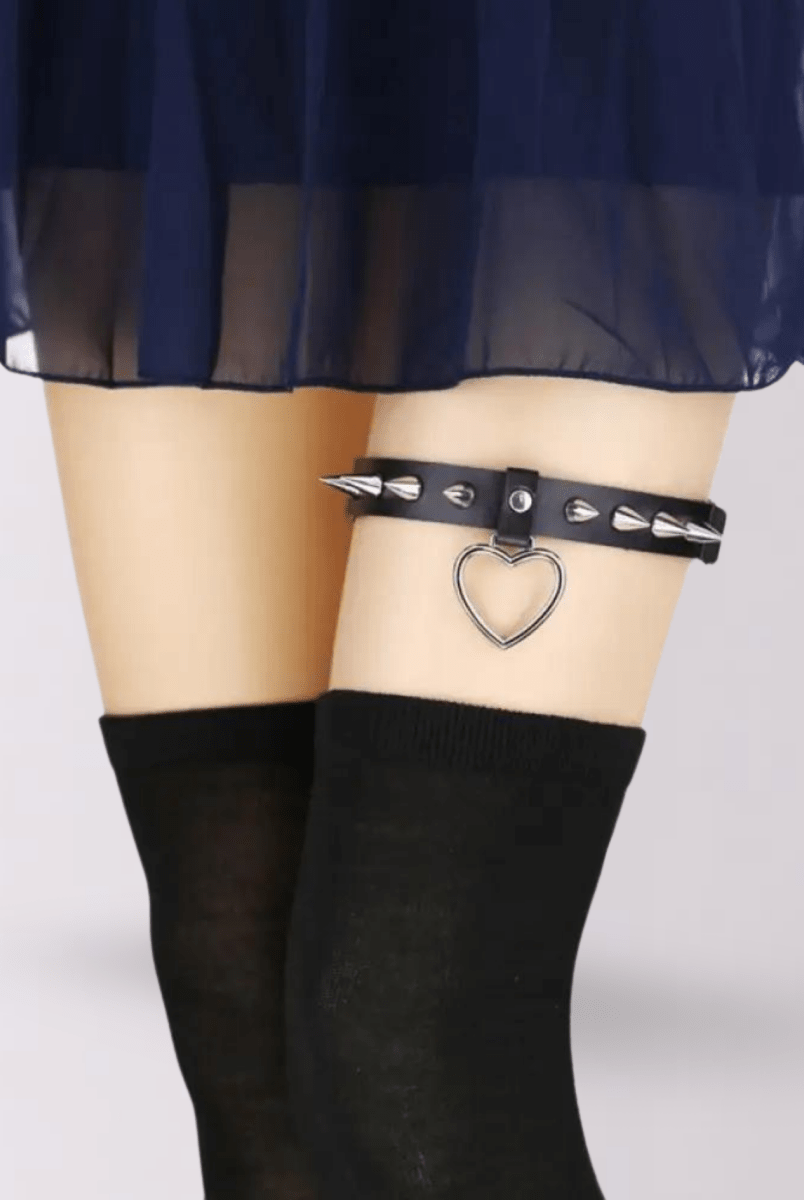
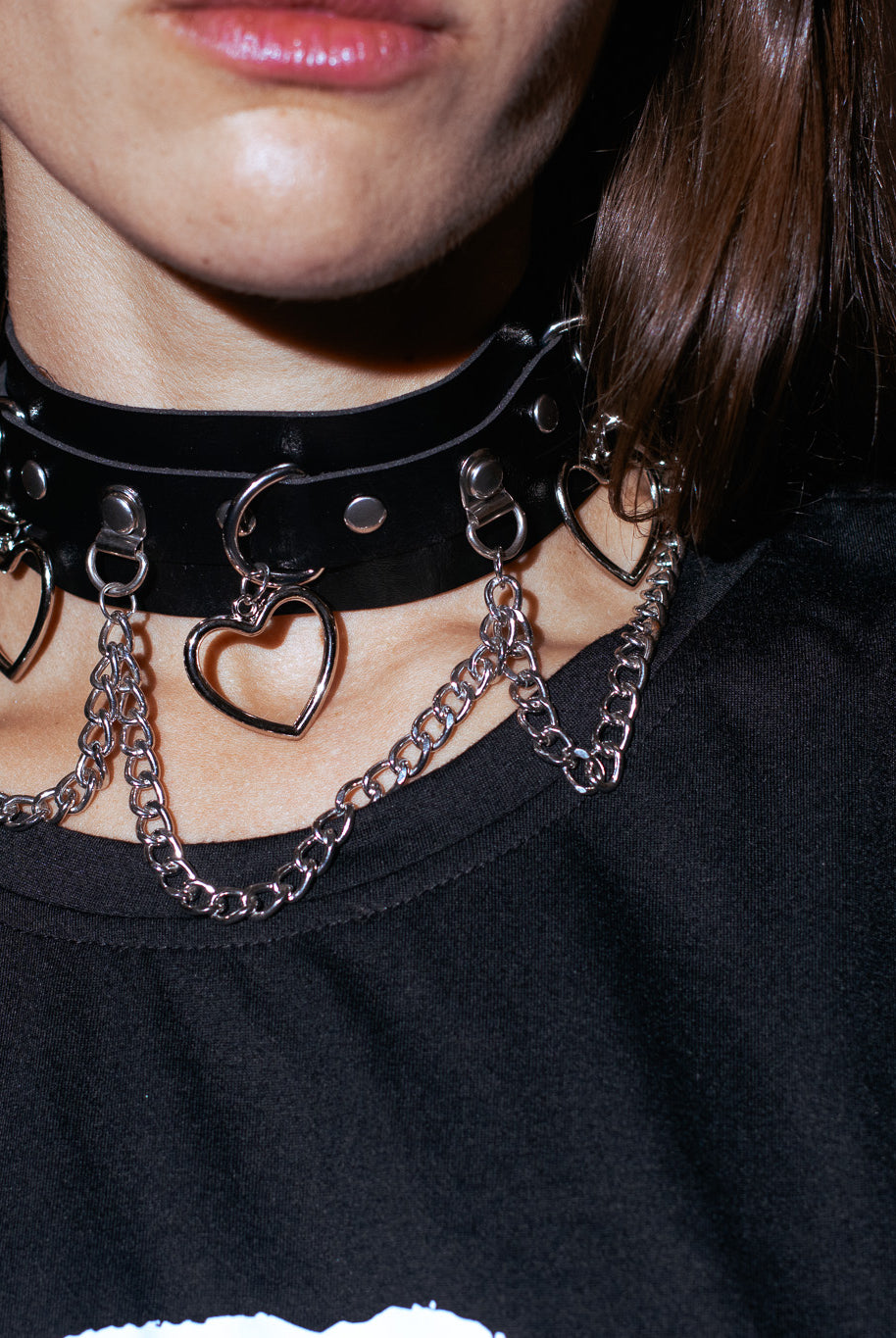
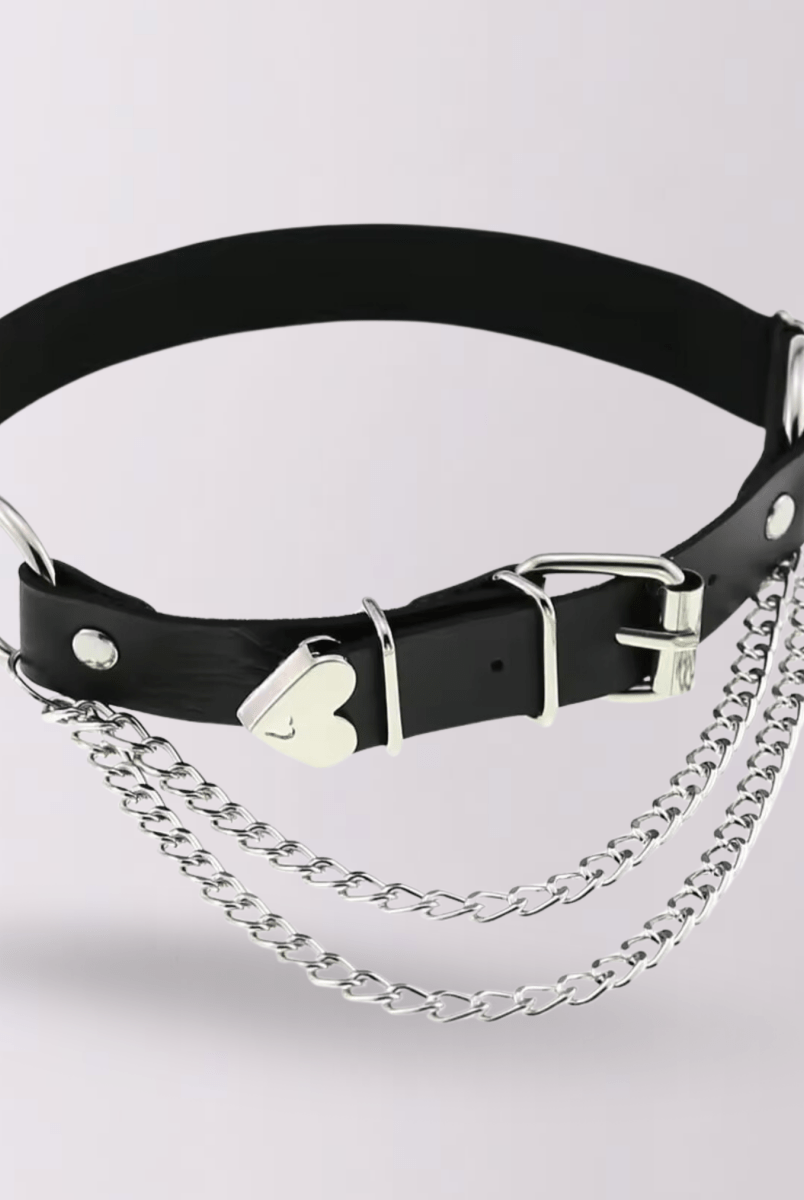
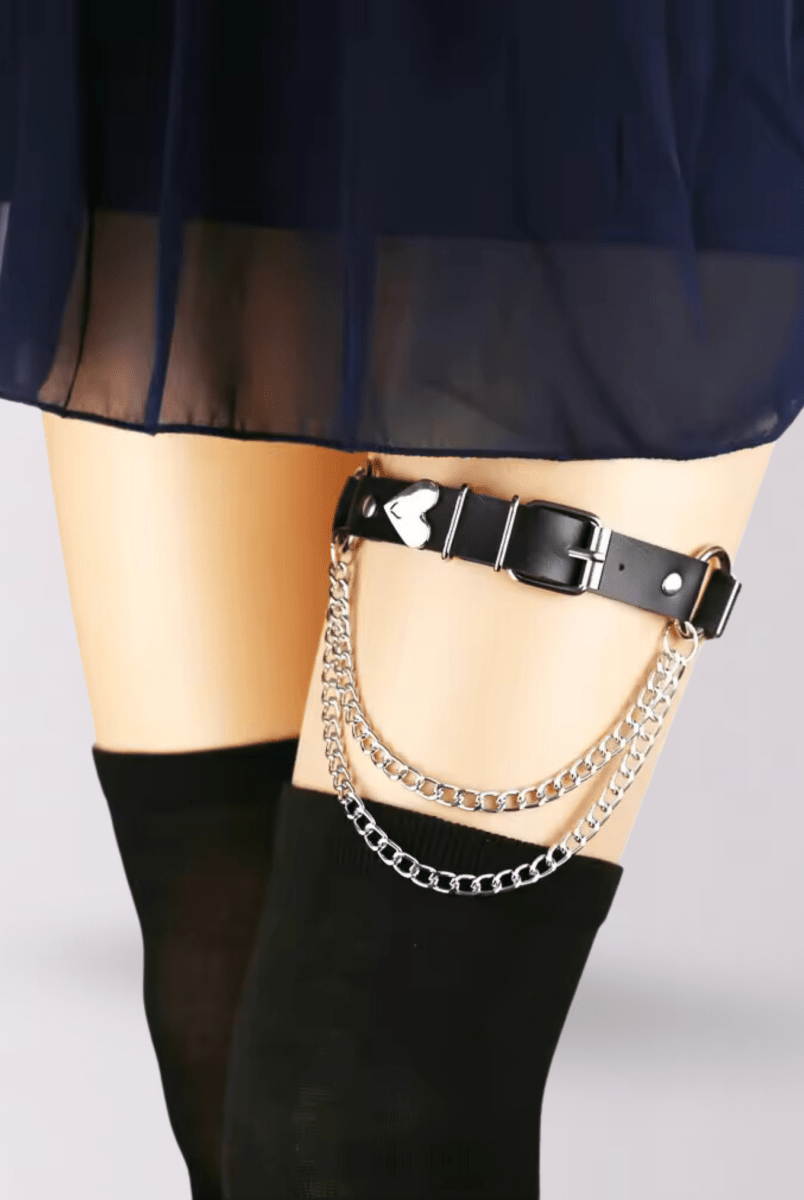
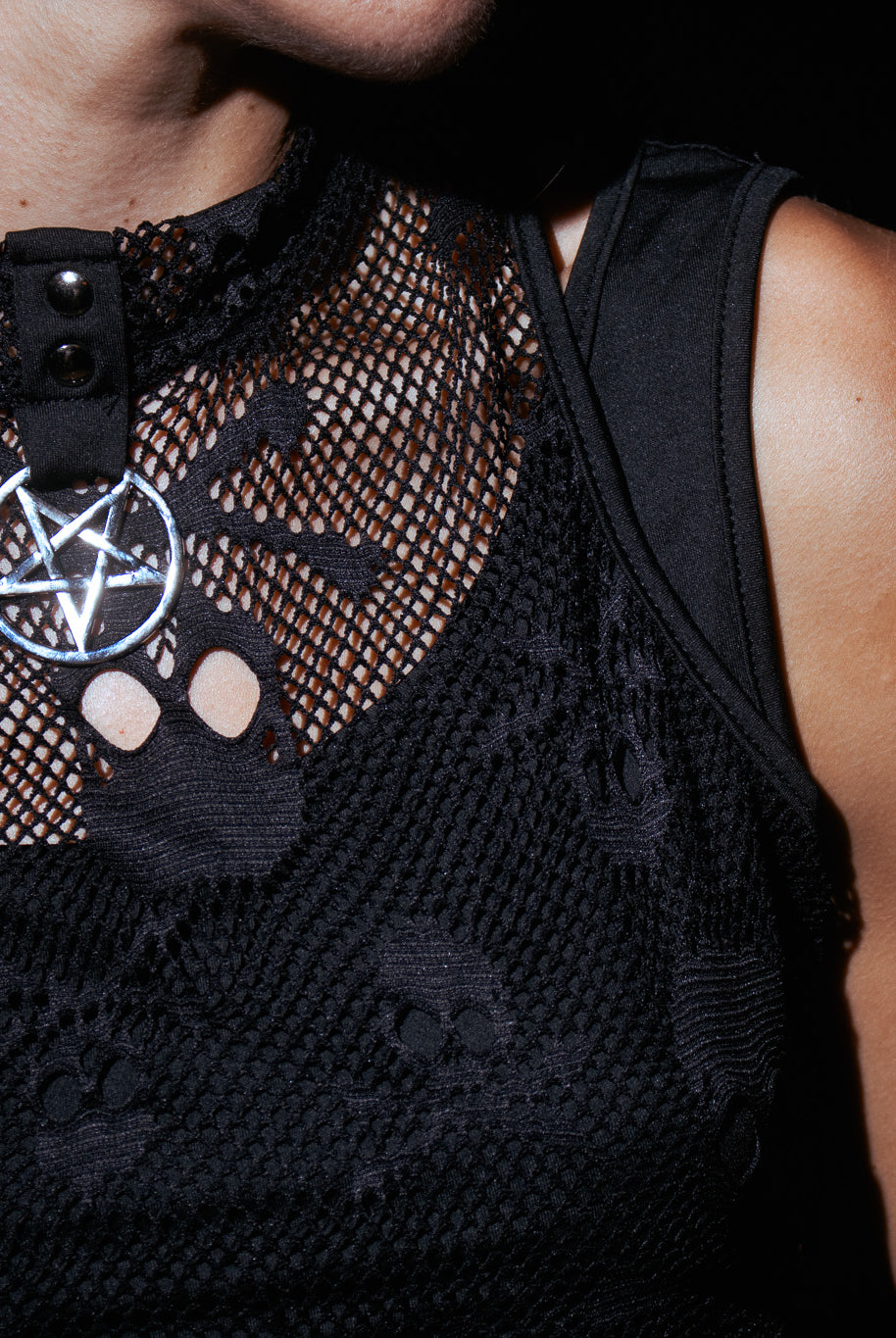
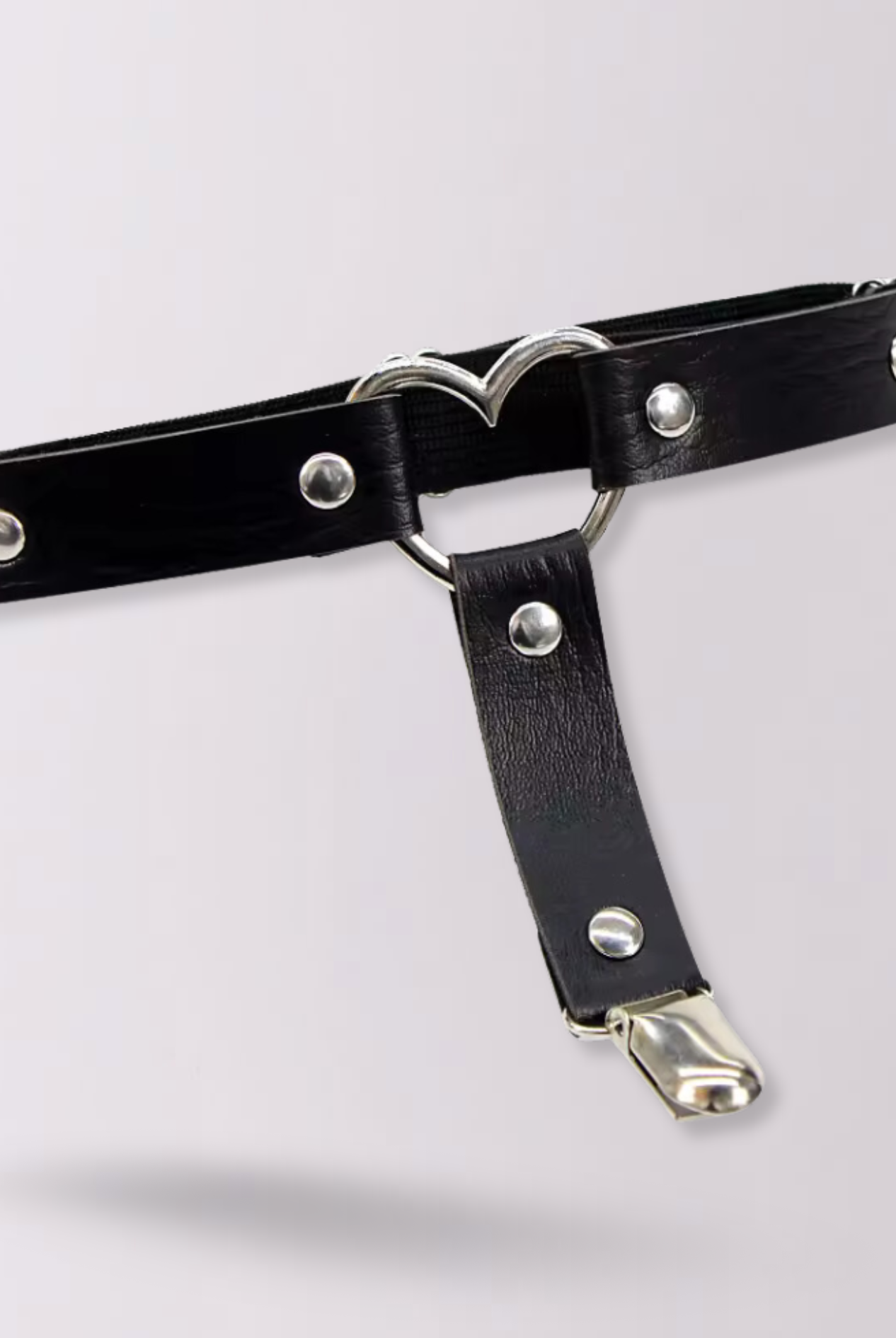
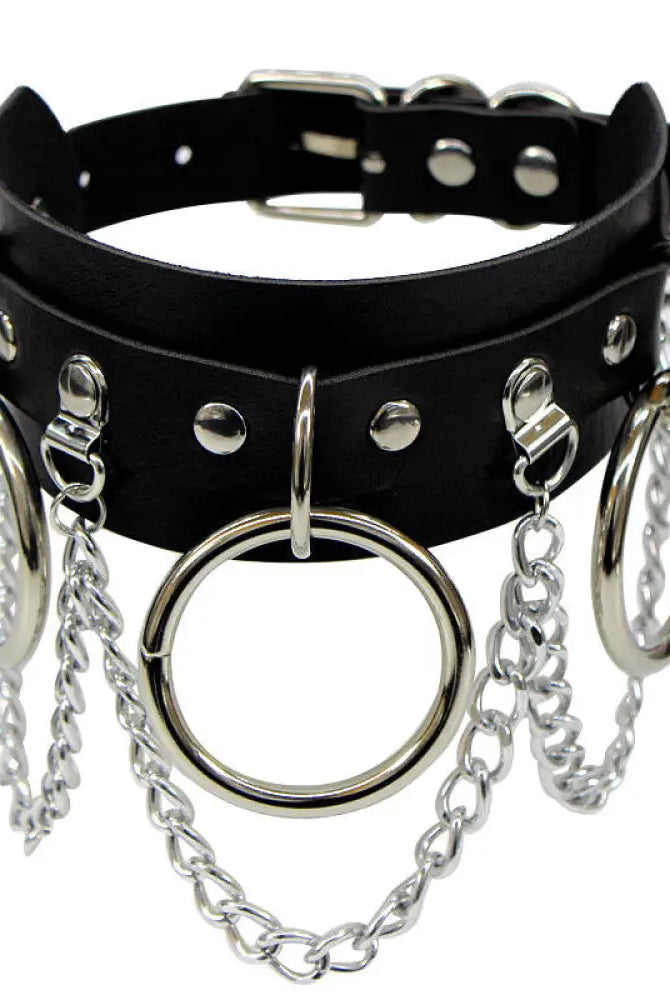
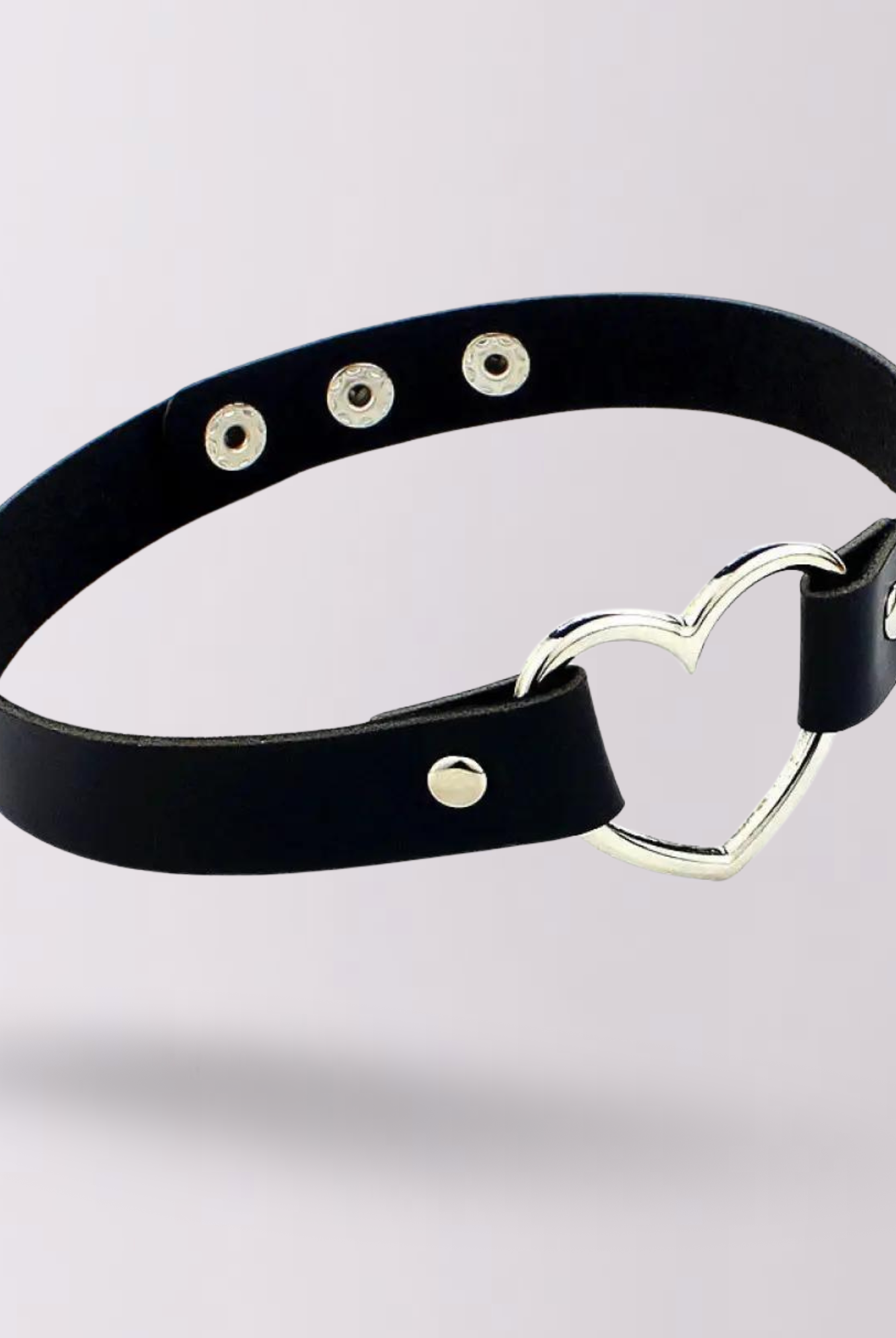
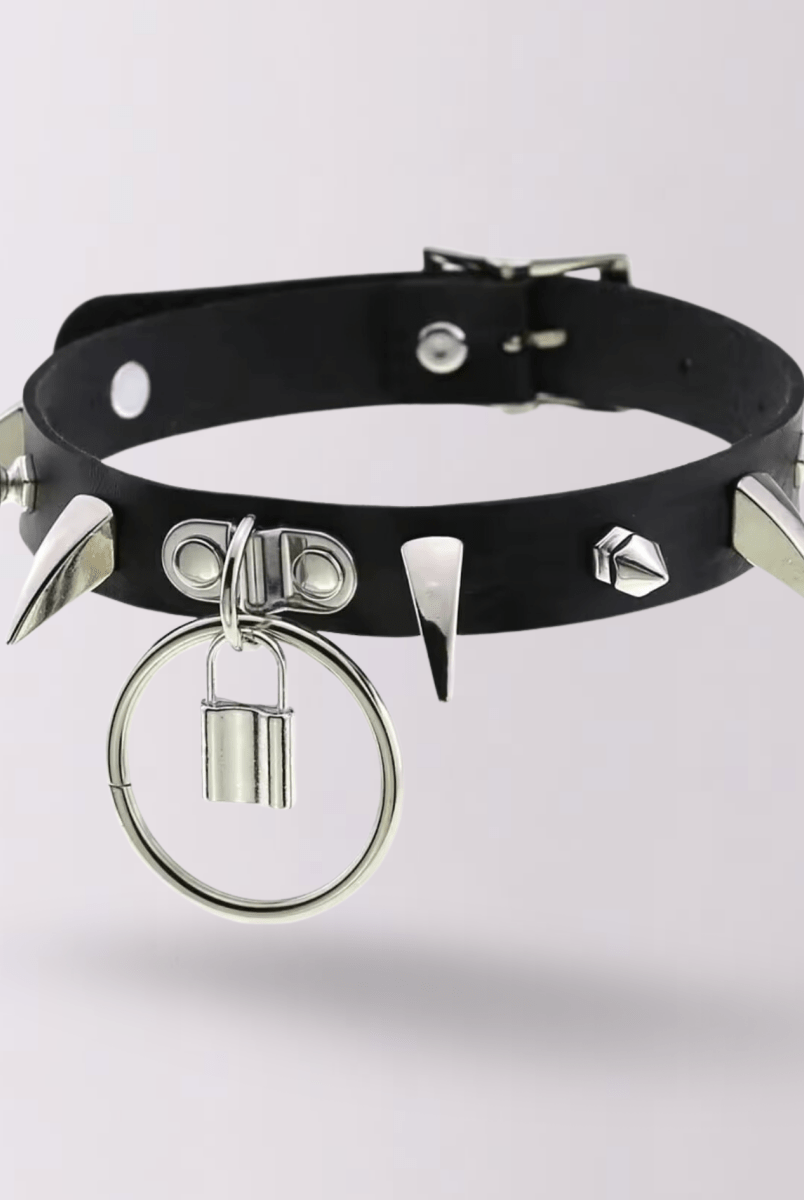
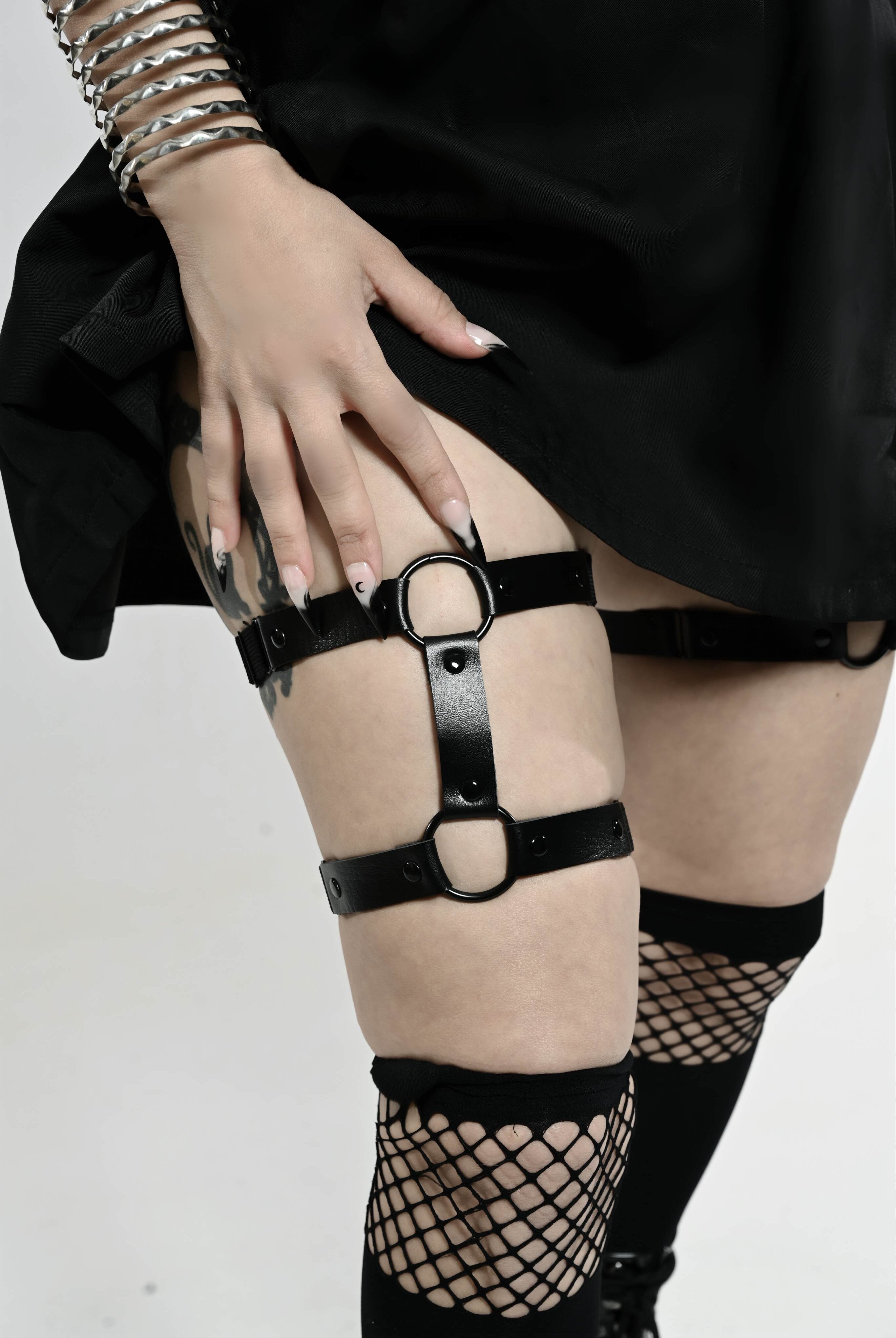
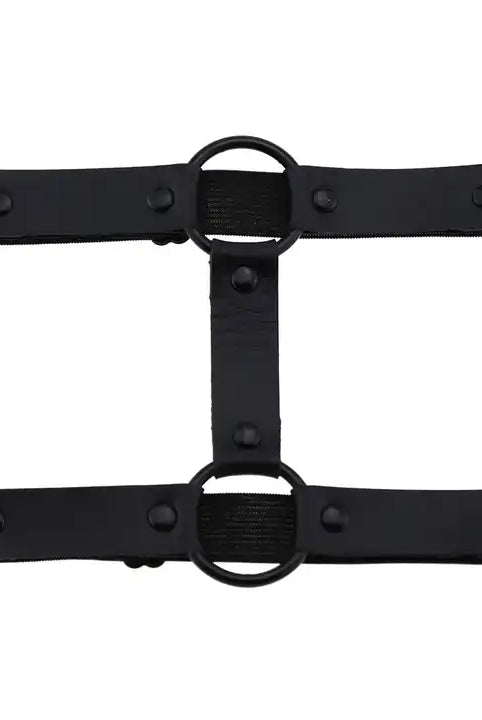
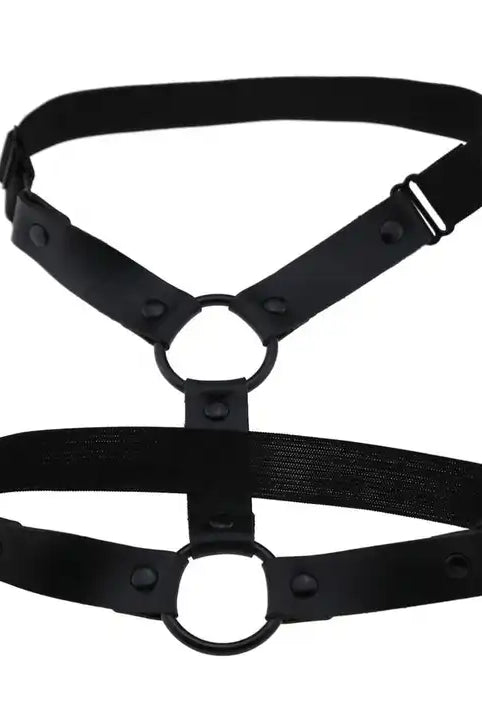
These sit against bare skin, which is where Collonil's warning about skin, creams and lotions applies most. Wipe a choker or harness with a damp cloth after a long wear, before the residue sits on the coating. The Pentagram Choker Sparkle is PU leather with iron alloy and the Leather Pentagram Harness is synthetic leather. Scratches on the straps matter: a break in the top layer is where Maxwell says moisture and cleaners get in. Our chokers and collars guide and body harness guide cover how to wear them, and the chokers, harnesses and garters collection holds the rest.
Bags and belts
Belts are excluded from the care-label rule and the FTC lines do not name bags, so if there is no label, both get the surface clean. The Leather Gothic Coffin Shoulder Bag is PU outside with a polyester lining. Our goth bags guide has more.
Faux leather care at a glance
The short version, from the sources above. A garment's label still comes first.
| Piece | Label to read? | Clean | Dry and store | Watch for |
|---|---|---|---|---|
| Corset, skirt, leggings | Yes, follow it | Wipe the PU; wash only as the label allows | Room temperature, no direct heat; cool, dry, aired | Brocade or lining with different needs |
| Coat | Yes, follow it | Wipe; dry clean only as the label says, and say it is coated | Cool, dry, aired, out of strong sun | Dry-cleaning solvent on PU coatings |
| Boots | May be none (shoes are exempt) | Wipe, rinse, dry | Newspaper in a ventilated room, no radiator; cool, dry, ventilated | Being put away wet |
| Choker, harness | Check; the rule does not name them | Wipe after wearing | Cool, dry, aired | Lotion residue; scratches at buckles |
| Bag, belt | Belts excluded; bags not named | Wipe, rinse, dry | Cool, dry, aired | Harsh cleaners and wipes |
Frequently asked questions
How do you keep faux leather from peeling?
You can slow it, not prevent it. Clean it only with mild soap and water and wipe that off, keep strong heat, bleach and solvent away, wipe off skin creams, and store it cool, dry and aired. PU still breaks down with moisture and time.
What ruins faux leather?
Strong direct heat, harsh cleaners and bleach, repeated disinfecting, dry-cleaning solvent on a PU coating, lotion residue, and deep scratches that let moisture under the film. Over years, moisture and heat break PU down on their own.
How do you wash pleather pants?
Follow the label. If it shows a wash tub, wash them at no more than that temperature in a machine that is not overloaded, and dry them at room temperature unless the label shows the dryer symbol. If there is no label, clean the surface with a damp soapy cloth instead.
How do you wash a leather skirt?
For a faux leather skirt, the label decides. Read the material line too: ours lists polyester alongside PU and faux leather. Without a label, wipe it with mild soapy water, then clean water, and let it dry at room temperature. A skirt in real leather is a different job, which this guide does not cover.
Can I use Dawn dish soap on faux leather?
Majilite, which makes faux leather, cleans with mild soap and water and then wipes the soap off with clean water. Collonil, which sells faux leather cleaners, advises against cleaning with washing-up liquid. Whatever soap touches it, wipe it off with clean water afterwards.
Can I use Clorox wipes to clean faux leather?
Majilite says disinfectants can be used "provided they are evaluated beforehand", so try one on a small area first. Maxwell found that prolonged use of disinfectants can cause cracking and peeling. Wipe the area with clean water afterwards.