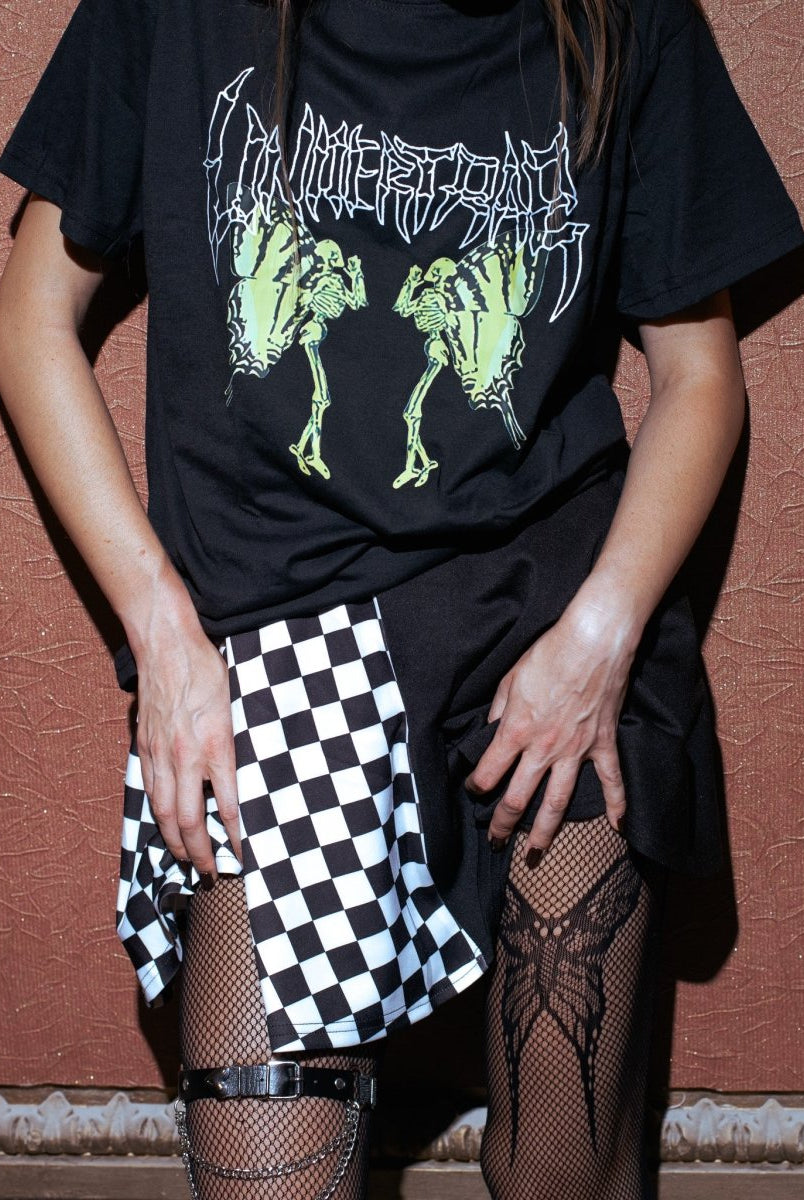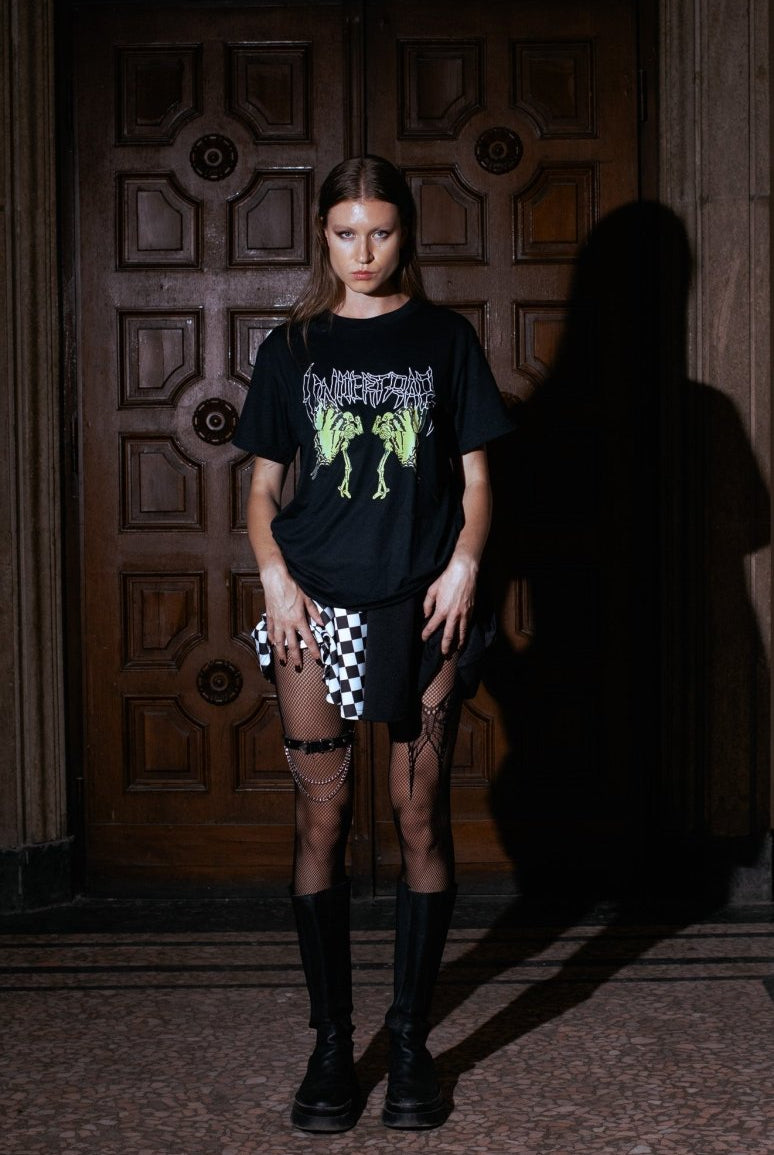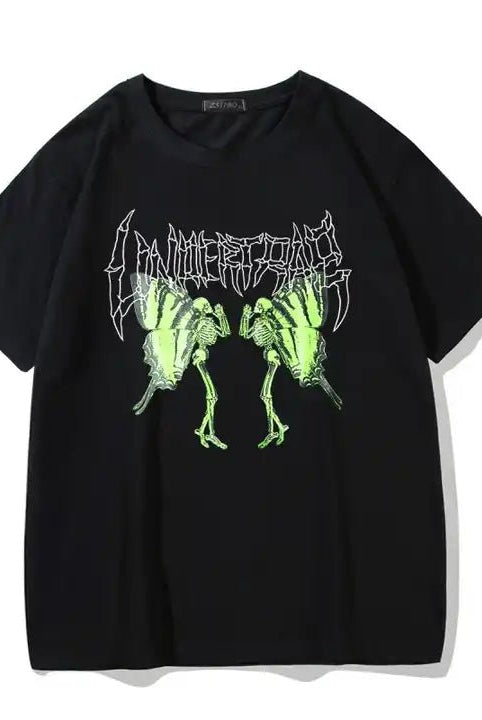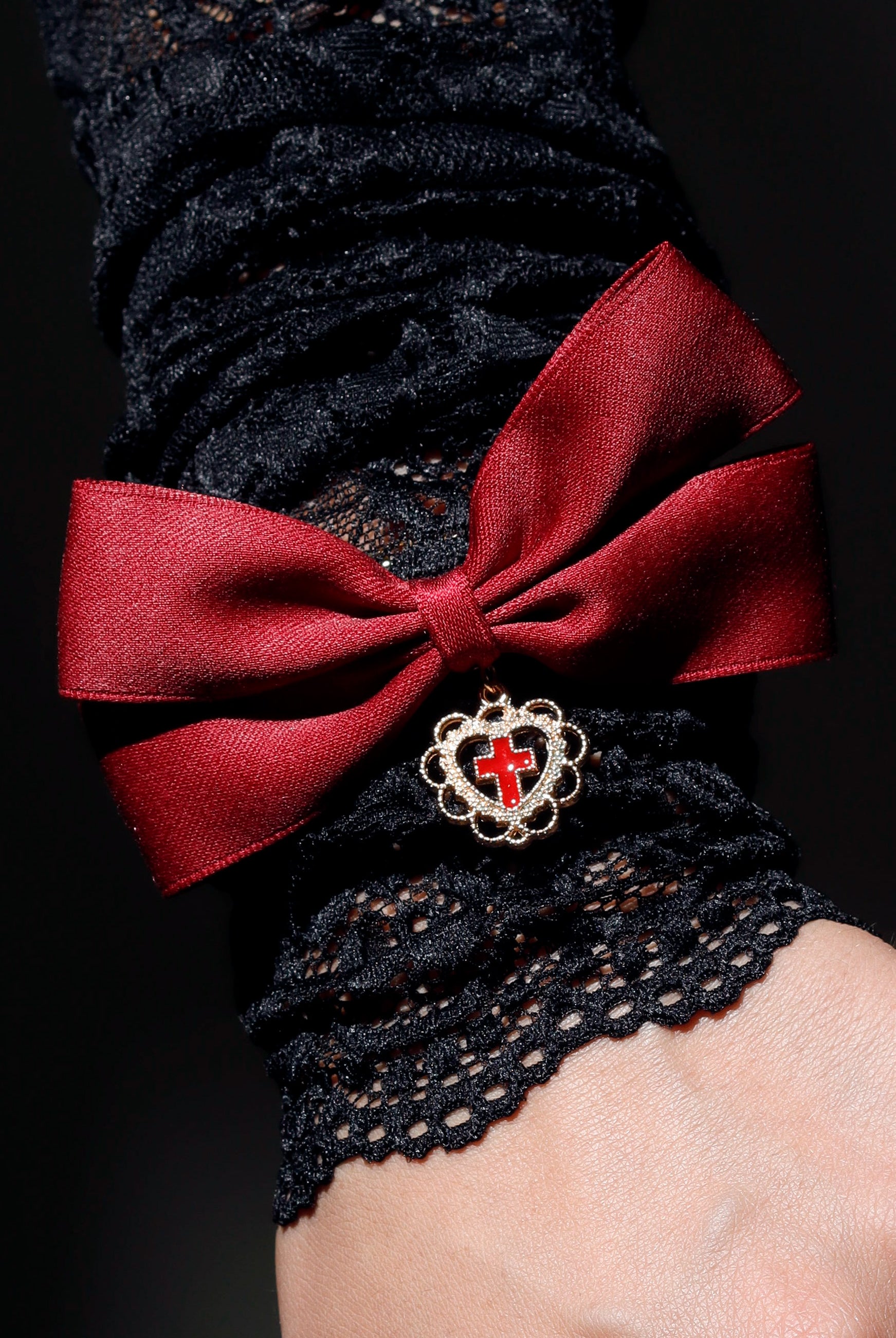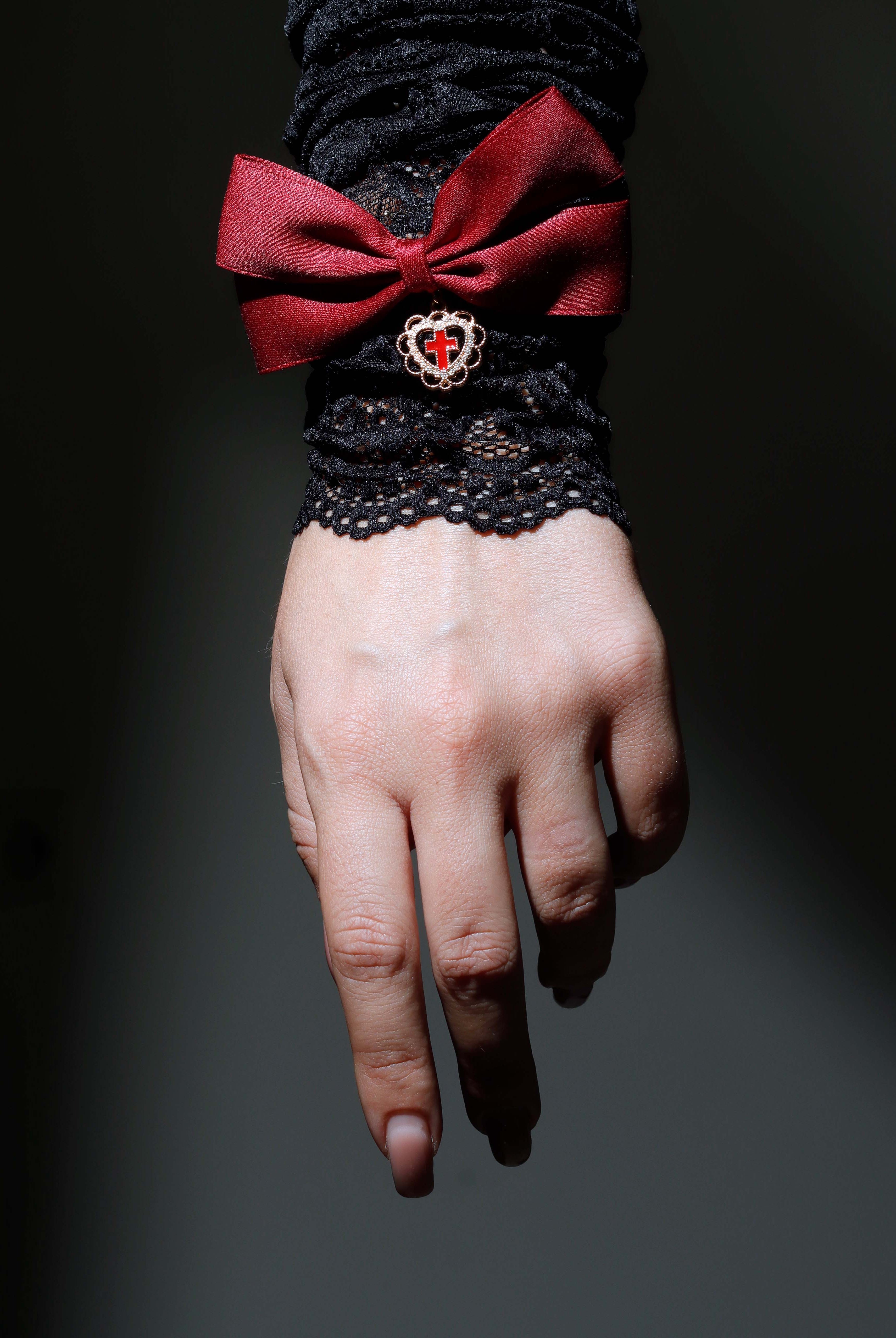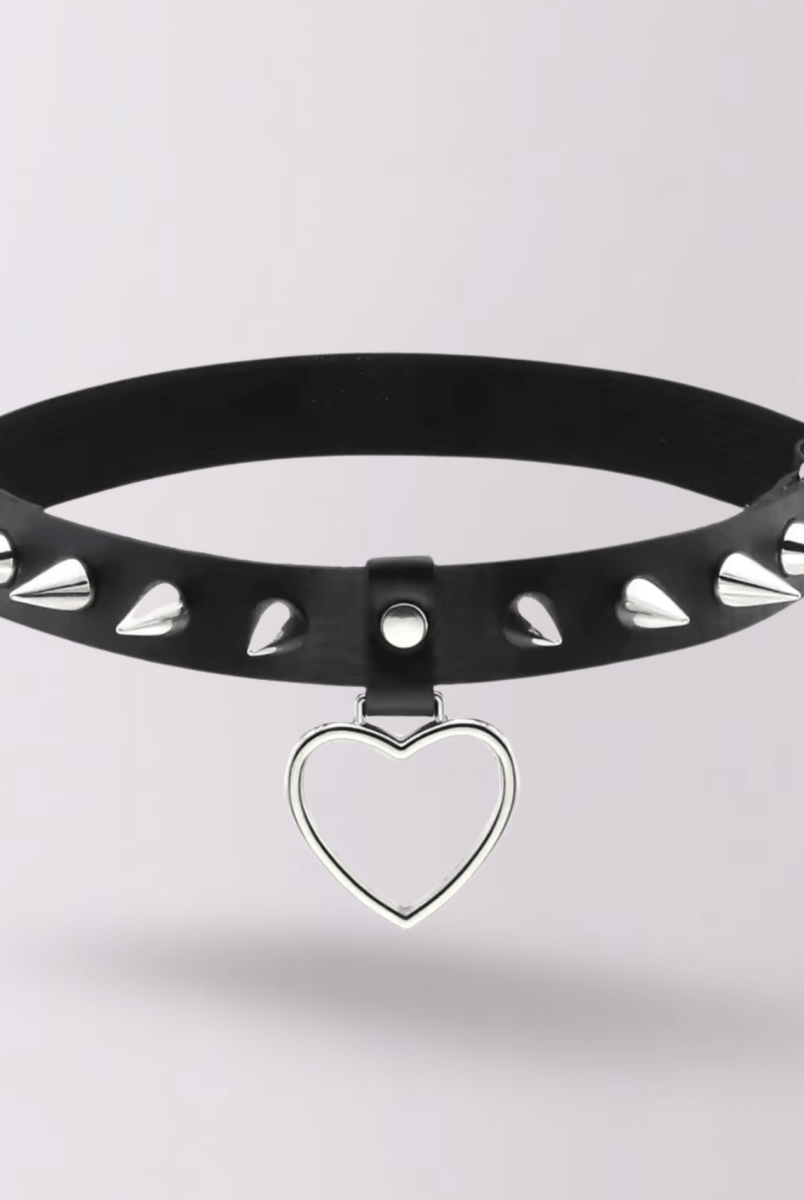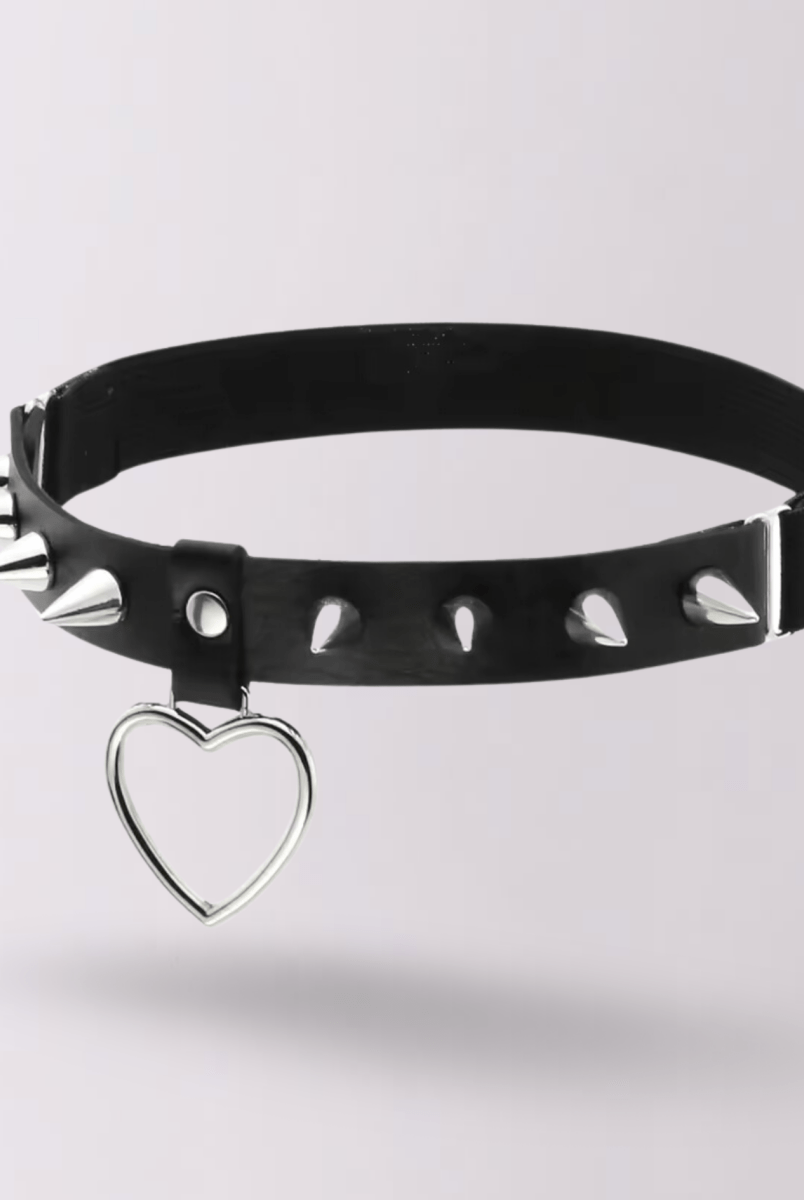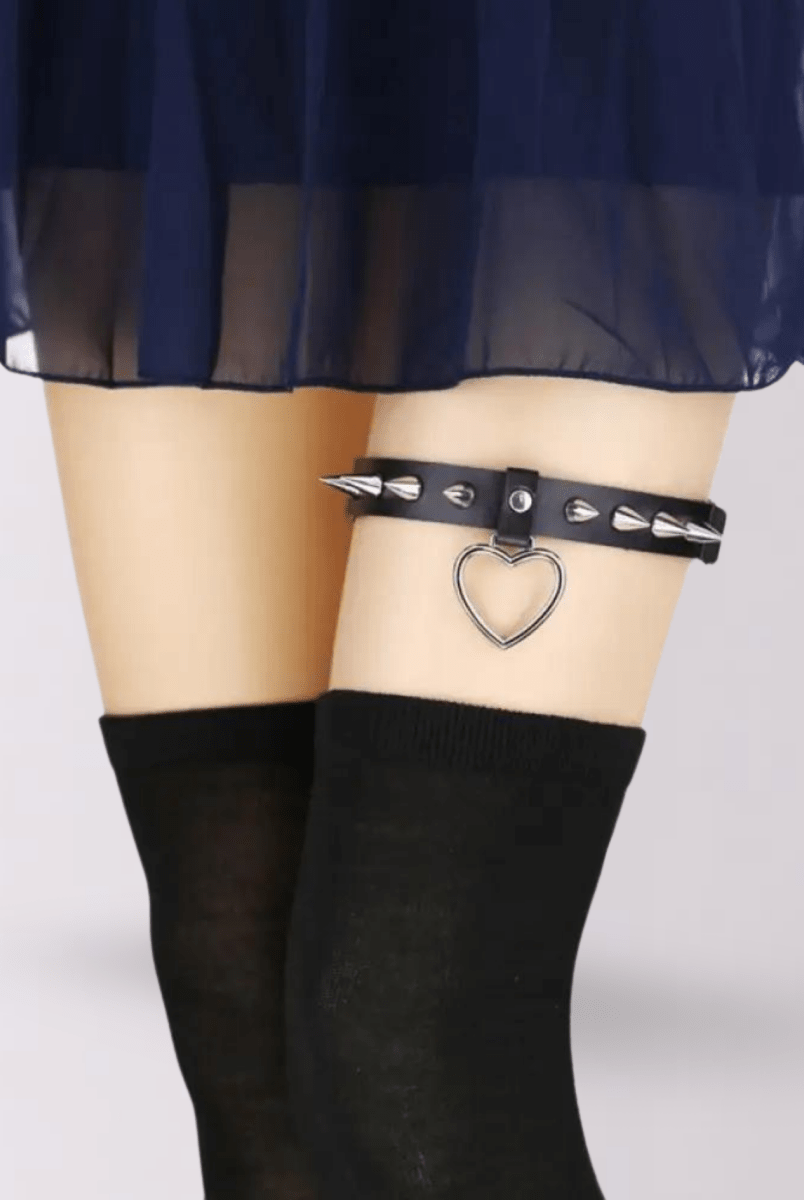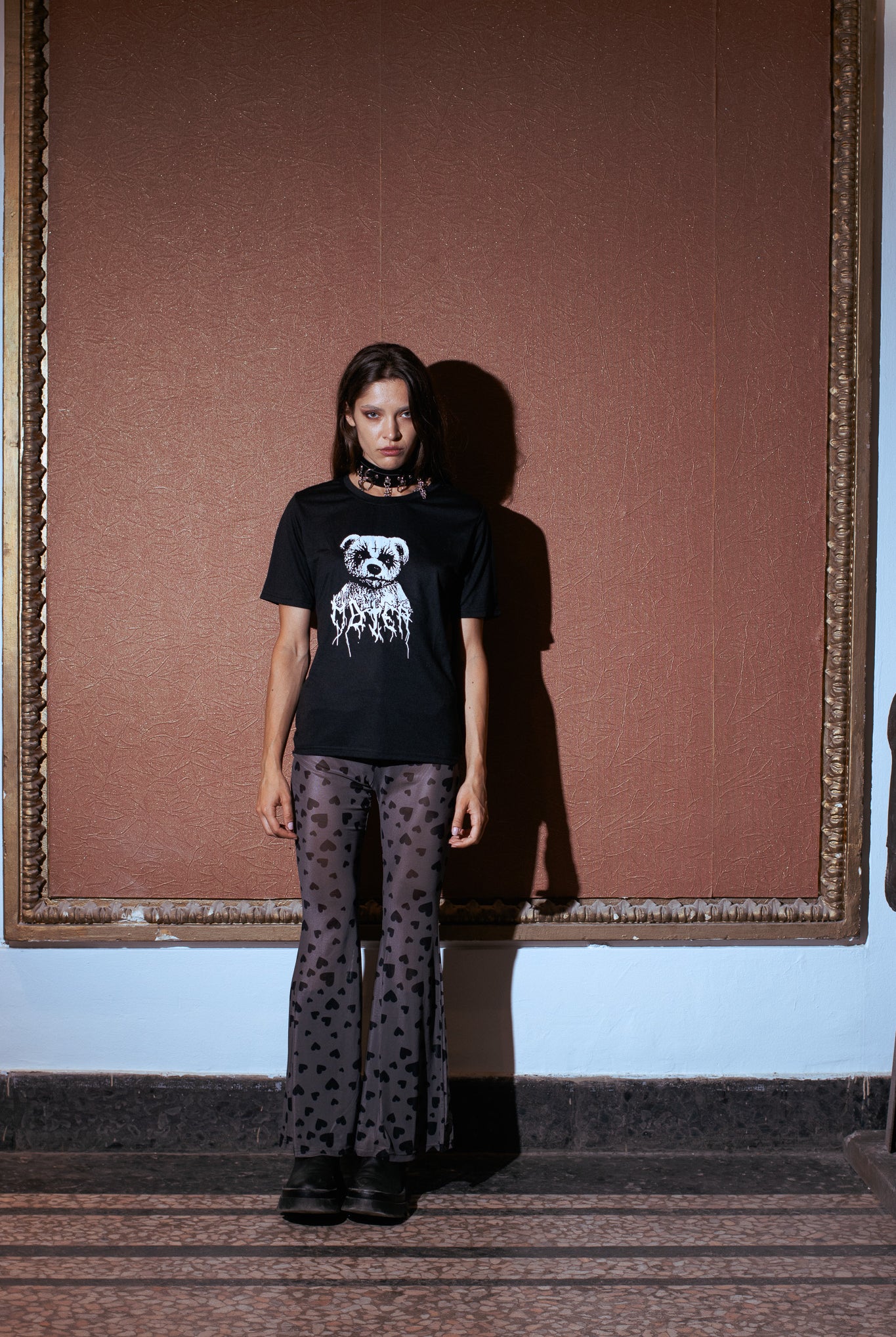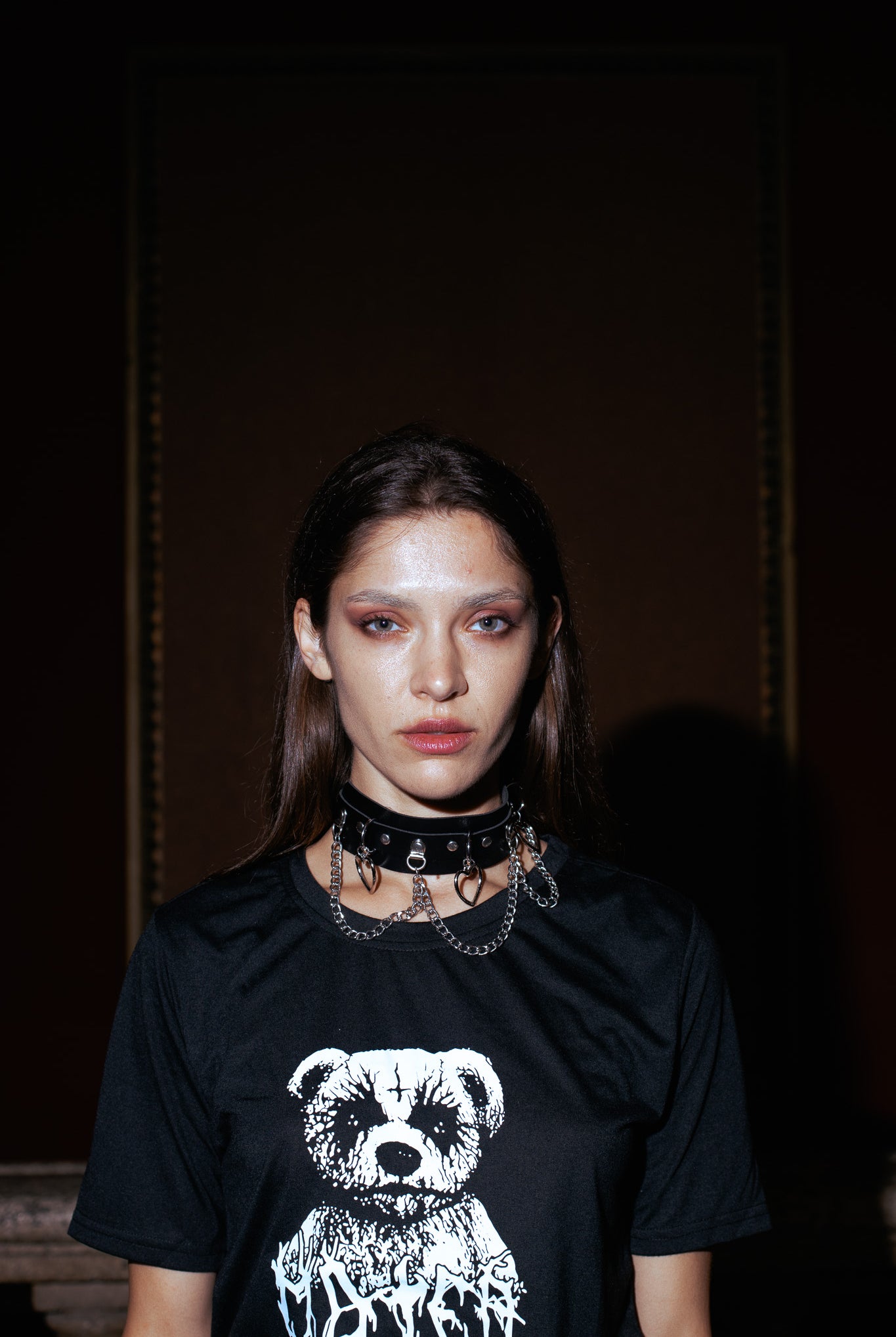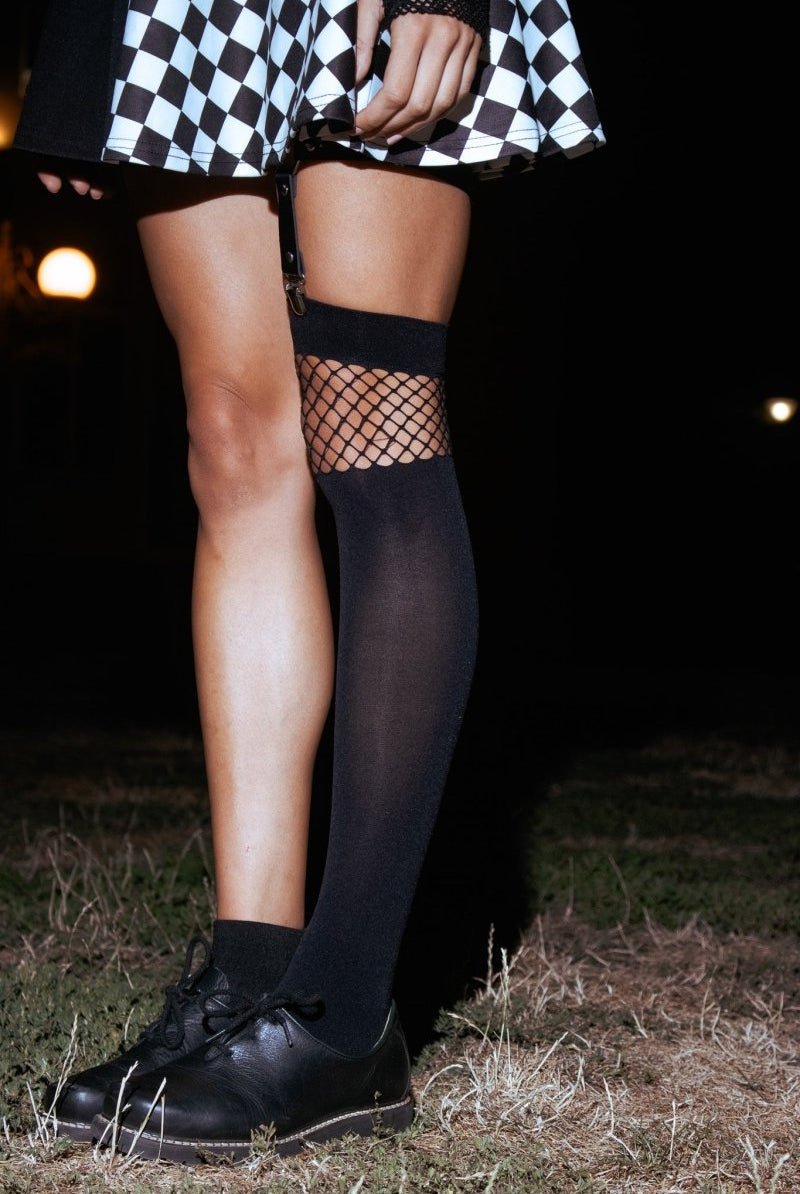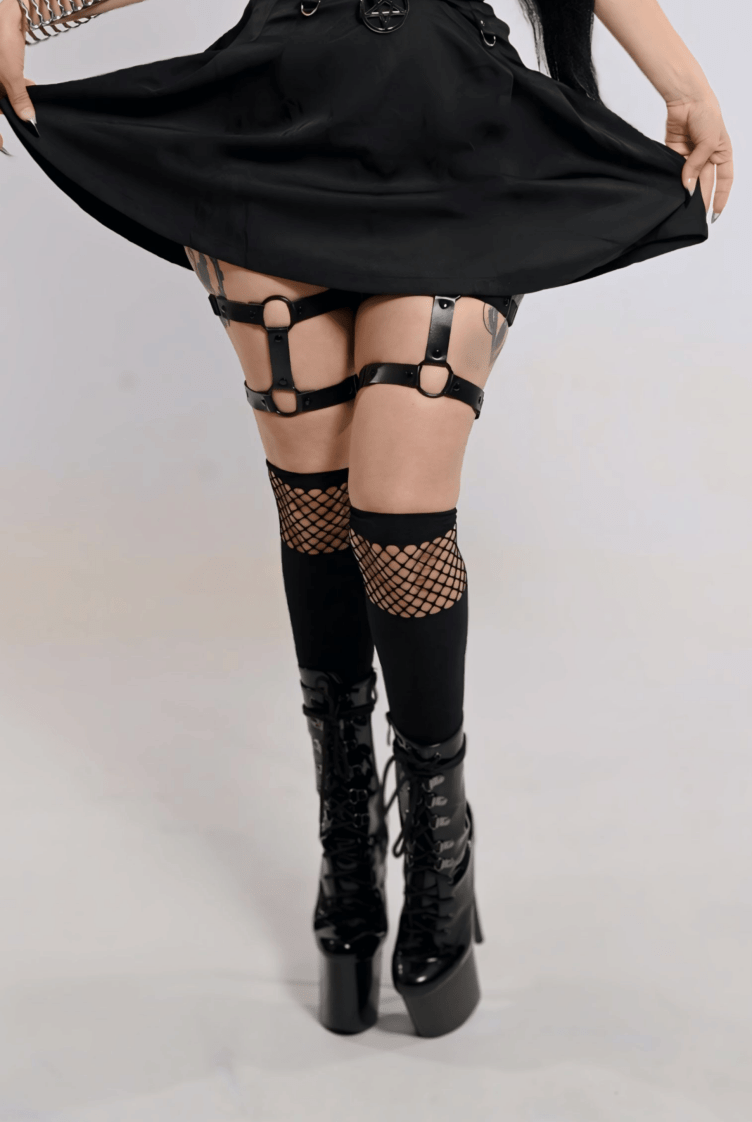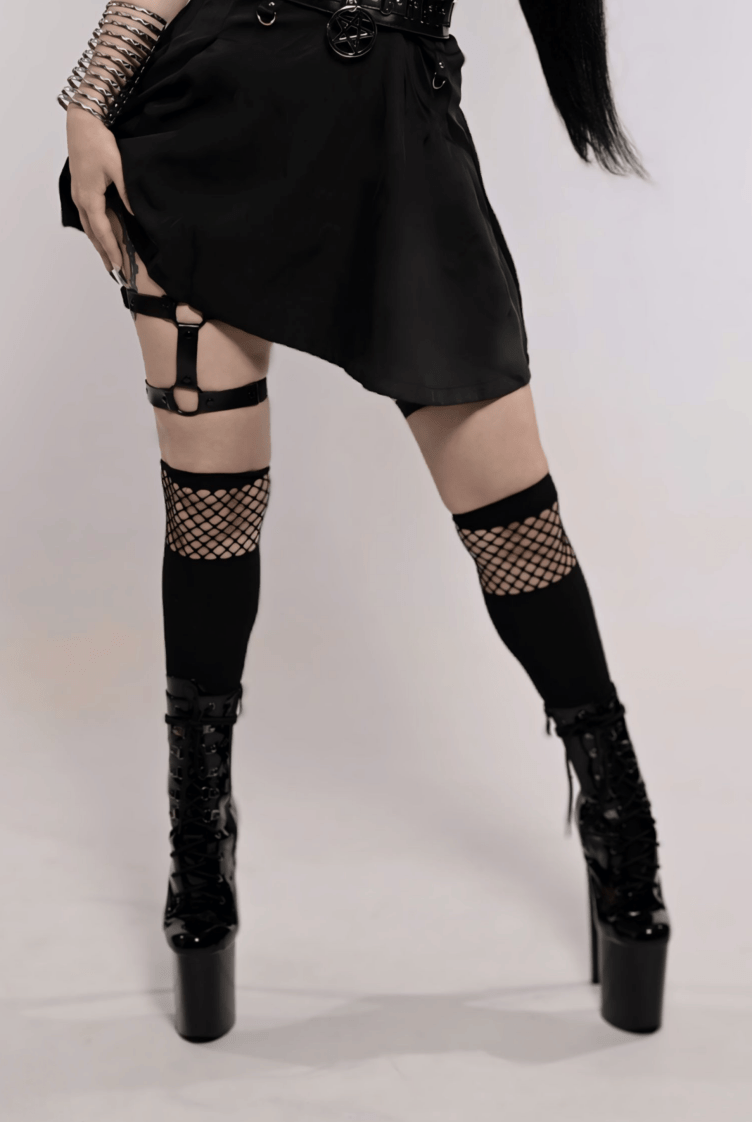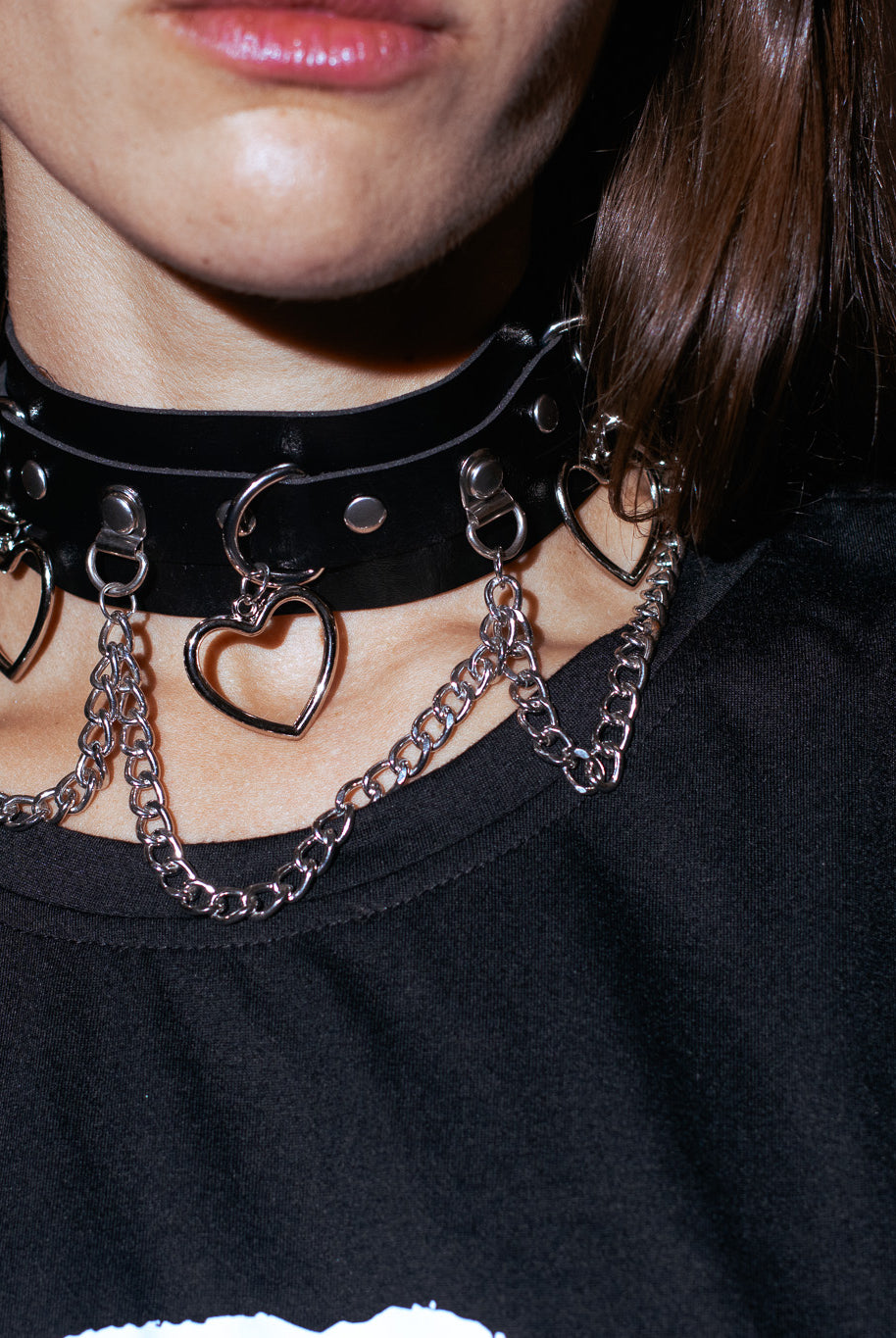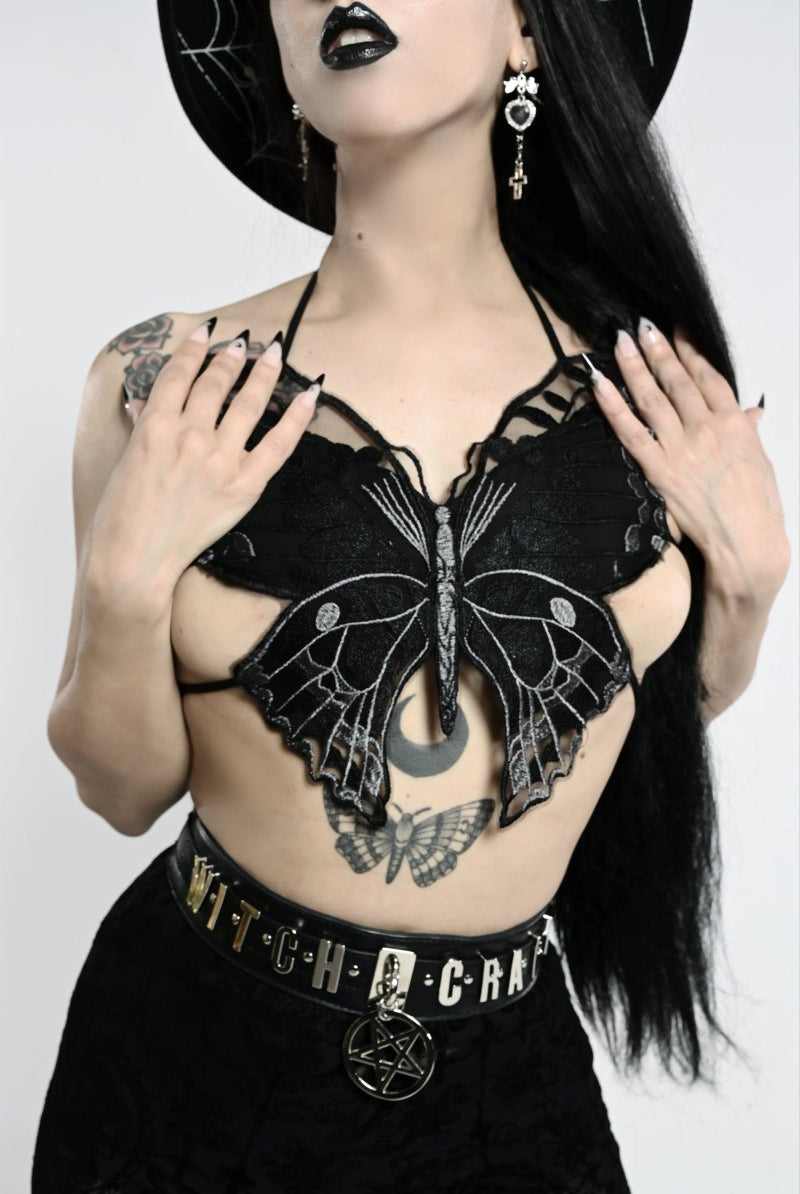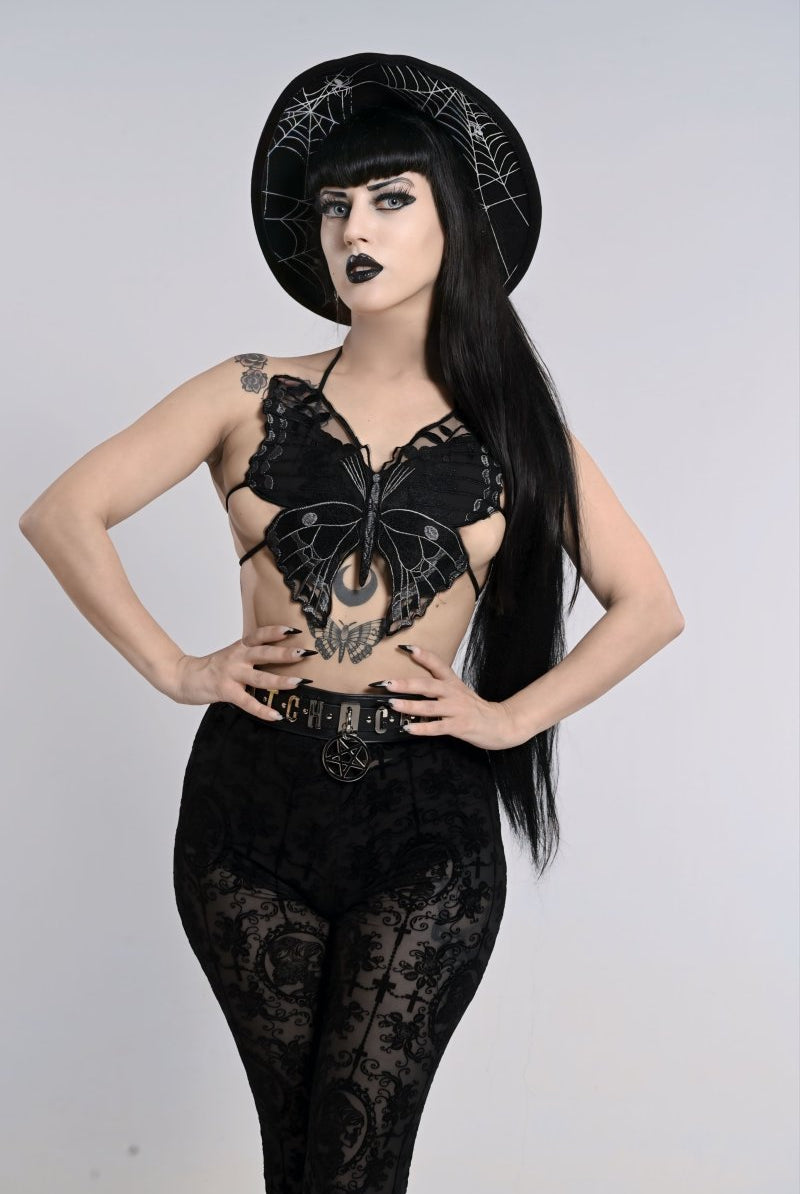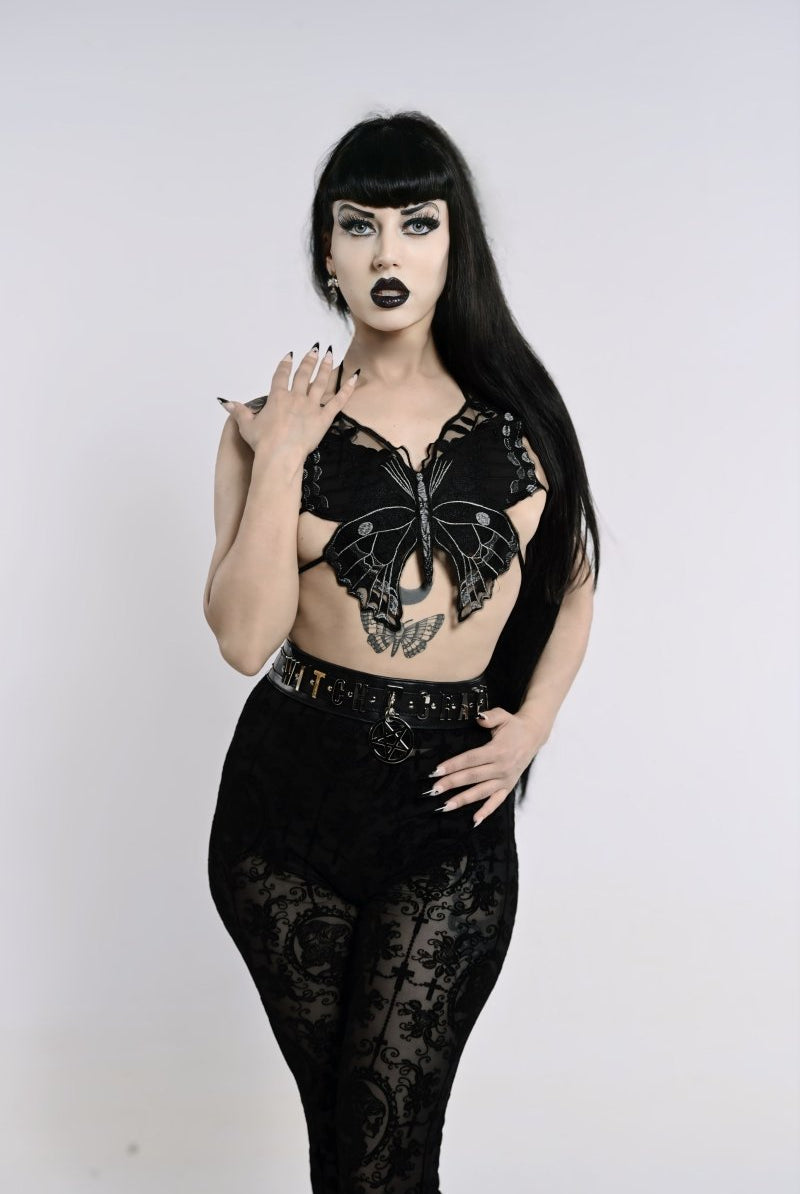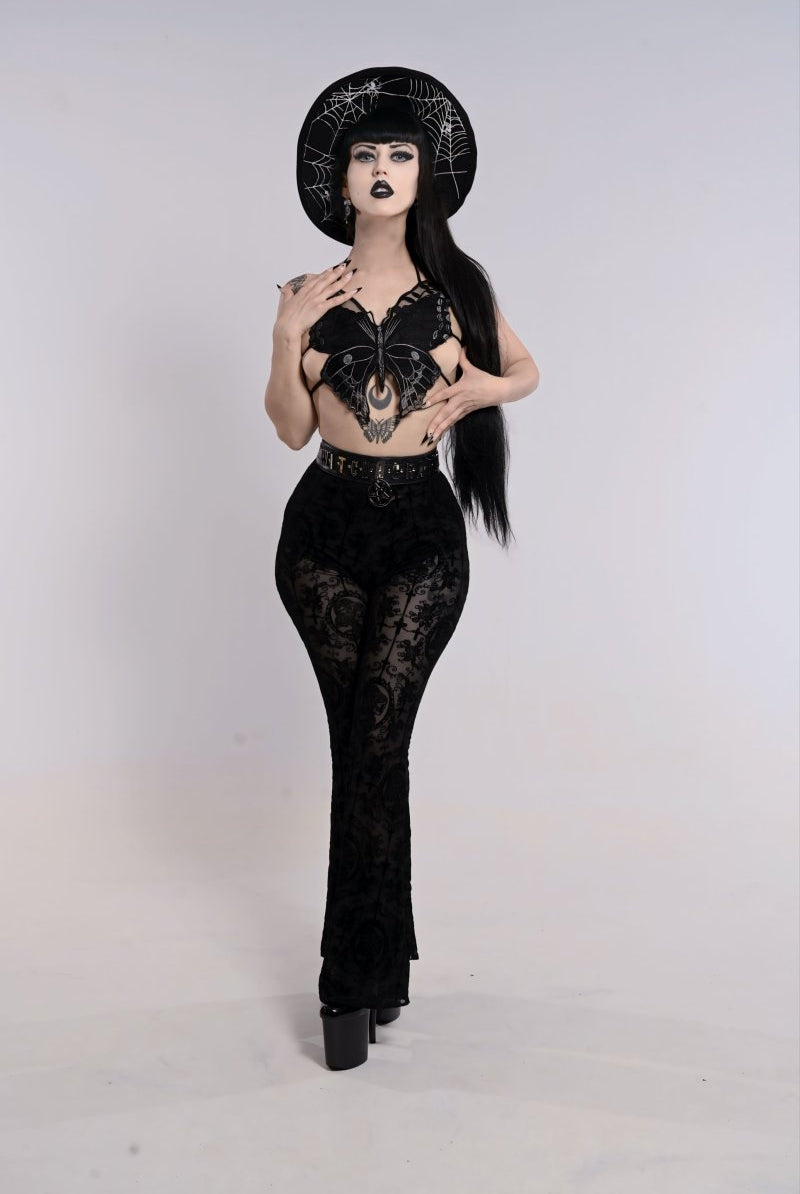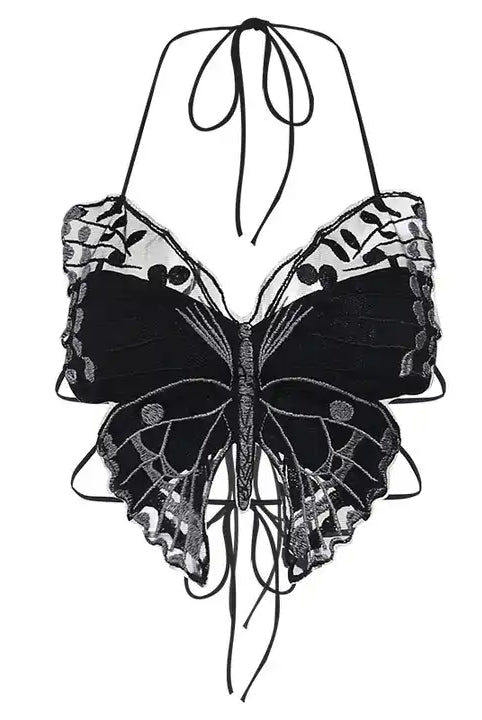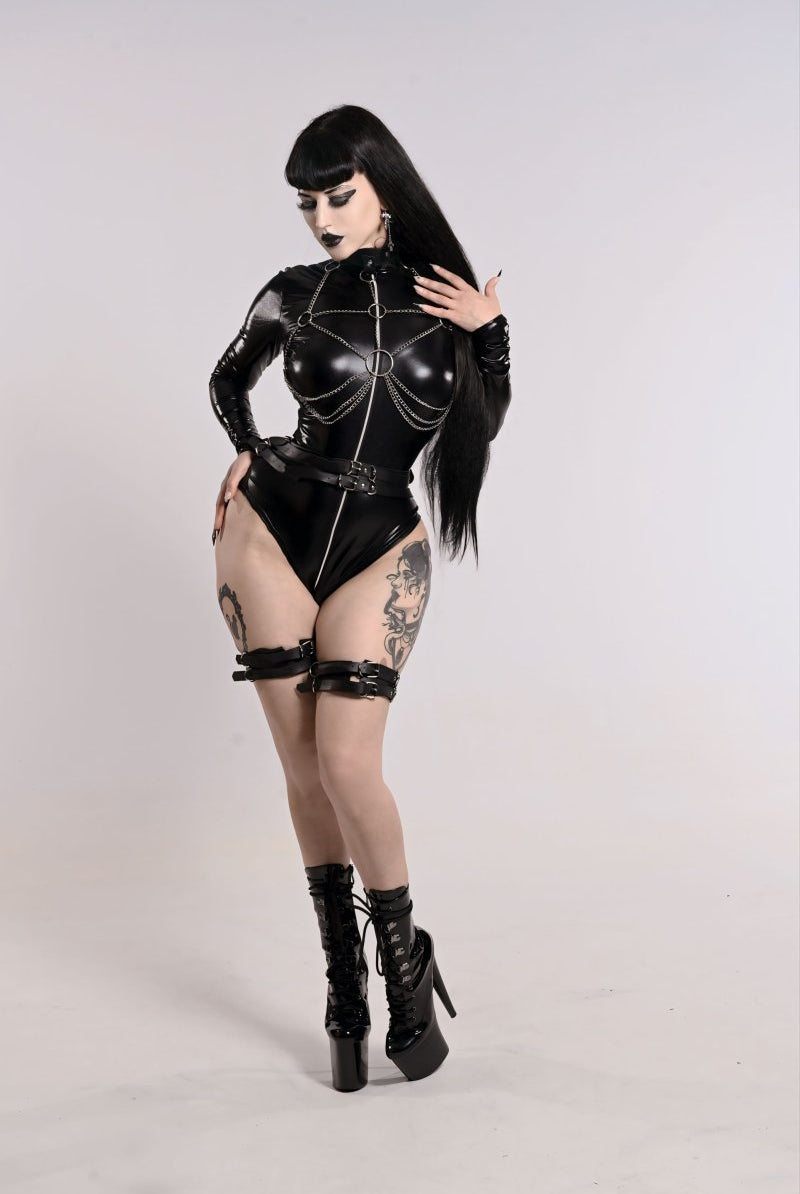
There are around twenty named types of goth, and they fall into three groups. Five grew out of music scenes, with records and clubs you can date: trad goth, deathrock, romantic goth, cybergoth and mall goth. A second group came from books and films, and the newest, from pastel goth to fairy grunge, were named online as ways of dressing.
That split is the most useful thing to know about goth styles, because it tells you what each label asks of you. A scene asks you to know the music. An aesthetic asks you to get the clothes right. Below, every type is grouped by where it came from, with when it began, the look in two or three garments and the full guide we have written for it where there is one.
Key Takeaways
- Goth began as a music scene: British post-punk records of the late 1970s, then club nights such as the F Club in Leeds and the Batcave in London in the early 1980s.
- Five types grew from music scenes: trad goth, deathrock, romantic goth, cybergoth and mall goth.
- Victorian, vampire and witchy goth take their look from nineteenth-century dress, vampire fiction and 1990s witch films.
- Pastel goth, nu goth, whimsigoth, dark academia and fairy grunge were named online between the early 2010s and the early 2020s.
- You do not have to choose one. Most people dress from two or three, and the wardrobes share far more than the names suggest.
What are the different types of goth?
The different types of goth are the trad original and its scene-born branches, the literary and film-led looks, the online aesthetics, and a few crossovers with other wardrobes. Here they are in one table, with the guide to read next.
| Type | Began | Kind | Full guide |
|---|---|---|---|
| Trad goth | Late 1970s to early 1980s, Britain | Music scene | Trad goth |
| Deathrock | Late 1970s to early 1980s, Los Angeles | Music scene | Trad goth, deathrock section |
| Romantic goth | 1980s | Music scene, then literary | Romantic goth |
| Cybergoth | Late 1990s | Music scene (industrial, rave) | 90s goth |
| Mall goth | Late 1990s, United States | Music scene (nu metal, industrial) | Mall goth |
| Victorian goth | Nineteenth-century dress, revived | Books and history | Victorian goth |
| Vampire goth | Vampire fiction | Books and film | Vampire aesthetic |
| Witchy goth | 1990s witch films | Film | Witchy outfits |
| Pastel goth | Early 2010s, Tumblr | Online aesthetic | Pastel goth |
| Nu goth | 2010s, Instagram | Online aesthetic | None yet |
| Dark academia | Mid-2010s, Tumblr | Online aesthetic | Dark academia |
| Whimsigoth | 2010s to 2020s, TikTok | Online aesthetic | Whimsigoth brands |
| Soft goth | Not dated | Online aesthetic | Soft goth |
| Fairy grunge | Early 2020s | Online aesthetic | Fairy grunge and fairy goth |
| Punk goth | Not dated | Crossover | None |
| Grunge goth | Not dated | Crossover | Grunge goth |
| Corporate goth | Not dated | Crossover | Corporate goth |
| Gothic western | Not dated | Crossover | Gothic western |
"Not dated" means we could not find a source we trust for when the name began, so we have not guessed one.
The goth styles that began as music scenes
These are the types with records, clubs and years behind them. Each one formed around a sound, and the clothes followed the sound.
Trad goth
Trad goth is the first goth style, worn by the crowd that followed British post-punk at the turn of the 1980s. Bands such as Bauhaus, the Cure, Joy Division and Siouxsie and the Banshees made the records in the late 1970s. Clubs gave the scene somewhere to stand: the F Club in Leeds, which had opened in 1977 as a punk club, and the Batcave in Soho from July 1982.
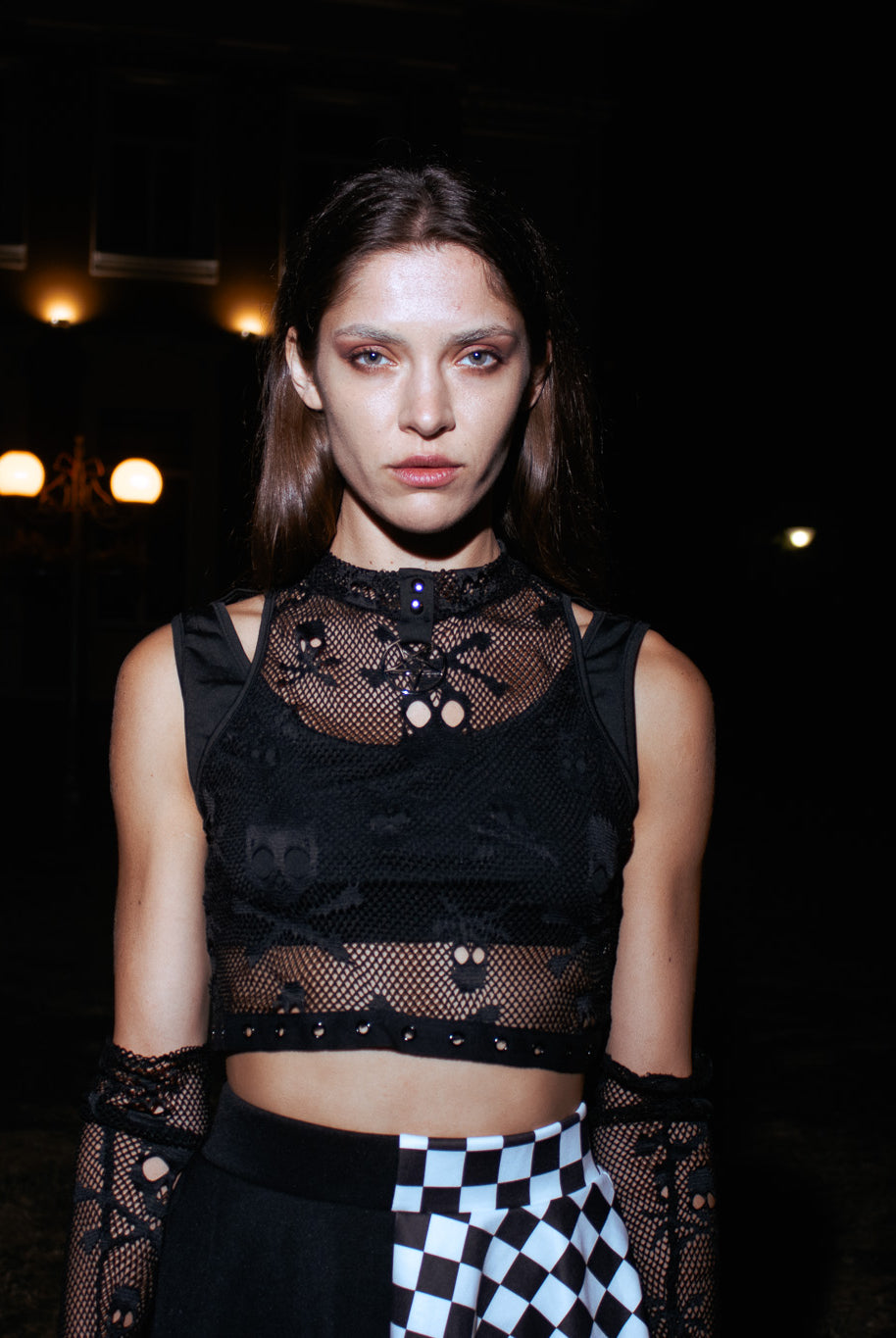
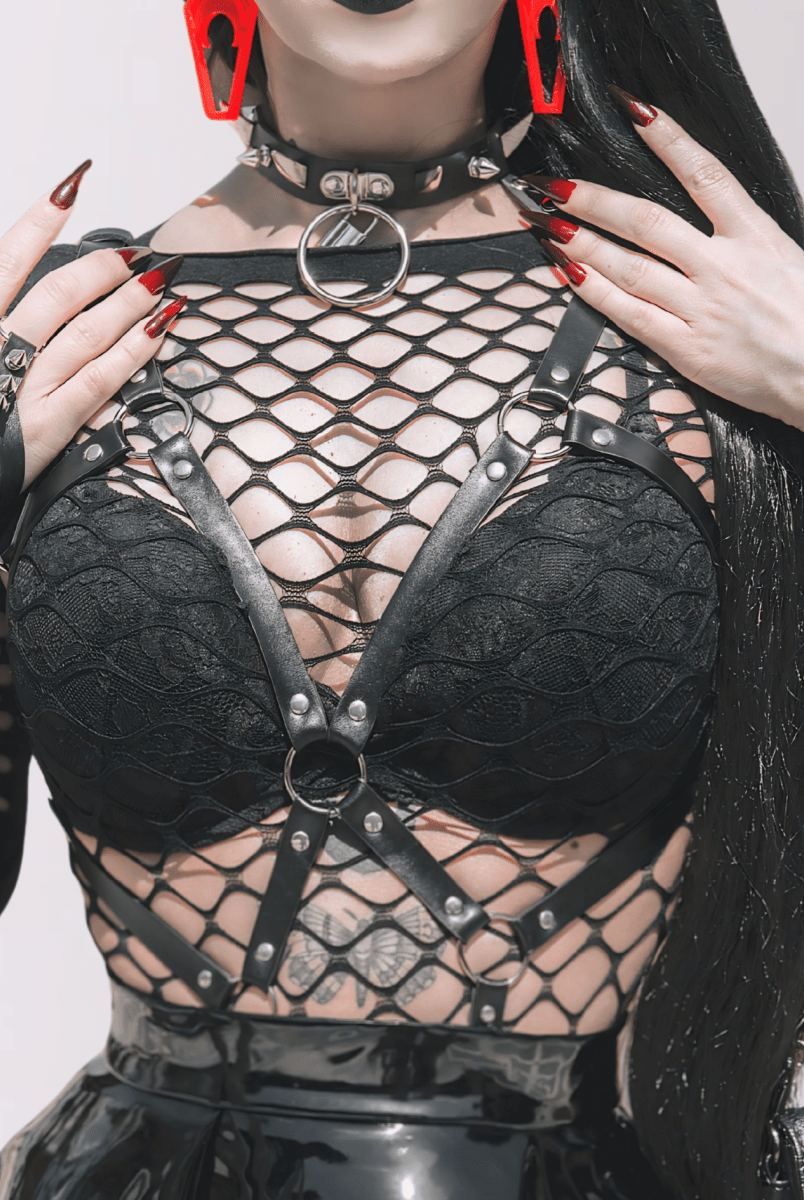
The look is black in several textures at once: a lace or mesh top, narrow black trousers or a floor-length black skirt, pointed or lace-up boots and backcombed hair. Our trad goth guide dates every reference and builds the outfit from lace, velvet and boots.
Deathrock
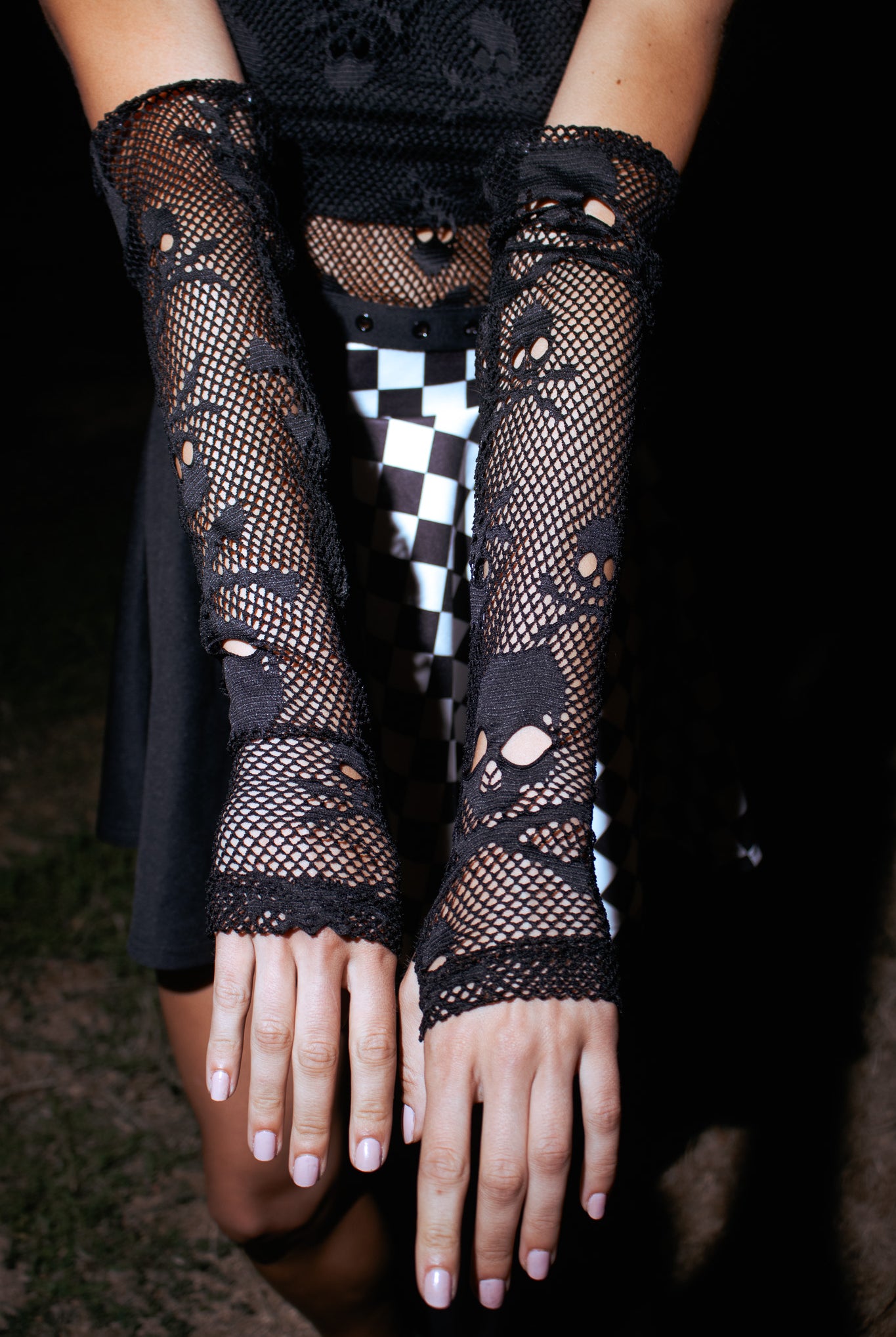
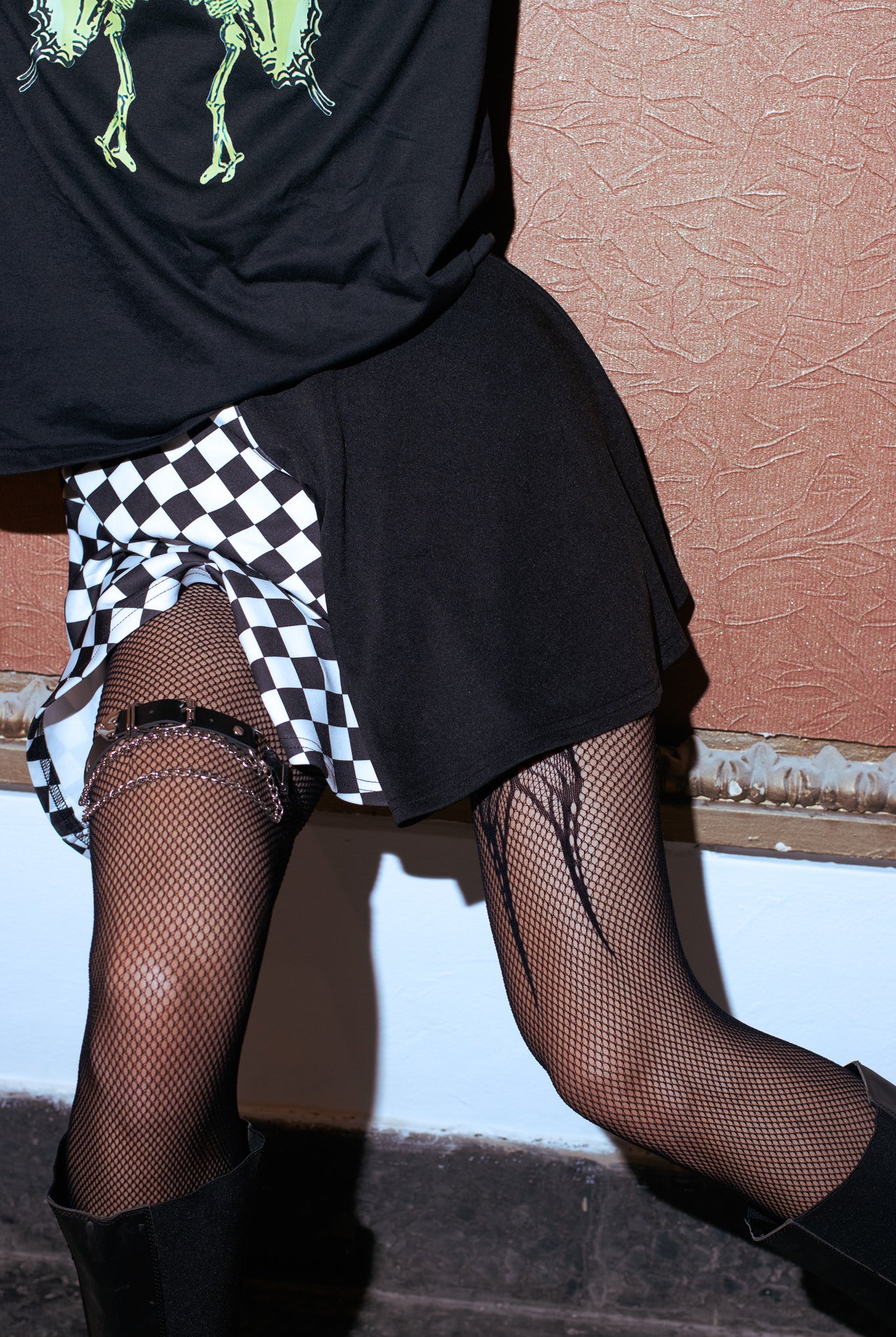
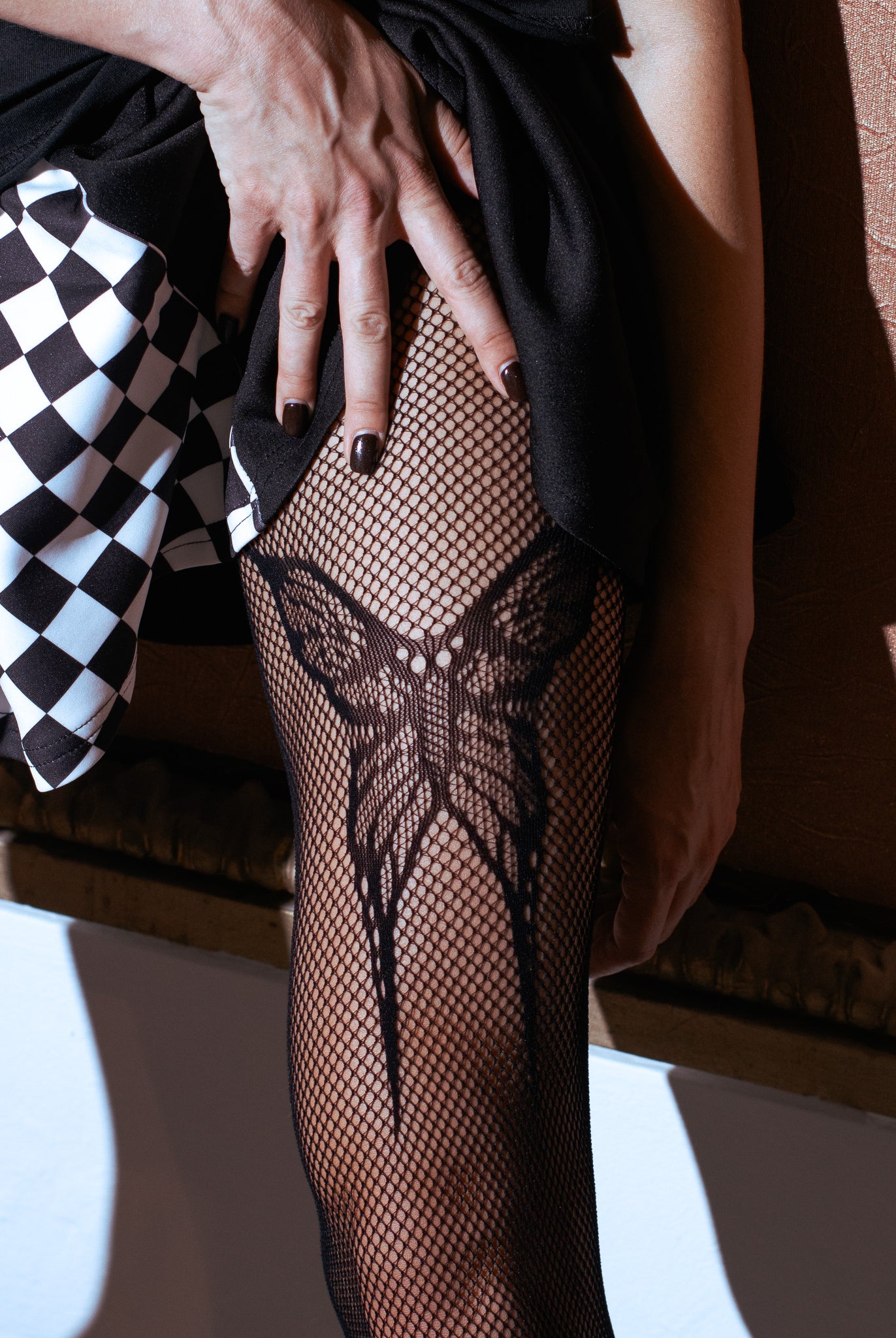
Deathrock is goth's Californian cousin, a branch of Los Angeles punk from the late 1970s and early 1980s, led by bands such as Christian Death, 45 Grave and Kommunity FK. It kept more punk in its clothes than the British scene did: a band or horror T-shirt, torn fishnet worn as a top, combat boots and a teased deathhawk. The scene declined quickly after the mid-1980s and was revived from the late 1990s. We do not stock the punk half of this wardrobe, so the deathrock section of our trad goth guide covers it as history.
Romantic goth
Romantic goth started as the softer side of that first scene. Wikipedia's account of the subculture describes the 1980s version, worn mostly by women, as frilled blouses, midi dresses and floral lace tights, taking its lead from Siouxsie and from singers on the 4AD label such as Elizabeth Fraser and Lisa Gerrard. Today it draws as much on gothic novels and Victorian mourning, and it means a lace blouse, a bias-cut slip and dark florals in black, oxblood and plum. For the full wardrobe, read our romantic goth guide; to shop it, go to the gothic romance collection.
Cybergoth
Cybergoth mixes goth with rave and industrial music. The name is older than the clothes: Games Workshop coined "cybergoth" in 1988 for its role-playing game Dark Future, and the style only appeared the following decade, at its height from the late 1990s through the 2000s. The look is black with one neon colour, synthetic hair falls, goggles worn on the forehead rather than over the eyes, and very tall platform boots. We stock nothing for it, and our 90s goth guide places it among the decade's other looks.
Mall goth
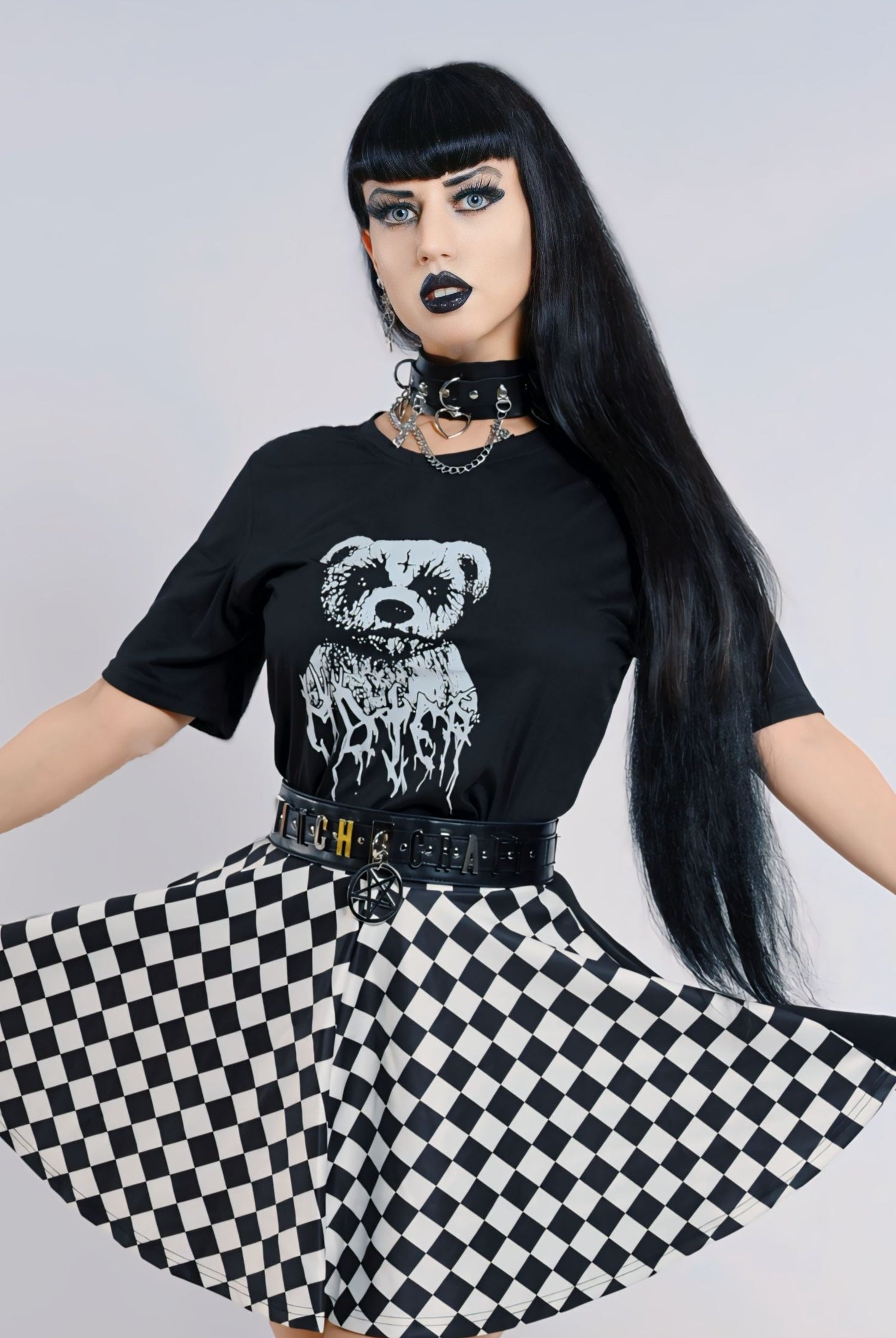
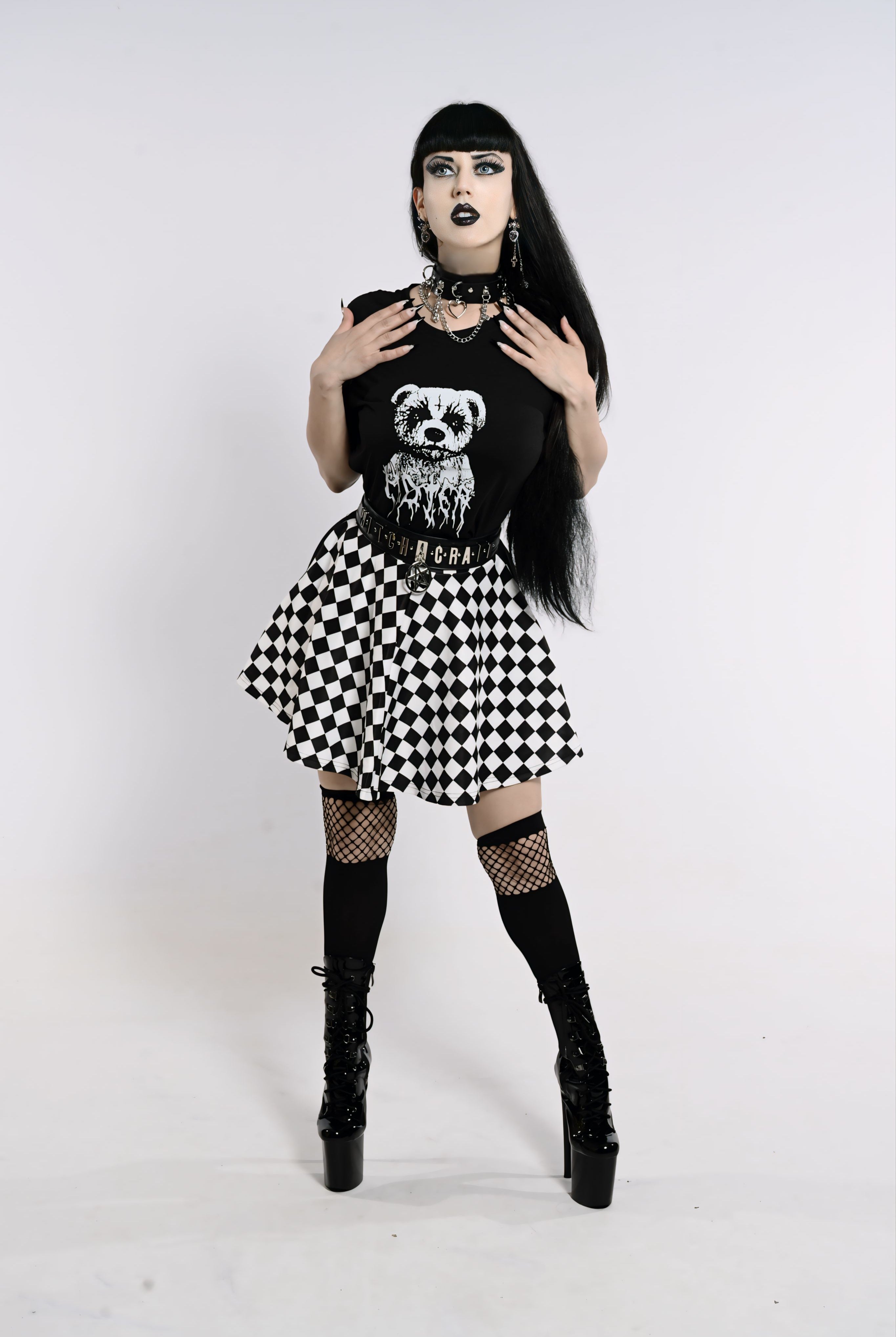
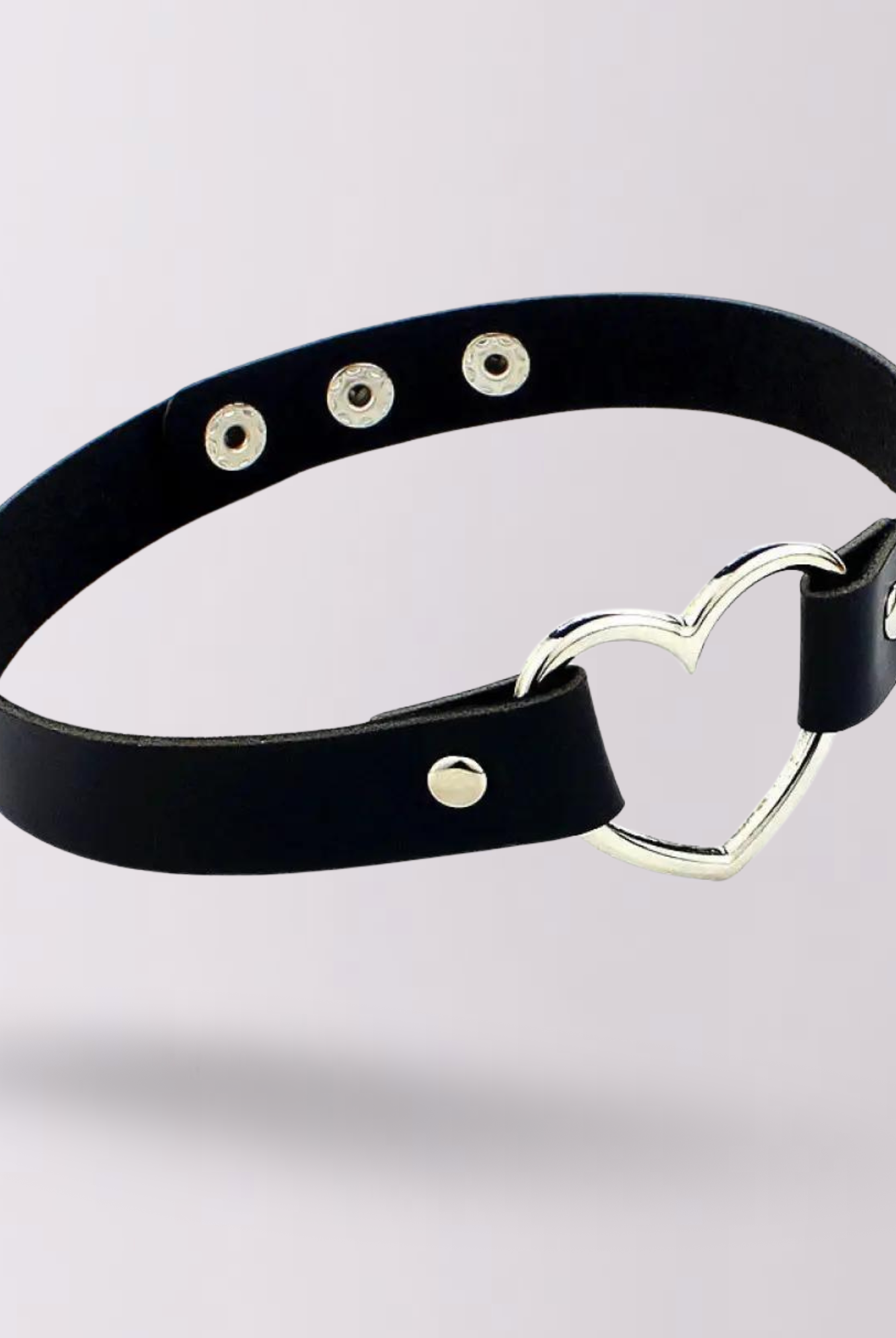
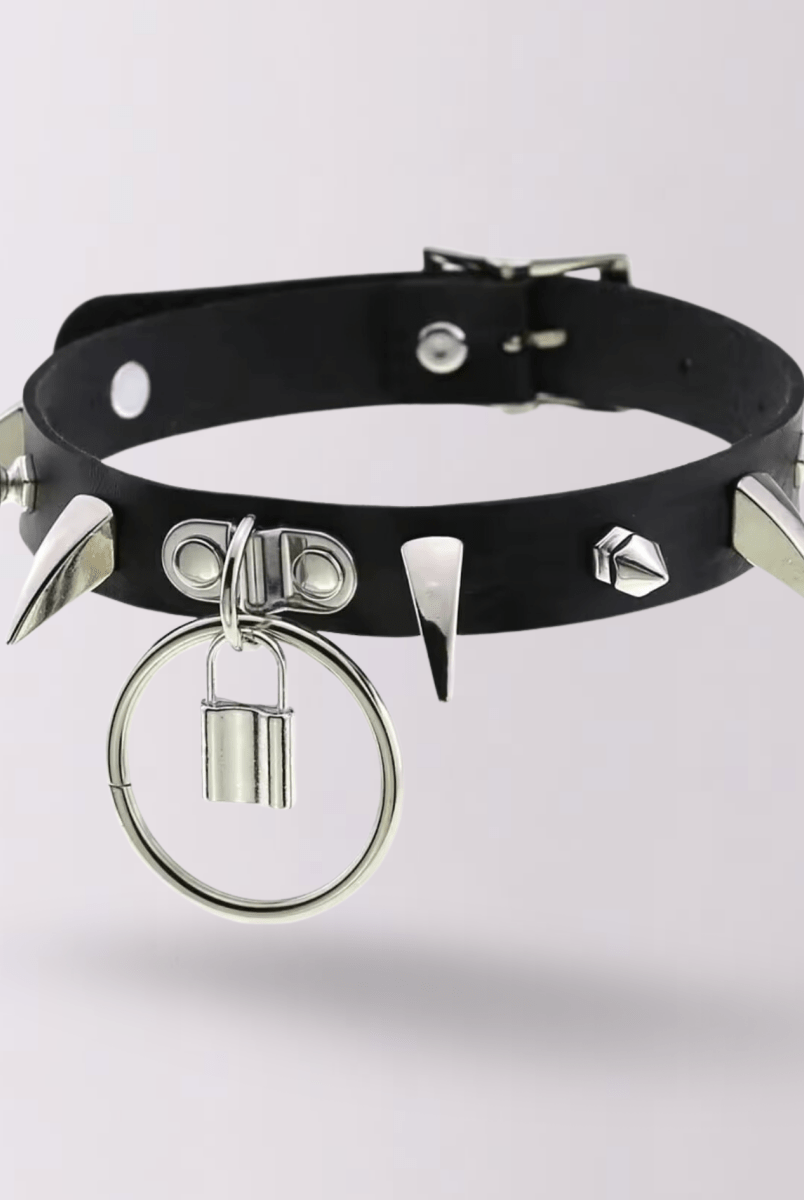
Mall goth began in the United States in the late 1990s, and the name started as an insult: a mall goth, to older goths, was someone who bought the clothes without caring about the music. The music it did care about was nu metal and industrial metal. Its uniform was oversized black trousers, platform boots, striped tights and a choker, and it found a new audience on TikTok in 2020. Our mall goth guide follows the look from the 2000s to how it is worn now, with three outfits from our shelves.
The goth styles drawn from books and films
These types have no club of their own. They take their clothes from a period, a monster or a film, and they are where most of our own wardrobe sits.
Victorian goth
Victorian goth borrows its outline from late nineteenth-century women's dress, closed at the throat and tight at the waist, with the skirt at or near the floor. It is a modern revival, and its early models were the settings of Edgar Allan Poe and the late-Victorian clothes of Bram Stoker's Dracula, and the writer Cintra Wilson has traced goth style as a whole back to the Victorian culture of mourning. In today's clothes, that means a blouse that buttons to the chin, a corset laced over it and a skirt that sweeps the ankle. Our Victorian goth outfit guide puts the outfit together piece by piece, our guide to Victorian mourning dress explains the real clothes it borrows from, and our corsets are the piece that does most of the work.
Vampire goth
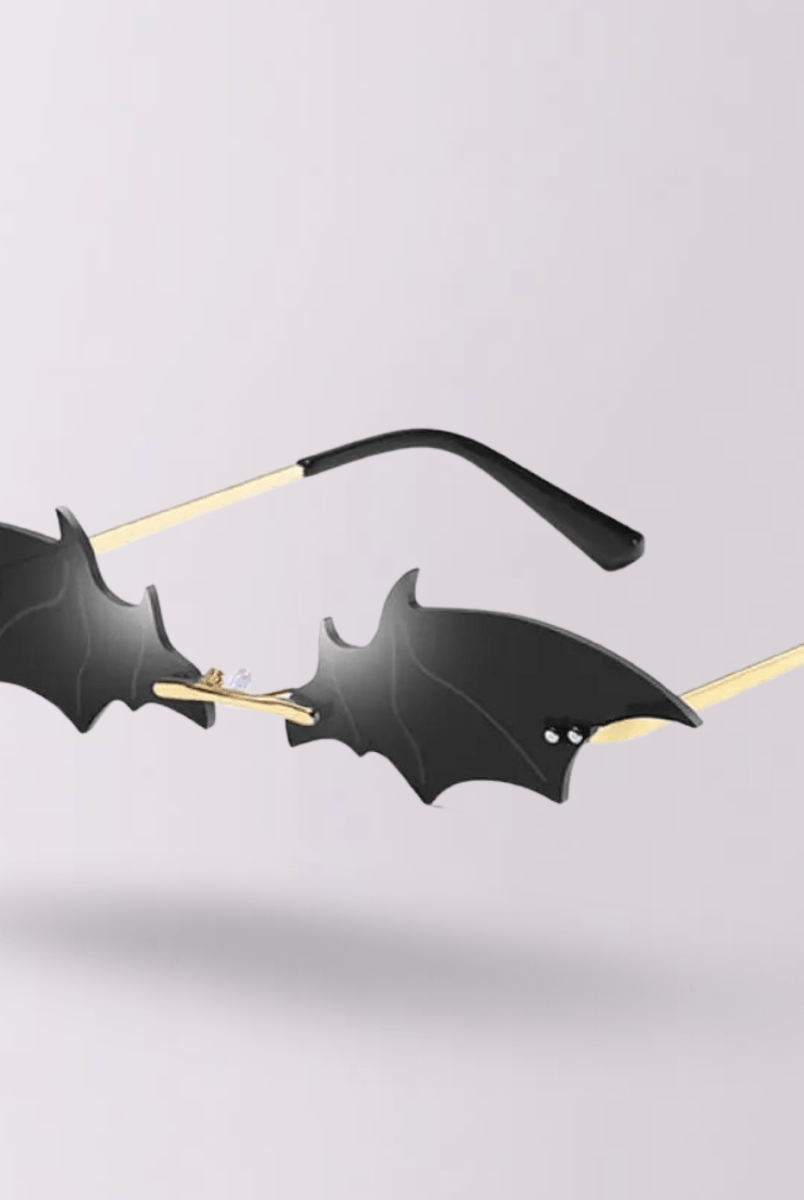
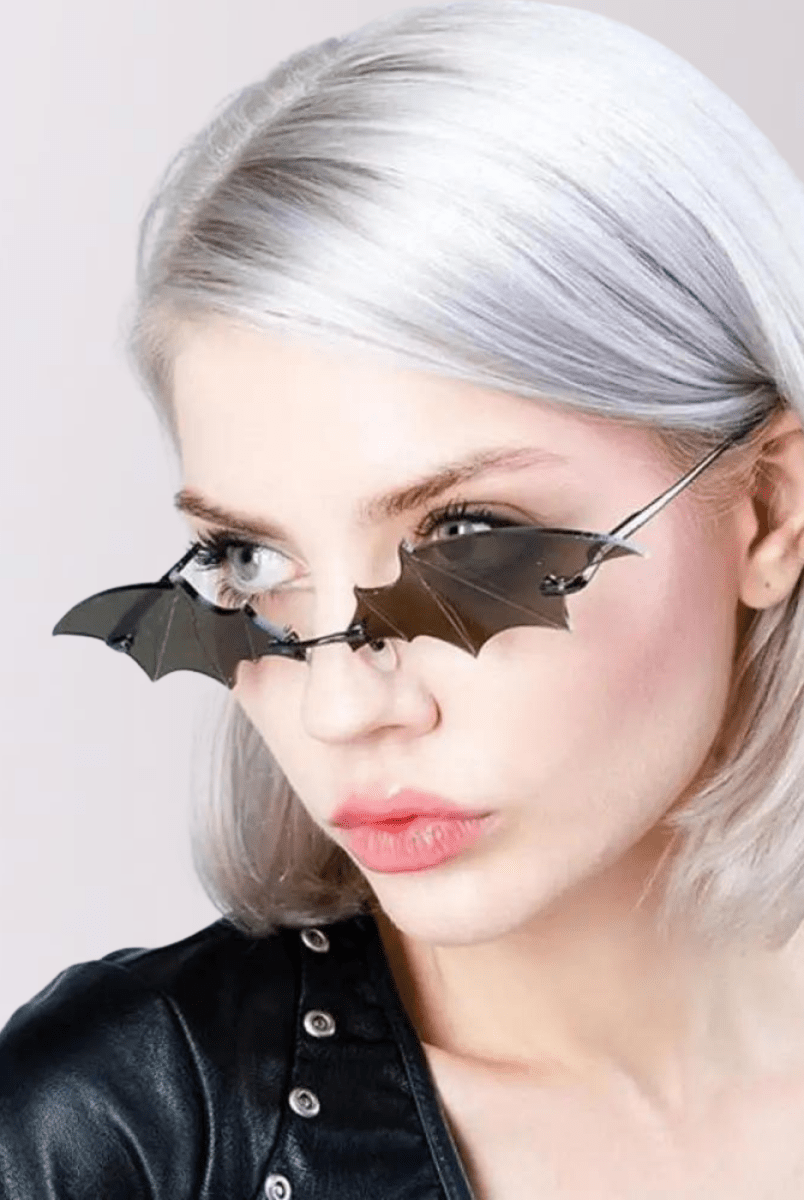
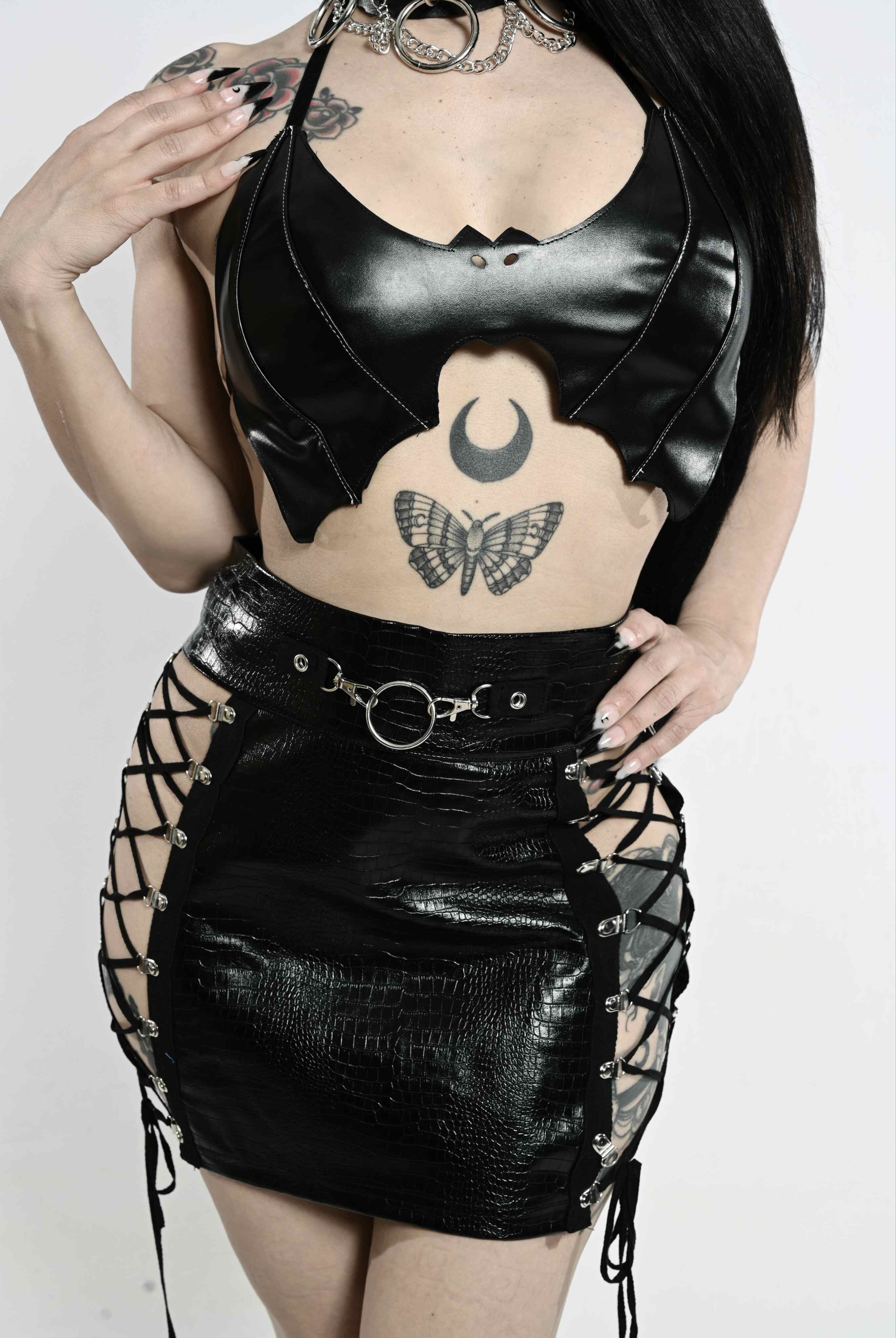
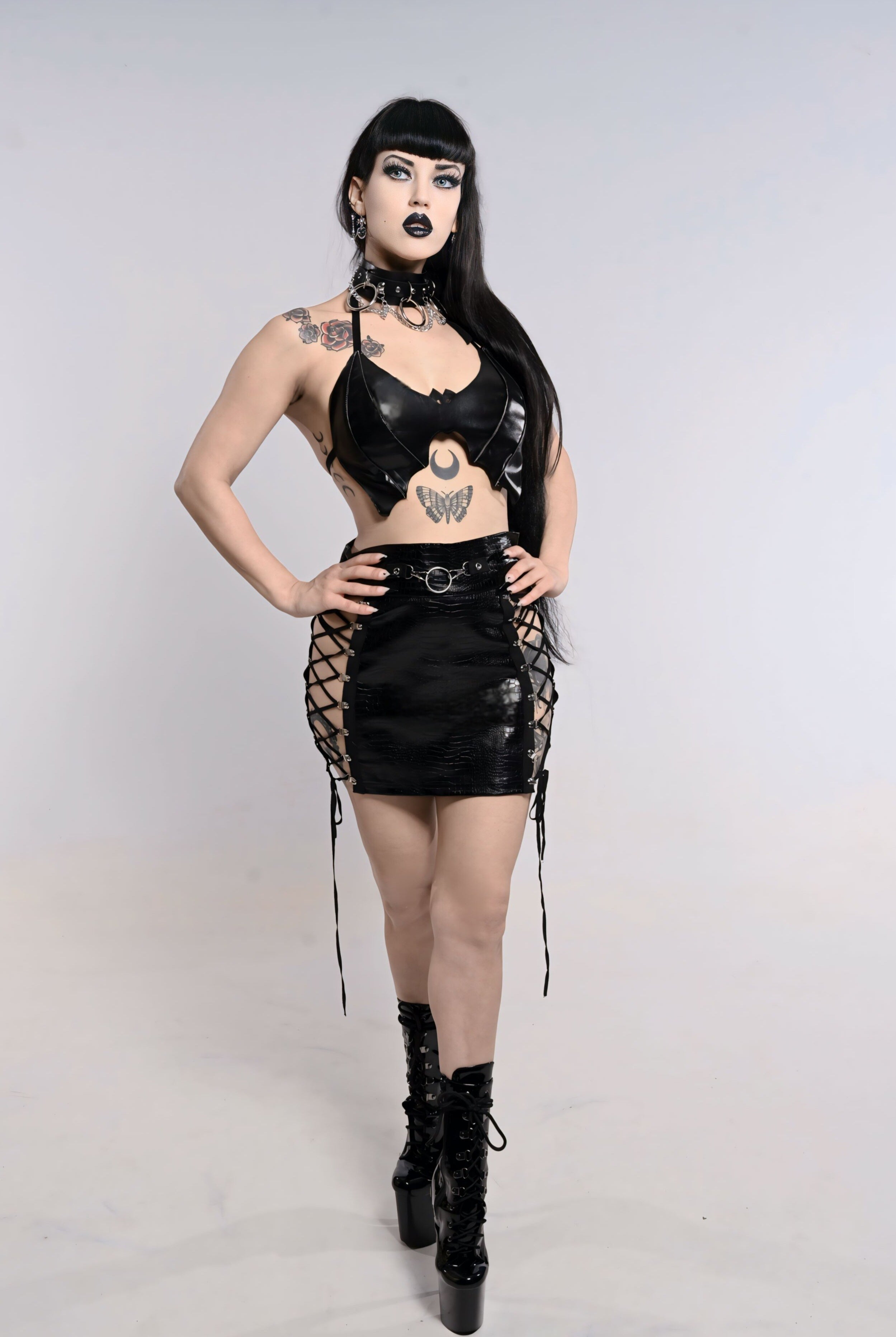
Goth has kept the vampire close from the beginning: rubber bats and cobwebs were part of the Batcave's decor, Anne Rice's vampire novels found many goth readers, and Poppy Z. Brite's Lost Souls (1992) took her re-imagined vampire further. In clothes it comes down to velvet, a laced-in waist and a single touch of red, at the lips or the throat. To wear it every day, start with our vampire aesthetic guide, then the corsets and long dresses in the Vamp Romantic collection.
Witchy goth
Witchy goth dresses like the witch of a 1990s film, The Craft (1996) above all, one of the films Wikipedia lists as drawing directly on goth music and style. The look is long and black, with something loose over it that moves, and an occult detail or two kept small. Our witchy outfit guide matches the number of details to the occasion, and our guide to occult clothing symbols explains what each sign means before you wear it.
The goth styles named online
From the 2010s, new goth styles were named on Tumblr, Instagram and TikTok rather than in clubs. They are ways of dressing first, and none of them asks you to like a particular band.
Pastel goth
Pastel goth is goth's symbols in sweet-shop colours: a bat or a cross in lilac, pink or mint, worn against black. It grew on Tumblr in the early 2010s. Know Your Meme even files "nu goth" and "soft grunge" as other names for it, which shows how loosely these labels travel. Start from a black base and bring in one pastel piece near the face, as our pastel goth guide shows.
Nu goth
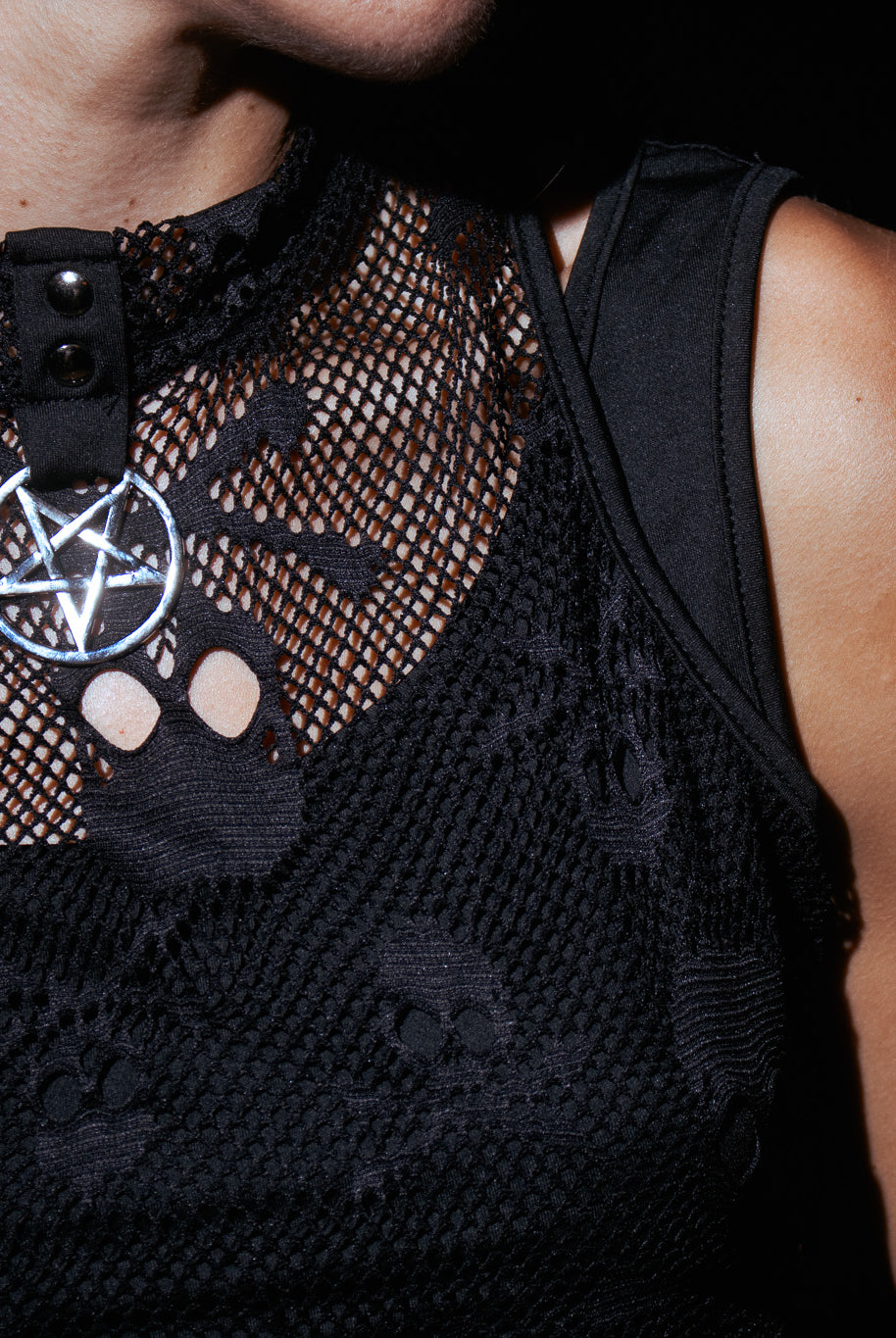
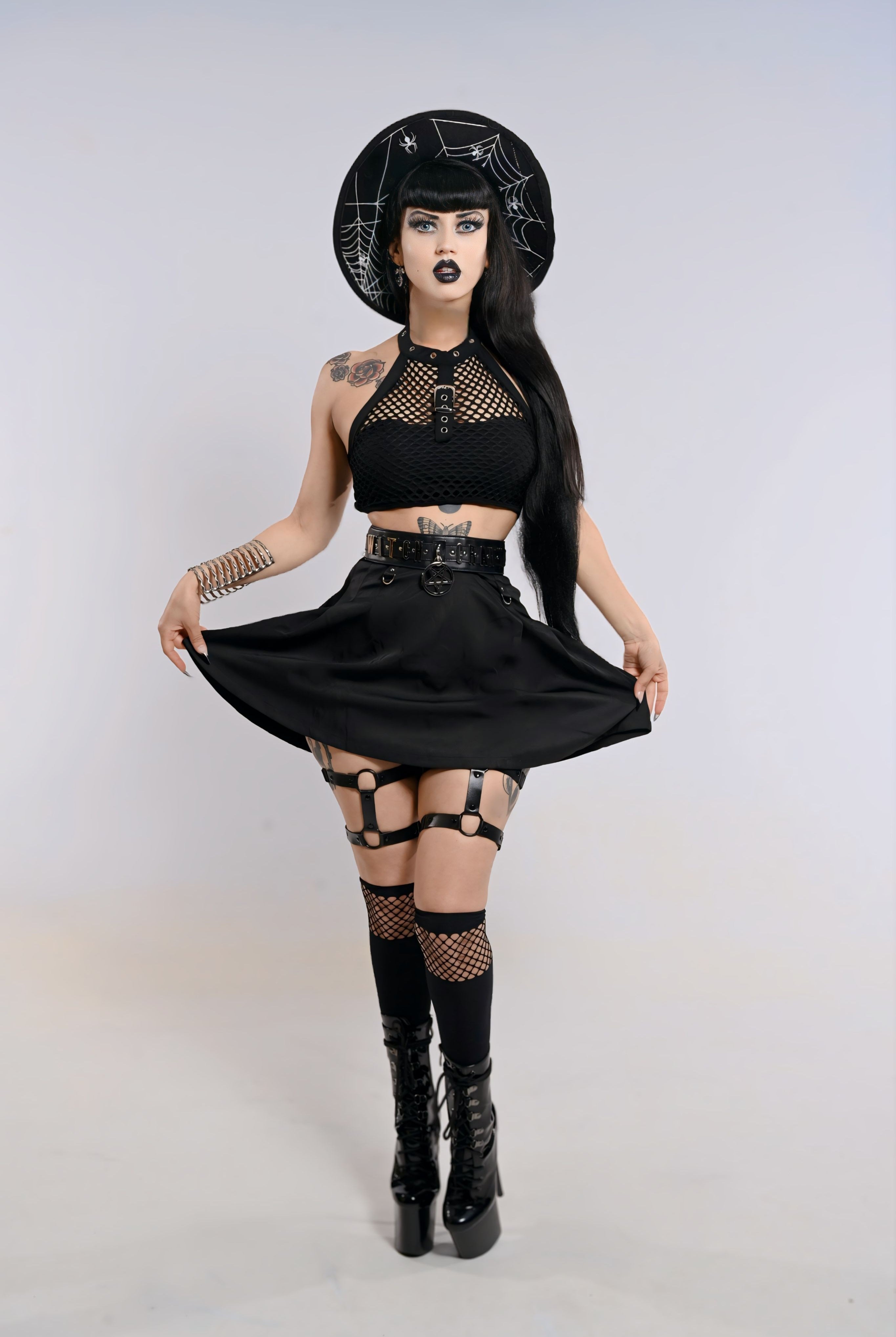
Nu goth is goth worn with 2010s streetwear. The Aesthetics Wiki describes it as a fashion trend of that decade, mixing traditional goth with streetwear and occult symbols, spread through Instagram rather than local club scenes. The look is loose black layers, a wide-brimmed hat and silver jewellery carrying a crescent moon or a pentagram. We have no nu goth guide, but the signs it borrows are explained in our guide to occult clothing symbols.
Dark academia
Dark academia is the scholar's version of the dark wardrobe: tweed blazers, turtlenecks, pleated or plaid skirts and Oxford shoes, in black, brown and dark green. It emerged on Tumblr in the mid-2010s and grew in the late 2010s and the pandemic years. It is a literary aesthetic more than a goth one, but the two share candlelight, old libraries and gothic novels. Its witchy side is where our dark academia guide spends most of its time.
Whimsigoth
Whimsigoth is the soft, celestial end of goth: velvet, sun and moon prints and long sleeves, with plum and gold allowed beside the black. The name was coined by Evan Collins, a co-founder of the Consumer Aesthetics Research Institute, first for home decor, and it moved to fashion once it reached TikTok. Its references are Stevie Nicks, Buffy the Vampire Slayer and Sabrina the Teenage Witch. Our whimsigoth brands guide covers who makes it well, whimsigoth vs gothic romance settles the most common mix-up, and our whimsigoth collection is where ours lives.
Soft goth
Soft goth is goth with the volume turned down: a black knit, a plain black midi or slip, soft lace, very little hardware and light make-up. It is a recent label for an everyday way of dressing rather than a scene with a history, and we found no source we trust for when the name began. Our soft goth guide builds three everyday outfits from it. If this is where you are heading, our goth style for beginners guide starts from the same plain black base.
Fairy grunge
Fairy grunge mixes woodland fairy imagery with grunge's worn-in layers. The Aesthetics Wiki dates it to the early 2020s and counts it among the aesthetics that began during the pandemic. The look is a distressed cardigan or knit over a floaty slip, fishnet or ripped tights, boots, and a palette of black, moss green and brown. Our Fae Garden collection holds the fairy half (woodland gowns, skirts and sleeves), so add the grunge layer from your own wardrobe. Our fairy grunge and fairy goth guide puts the two halves together.
Goth crossed with other wardrobes
Some types are goth worn with the clothes of another scene or another life. Two come from music, two from the way people dress for work and for the West.
Punk goth
Punk goth puts the punk back into goth, which is where it started: in February 1981 the music paper Sounds ran an article on "punk gothique", a term credited to Steve Abbott of the band UK Decay. The look is a black leather jacket, a band T-shirt, studs, ripped fishnet and heavy boots. We do not sell it, so it appears here as part of the subculture's history, and the shopping is best left to punk specialists.
Grunge goth
Grunge goth crosses goth's black with grunge's loose, thrift-shop layers, a style that came out of mid-1980s Seattle. Think an oversized black knit or flannel over a slip dress, laddered tights and combat boots. We have not found a source that dates the goth version. Our grunge goth guide shows how to wear it, with sizes as listed.
Corporate goth
Corporate goth is the version that gets through an office dress code: tailoring, a closed neckline and one piece that is quietly darker than anyone else's. A turtleneck, a black midi dress and plain boots make a whole outfit. A week of outfits is in our corporate goth guide, and the turtlenecks and midis sit in the corporate goth collection.
Gothic western
Gothic western puts goth's black on cowboy clothes: a wide-brimmed hat, a coat cut long for riding, boots with a heel. Johnny Cash's "Man in Black" of 1971 is one of the markers in its history. Which of those pieces we stock, and which you will need from elsewhere, is set out in our gothic western style guide.
Is emo a type of goth?
No, it has a family tree of its own. Emo was born in the hardcore punk scene of mid-1980s Washington, D.C., with bands such as Rites of Spring and Embrace. The two share black hair and eyeliner, and not much else. For the records, years and wardrobes side by side, read emo vs goth.
Two more names you will meet are cousins rather than branches. Gothic lolita began in Tokyo's Harajuku in the late 1990s and belongs to lolita fashion. Health goth, goth mixed with gym wear, took its name from a Facebook community started in 2013.
How to find your goth style
Start from what you already listen to, read and watch, then look at the clothes. If the records pull you, start with trad goth. If the books do, start with romantic, Victorian or vampire goth. If you came to it through a mood board, one of the online aesthetics will fit the wardrobe you want. To compare the pieces and colours of each look side by side, use our goth aesthetic chart.
Then keep it simple. Most goths dress from two or three of these types at once, and a plain black base serves all of them. Our goth style for beginners guide gives the five pieces to buy first, and for larger sizes, begin with our plus-size collection.
Frequently asked questions
What is goth?
Goth is a music-based subculture that took shape in British clubs in the early 1980s, around gothic rock, a sound that grew out of post-punk. A special issue of the NME in February 1983 called it "positive punk"; by 14 June that year, John Peel noted that the paper had moved on to "goth". Its clothes are mostly black, with dark make-up, drawing on punk, glam and Victorian dress.
How many types of goth are there?
There is no fixed number. Other lists count anywhere from 16 to 30, because new names keep arriving and nobody issues them. About twenty are in common use: the eighteen in the table above, plus gothic lolita and health goth.
What is the difference between goth and gothic?
Gothic is the older word. It names a style of medieval architecture and a kind of fiction, one of the first examples being Horace Walpole's The Castle of Otranto (1764). Goth is the subculture of the 1980s onward, which borrowed heavily from that fiction. Gothic clothing is a description; a goth is a person.
What styles are similar to goth?
Emo and punk sit closest from outside: both share goth's roots in punk music, but neither is goth. Dark academia is the nearest neighbour on the fashion side, sharing goth's old books, candlelight and dark palette while being a literary aesthetic first.
Can you be more than one type of goth?
Yes, and most people are. A romantic goth wardrobe and a witchy one share most of their pieces, and trad goth's boots go under almost anything on this page.